
The Power of an Anchor
In interior design, 'anchoring' refers to the practice of using a large visual element, like a rug, to unify a group of furniture. In an open-plan home or a large living room, furniture can sometimes feel like it's floating aimlessly. An area rug acts
as a foundation, visually connecting your sofa, armchairs, and coffee table into a cohesive and purposeful seating zone. This simple act tells your eyes where one area ends and another begins, bringing a sense of order and intention to the space. A generously sized rug can even create the illusion of more floor space by drawing the room together in a balanced way.
Getting the Size Just Right
The most common mistake when choosing a rug is selecting one that's too small. A rug that looks like a 'postage stamp' in the middle of your furniture will make the space feel disjointed. For a polished look, follow the 'front legs on' rule: the rug should be large enough for the front two legs of your sofa and any surrounding chairs to rest comfortably on it. This physically and visually connects the pieces. In larger rooms, you can opt to have all furniture legs sitting entirely on the rug. As a general guideline, ensure the rug extends at least 20-30 centimetres beyond the sides of your sofa and leaves a border of about 30-45 centimetres of bare floor around the room's perimeter. This 'breathing room' frames the space, much like a mat around a piece of art.
Embracing Plush for Comfort and Style
When the goal is to create a soft, welcoming environment, the texture of your rug is paramount. A plush, high-pile rug instantly adds a layer of warmth and luxury underfoot. Beyond just feeling good, this texture provides significant functional benefits. Thick, dense rugs are excellent at absorbing sound, reducing echo and noise from footsteps, which is especially useful on hardwood or tile floors. This added insulation also helps trap heat, making a room feel cozier and potentially reducing heating costs during colder months. The visual softness of a plush rug serves as the perfect starting point for a layered, multi-textured design scheme.
Layering Textures for a Cohesive Look
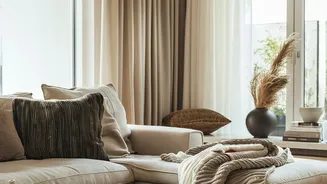
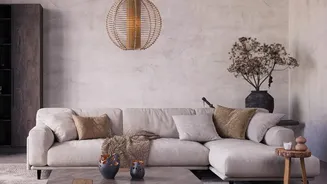
A plush rug is your textural foundation, but the magic happens when you layer other soft materials on top and around it. Think of your room in terms of tactile contrast. The deep pile of the rug can be complemented by a smooth leather armchair, a nubby bouclé throw pillow, or a chunky knit blanket draped over the sofa. Curtains in a soft, flowing fabric like linen or velvet can further enhance the room's cozy feel. The key is to mix a variety of textures—smooth, rough, woven, and plush—to create visual interest and depth. This interplay prevents the space from feeling flat and one-dimensional, instead creating an environment that feels rich, curated, and inviting to the touch.