





The Problem with Our Fibre Fixation
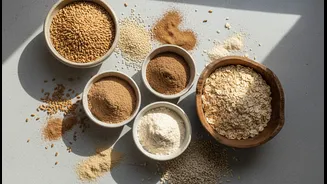
Fibre is, without a doubt, a nutritional hero. It aids digestion, promotes satiety, and helps manage blood sugar. This has led to a wellness culture obsessed with its intake, where we praise high-fibre flours and sprinkle seeds on everything. While the
intention is good, this narrow focus is a form of nutritional reductionism. Focusing on one nutrient ignores the complex synergy of whole foods. Our bodies don't run on isolated compounds; they thrive on the interactions between vitamins, minerals, fats, proteins, and thousands of plant-based chemicals working together. When we chase fibre alone, we risk overlooking other crucial elements that our gut and body need to function optimally, creating a diet that looks healthy on paper but lacks holistic nourishment.
Meet Your Microbiome: A Community to Feed
To understand why diversity matters, we need to talk about the gut microbiome—the trillions of bacteria and other microbes living in your intestines. Think of it as a complex internal garden. A healthy garden isn't just one type of plant; it's a vibrant ecosystem. Similarly, a healthy gut is marked by high microbial diversity. Low diversity is linked to a range of health issues, while high diversity is associated with a resilient immune system and better overall health. Fibre, especially from plants, acts as a prebiotic—it's the food for these beneficial microbes. However, different bacteria thrive on different types of plant fibres and compounds. A diet fixated on only a few sources of fibre is like feeding only one section of your garden, leaving the rest to wither.
Beyond Fibre: The Power of Polyphenols and Probiotics
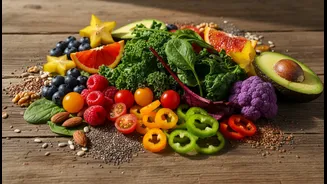
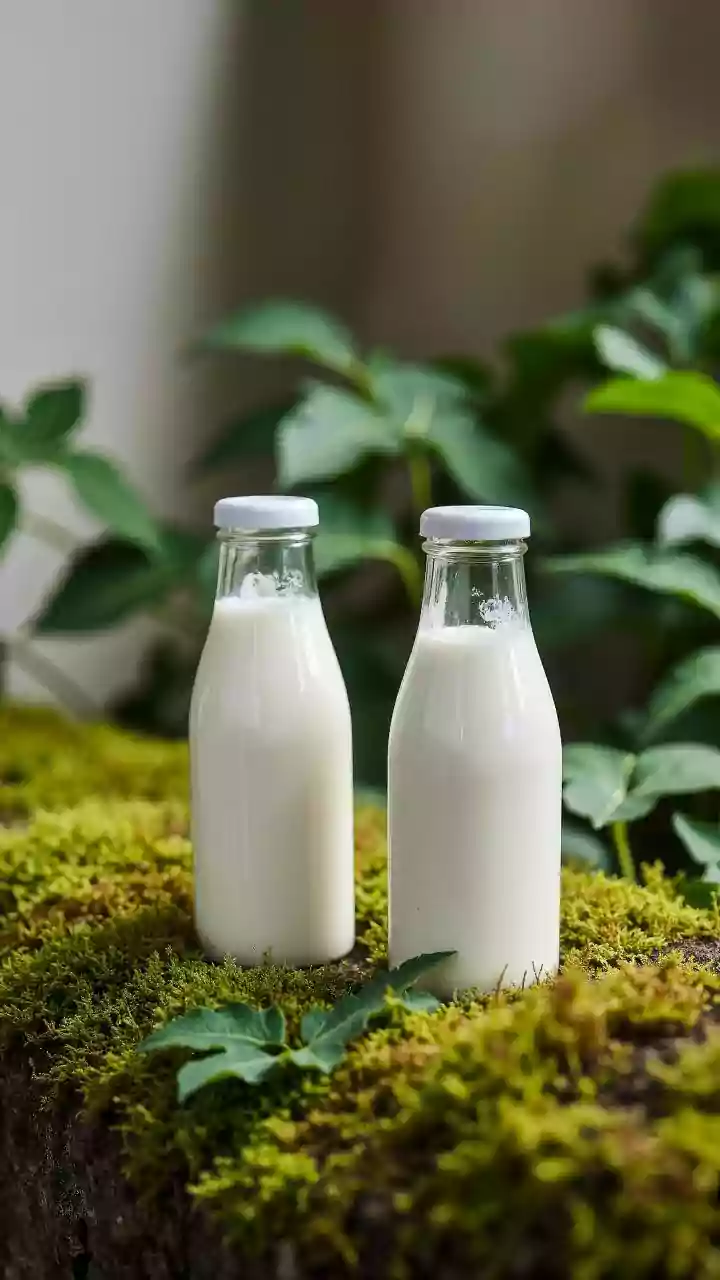
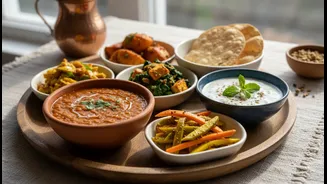
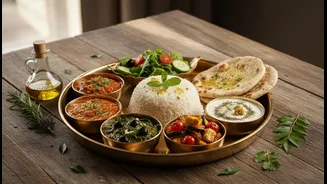
A truly healthy diet feeds the gut with more than just fibre. Polyphenols, the compounds that give fruits and vegetables their vibrant colours, are a crucial food source for beneficial bacteria. Indian staples like turmeric, amla, and even tea are rich in these compounds, which have been shown to increase beneficial bacteria like Bifidobacterium and Lactobacillus. Likewise, probiotics—the live beneficial bacteria themselves—are abundant in the traditional Indian diet. Fermented foods like homemade dahi (curd), chaas (buttermilk), pickles, and idli/dosa batter are natural sources that constantly replenish our gut community. The traditional Indian thali is a masterclass in this principle, naturally combining fibre-rich dals and vegetables (prebiotics) with dahi (probiotics) in one meal.
Building a Diverse Indian Thali
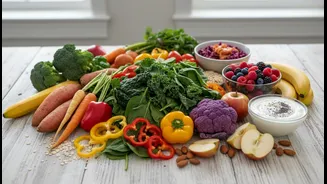
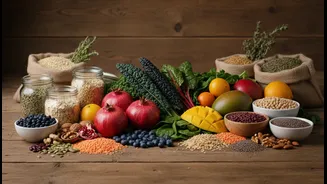
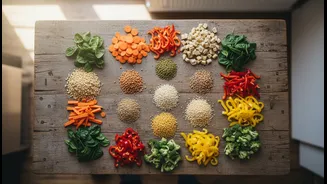
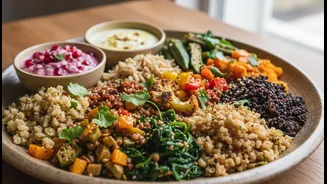
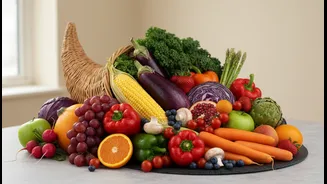
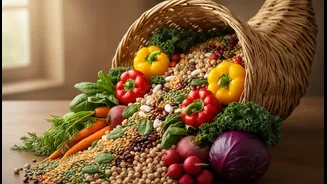
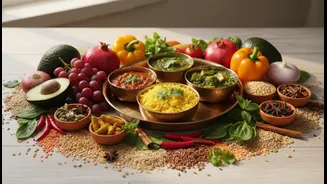
The good news is that achieving dietary diversity doesn't require exotic ingredients; it requires returning to the wisdom of the traditional Indian thali. A thali is inherently designed for balance, offering grains, proteins, vegetables, fats, and fermented foods in one sitting. The key is variety. Instead of eating the same dal and sabzi every day, aim to rotate them. One study found that people who ate 30 or more different types of plant foods per week had significantly more diverse gut microbes than those who ate 10 or fewer. This is easily achievable in an Indian context. Think of rotating seasonal vegetables like bhindi, lauki, and palak. Instead of just wheat and white rice, incorporate millets like ragi and jowar. Use a variety of dals, from moong and masoor to chana and rajma. Add a colourful salad, a serving of dahi, and use a range of spices—each one counts towards your diversity goal.