








What Are Gen Z Credit Cards?
Forget the stuffy, jargon-filled applications of the past. Credit cards aimed at Generation Z are a different breed. Often powered by fintech companies, they are digital-first, app-based, and designed to integrate seamlessly into a young person's life.
These cards often come with lower entry barriers, sometimes requiring no credit history at all. Features are tailored to a younger lifestyle, offering rewards on food delivery, online shopping, and subscription services rather than traditional travel points. Many also include tools like spending trackers, budgeting apps, and even gamified elements to encourage engagement and what they pitch as financial wellness.
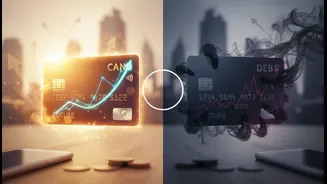
The Promise: Building Credit from Scratch
For decades, building a credit history was a catch-22: you needed credit to get a credit score, but you needed a score to get credit. Gen Z is entering the formal credit ecosystem earlier than previous generations, and these new cards are a key reason why. By using a starter card for small, regular purchases—like a monthly phone bill or subscription—and paying the balance in full each month, a young person can begin building a positive payment history. Since payment history is a major component of a credit score, this is a significant advantage. A strong score is essential for securing bigger loans later in life, such as for a car, a home, or a business, on favorable terms.
The 'Early Normalisation' Gap
The term 'early-credit normalisation' refers to the traditional ways young people used to get a foothold in the credit world. This often meant being added as an 'authorized user' on a parent's credit card, inheriting the benefits of their long, positive credit history. However, as family structures and financial habits change, this is less common. Many Gen Z borrowers are now the first in their families to engage with formal credit in a digital-first way. These new cards are stepping into that void, offering a direct path to credit ownership without relying on a family member's account. This provides autonomy but also removes a traditional safety net.
The Peril: A Digital Debt Spiral
The very features that make these cards appealing also make them risky. The seamless, almost invisible nature of app-based payments and 'Buy Now, Pay Later' (BNPL) options can encourage impulsive spending and disconnect the user from the reality of their debt. For inexperienced borrowers, the temptation to spend beyond their means is high, especially when credit is used for lifestyle purchases rather than assets. The interest rates on these cards can be punishingly high if the balance isn't paid in full, turning small purchases into significant, long-term debt. A few missed payments can quickly devastate a new credit score, making it harder and more expensive to borrow in the future.
Financial Literacy is the Deciding Factor
Ultimately, the credit card is just a tool; its impact depends entirely on the user. While many Gen Z consumers are more aware of financial concepts thanks to social media and fintech apps, studies show there are still significant gaps in understanding fundamental concepts like compound interest and credit utilization. The key is discipline. Experts advise treating a credit card like a debit card—only spending what you can afford to pay off immediately. Keeping the credit utilization ratio—the percentage of your available credit that you use—below 30% is crucial for a healthy score. With delinquencies among young borrowers on the rise, the need for genuine financial education, not just app-based 'insights', is more critical than ever.