





It All Starts With The Right Soil
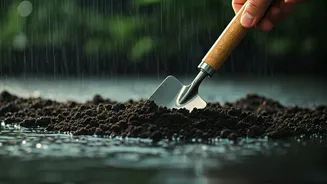
The foundation of a healthy plant, especially during the relentless Indian monsoon, is the soil it lives in. Continuous rain and high humidity create a challenging environment for potted plants. Garden soil, which might be perfect for open ground, becomes
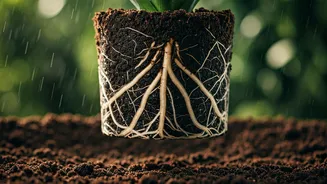
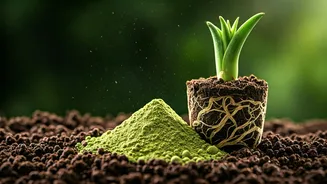
dense and compacted in a pot. This heavy soil retains excessive water, cutting off the oxygen supply to the roots and creating a perfect breeding ground for disaster. To counter this, your potting mix needs to be light, airy, and, most importantly, well-draining. The ideal monsoon soil mix should be less about heavy soil and more about components that create air pockets. A fantastic all-purpose recipe is a blend of cocopeat, compost, and a drainage-improving agent like perlite or coarse river sand. For the rainy season, it's wise to increase the proportion of sand or perlite to about 30% of the total mix. This ensures that even after a heavy downpour, excess water flows through quickly, allowing the roots to breathe.
Rethink Your Drainage System
Even the best soil mix is useless without proper drainage. Before the season starts, conduct a pot audit. Every single pot must have at least one, preferably multiple, drainage holes at the bottom. These are non-negotiable. If you have decorative planters without holes, use them as cachepots—place a smaller pot with drainage inside the decorative one, ensuring you empty the outer pot of any collected water. A common mistake is to let pots sit in water-filled saucers; this is an open invitation for roots to rot as the soil reabsorbs the stagnant water. Make it a habit to empty these trays within 30 minutes of watering or rain. Furthermore, elevating your pots slightly off the ground using pot feet, bricks, or a simple stand can dramatically improve drainage and airflow, preventing the base from becoming waterlogged.
An Ode to Healthy Roots
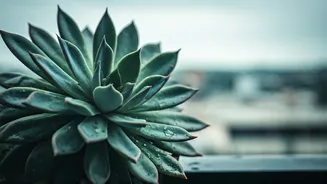
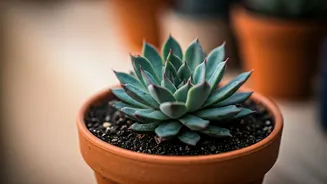
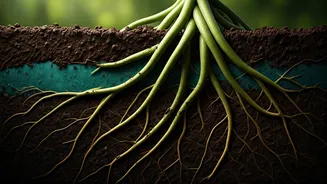
Root rot is the silent killer of the monsoon garden. It's a fungal disease that thrives in waterlogged, oxygen-deprived soil. The irony is that a plant suffering from root rot often looks like it's thirsty—it wilts, and its leaves turn yellow and drop. This might tempt you to water it more, which only worsens the problem. The constant moisture during the monsoon makes roots weak and susceptible. To protect them, adjust your watering schedule drastically. With high humidity and frequent rain, your plants need much less manual watering. Always check the soil first; a good rule is to stick your finger about two inches deep. If it feels moist, do not water. Be especially cautious with succulents and cacti, which are highly prone to decay in wet conditions and may need to be moved to a sheltered, sunnier spot.
A Dash of Prevention
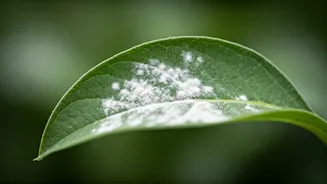
The damp, humid conditions of the monsoon are an ideal breeding ground for fungal and bacterial diseases. Prevention is far more effective than trying to cure an established infection. Regularly inspect your plants for early warning signs like leaf spots, white powdery mildew, or soft stems. Improving air circulation is a key preventative measure; avoid overcrowding your plants and consider pruning some lower leaves or dense foliage to let air flow freely. Incorporating a preventative fungicide into your routine can be very effective. Neem oil spray is a great organic option that can be used on both the leaves and soil. For added protection in the soil itself, mixing in some neem cake powder at the start of the season can help suppress harmful fungi and nematodes that thrive in the wet earth.
Adjust Feeding and Support
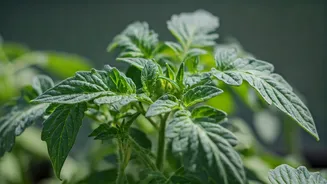
While it may seem like a growth-heavy season, the monsoon is not the time for aggressive fertilizing. Heavy rains can wash away nutrients, but applying fertilizer to already-stressed, waterlogged roots can cause root burn. It's best to reduce the frequency of feeding or switch to a slow-release organic fertilizer like vermicompost. Pay attention to the physical structure of your plants as well. Strong winds and the weight of rainwater can damage delicate stems and new growth. Provide support for tall or climbing plants by installing sturdy stakes or trellises before the heavy weather hits. Securing them gently with soft ties will prevent them from breaking during monsoon storms.