



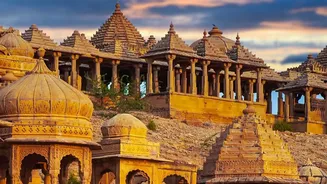
The Green Revolution in the Desert State
For years, the monsoon season from July to September was considered the off-season in Rajasthan. Tourists typically flocked during the cooler, drier winter months. However, recent trends show a significant shift. Travellers are increasingly discovering
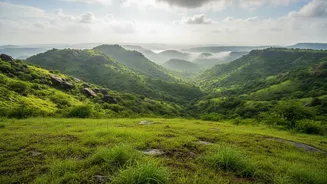
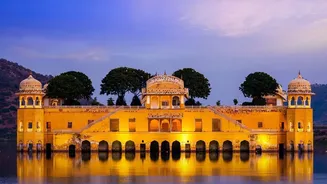
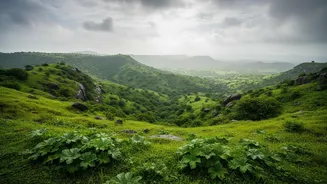
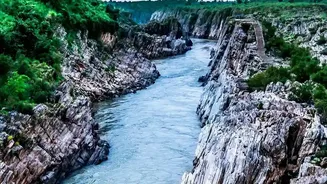
the state's best-kept secret: a dramatic transformation where the arid landscape turns into a vibrant, emerald paradise. This growing popularity, described by travel experts as "green tourism," means the traditional quiet season is getting busier. The cooler temperatures, which drop from scorching summer highs to a more pleasant 25-35°C, make sightseeing far more comfortable. This surge in domestic tourism, especially, means that those seeking the unique beauty of a rain-washed Rajasthan can no longer just show up and expect empty heritage sites and discounted rooms.
Monsoon Hotspots Beyond the Usual
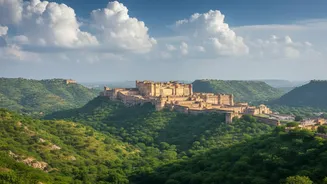
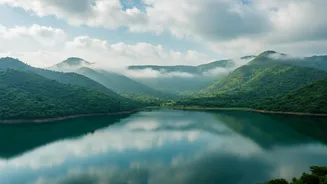
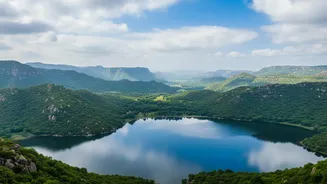
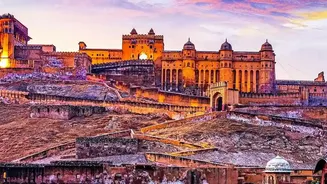
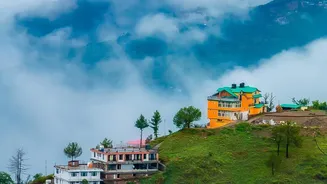
While cities like Jaipur and Jodhpur are enjoyable with fewer crowds, the true magic of the monsoon lies in the Aravalli belt. Udaipur, the 'City of Lakes', becomes the crown jewel of this season. Its lakes, like Pichola and Fateh Sagar, fill to the brim, offering breathtaking views against a backdrop of green hills. The Sajjangarh Palace, aptly named the Monsoon Palace, provides panoramic views of the mist-covered city. Beyond Udaipur, destinations like Mount Abu, Rajasthan's only hill station, come alive with gushing waterfalls and a cool, misty atmosphere. Kumbhalgarh Fort, with its massive wall winding through lush green hills, and the fairytale town of Bundi are also seeing a rise in visitors seeking this unique seasonal charm.
A Smart Traveller's Monsoon Checklist
The increase in travellers makes planning essential. While Rajasthan doesn't typically experience the relentless downpours of other regions, showers can be intense and require preparation. First, book accommodation well in advance, especially for popular destinations like Udaipur and Mount Abu and during long weekends. Packing requires a different approach than for a winter trip. Include lightweight, quick-drying clothes, a reliable raincoat or umbrella, and sturdy waterproof footwear suitable for walking on wet, ancient stone paths. Given the lush greenery, carrying a good quality mosquito repellent is a must for evenings and visits to forested areas. While major roads are generally well-maintained, it's wise to keep your itinerary flexible. A sudden shower could be the perfect excuse to duck into a local cafe for traditional chai and onion kachoris.
Navigating Activities and Sightseeing
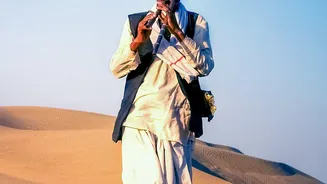
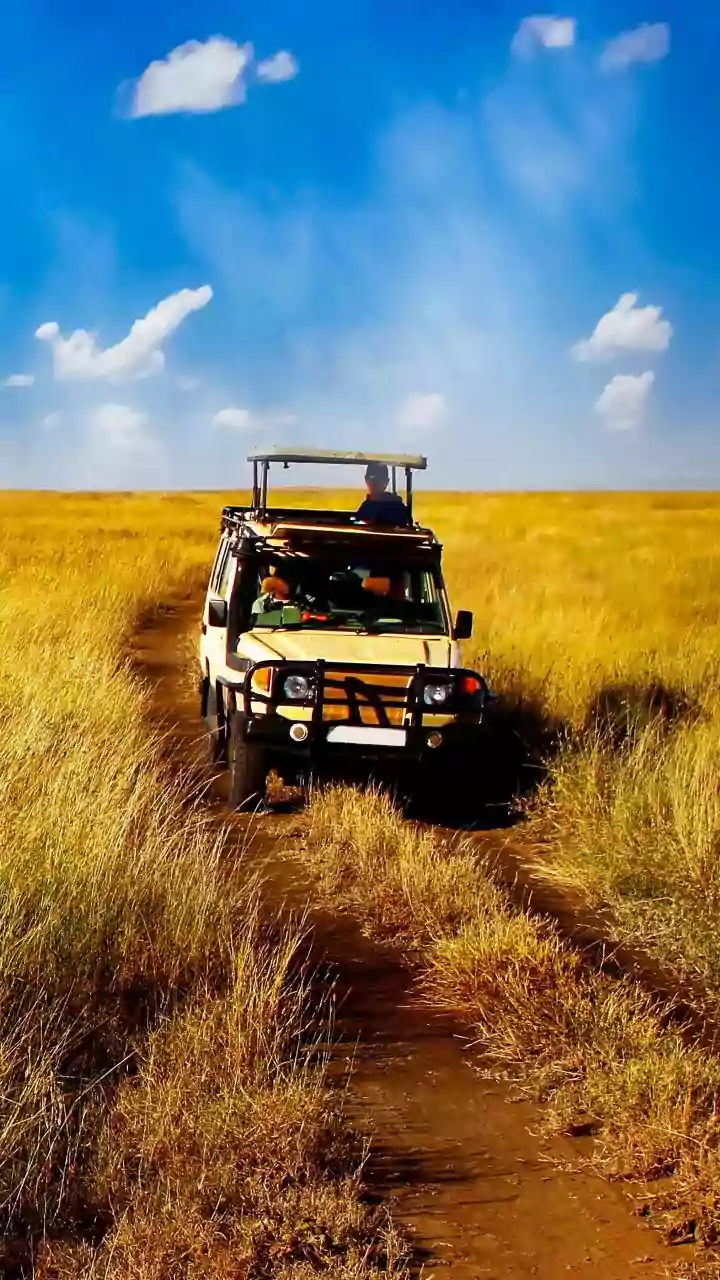
A rainy day doesn't mean a wasted day. Many of Rajasthan's attractions are indoors, including its magnificent palace museums, art galleries, and the vibrant covered markets in Jaipur and Jodhpur. This season also offers better conditions for photography, with dramatic, moody skies and washed-clean monuments creating stunning images. However, some activities may be affected. While desert safaris in Jaisalmer, which receives minimal rainfall, generally continue, it's a different story for wildlife sanctuaries. Many national parks, like Ranthambore and Sariska, may be partially closed or have limited access due to slushy trails. Always check the status of national parks and wildlife sanctuaries before planning a visit during this period.