


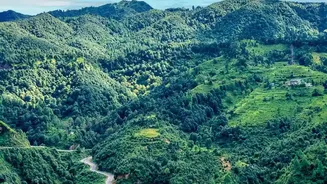

Munnar, Kerala: A Symphony in Green
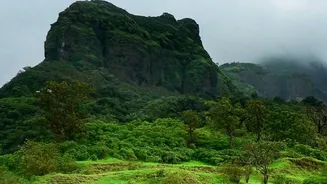
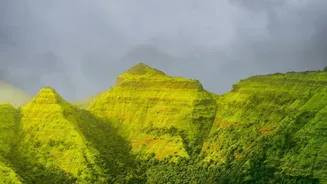
If you want to see the colour green in a thousand different shades, visit Munnar after the rains. The sprawling tea plantations, which carpet the rolling hills of the Western Ghats, turn a brilliant, almost electric, emerald. The air is crisp, cool, and carries
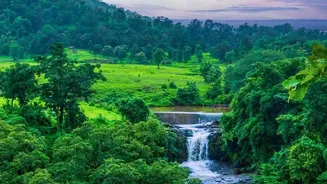
the scent of wet earth and tea leaves. Low-hanging mist drifts through the valleys, often creating a dreamy, moody atmosphere that photographers and nature lovers adore. The monsoon season rejuvenates the region's waterfalls, which remain full and impressive well into September and October. This is a quieter, more serene time to visit, with thinner crowds and a chance to experience the famous hill station in its most peaceful state. Key attractions like the Tea Museum, Mattupetty Dam, and Top Station are accessible and offer stunning views of the refreshed landscape.
Coorg, Karnataka: Coffee, Mist, and Waterfalls
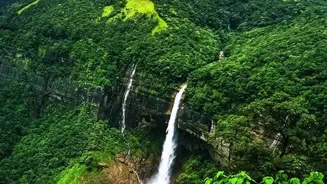
Known as the Scotland of India, Coorg (Kodagu) becomes exceptionally beautiful after the monsoon. The region’s famed coffee and spice plantations are dense and lush, and the aroma of wet coffee leaves and pepper vines fills the air. The season’s biggest draw is the waterfalls, which are at their roaring best. Abbey Falls, surrounded by coffee estates, is a spectacular sight, while Iruppu Falls and Mallalli Falls also offer dramatic cascades set against vibrant green forests. The post-monsoon period, from September onwards, is ideal for exploring Coorg's winding roads, with mist often wrapping the hills and creating picture-perfect driving conditions. It's the perfect time for those looking to enjoy nature walks, visit scenic viewpoints like Raja's Seat, and experience the wild, living rainforest feel of the region before the winter crowds arrive.
Kaas Plateau, Maharashtra: A Carpet of Wildflowers
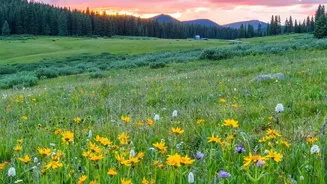
A UNESCO World Natural Heritage site, the Kaas Plateau (or Kaas Pathar) is a biodiversity hotspot that puts on a spectacular, short-lived show after the monsoon. Located near Satara, this lateritic plateau transforms into a vibrant carpet of over 850 species of flowering plants. The blooming season typically starts in late August and peaks in September, making it a prime post-monsoon destination. The landscape is dotted with tiny, colourful flowers, including rare orchids and insectivorous plants, creating a breathtaking natural mosaic. To protect its delicate ecosystem, the number of daily visitors is restricted, so booking a slot online in advance is essential. The nearby Kaas Lake, surrounded by its own lush greenery, adds to the tranquil beauty of the area.
Ziro Valley, Arunachal Pradesh: Golden Fields and Tribal Culture
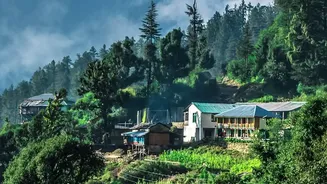
For a truly offbeat post-monsoon escape, Ziro Valley offers a unique blend of natural beauty and cultural richness. Home to the Apatani tribe, the valley is famous for its sustainable paddy-cum-fish cultivation system. During the monsoon, these fields are a vibrant green, but the post-monsoon months of September and October are arguably the best time to visit. The weather is pleasant, the skies are clear, and the valley prepares for harvest, with the paddy fields slowly turning a stunning golden hue. This period often coincides with the famous Ziro Music Festival, an outdoor event that draws music lovers from all over. Even without the festival, the valley’s pine-clad hills, traditional bamboo houses, and serene atmosphere make it an unforgettable destination for those seeking peace and cultural immersion.