


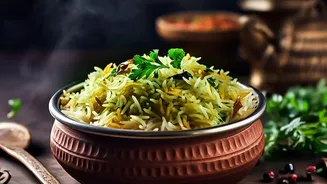
The Foundation of Flavour
In the world of Indian cooking, flavour is not just an outcome; it's the entire point. The culinary tradition is built on creating a harmonious balance of tastes and aromas. Garlic and coriander are not seen as health supplements added to a dish, but
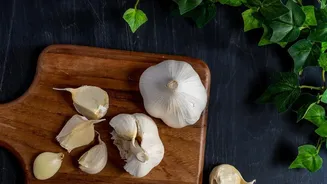
as fundamental building blocks of flavour itself. Garlic, often combined with ginger and onions, forms the 'holy trinity' for the base of countless curries, gravies, and marinades. Its pungent, savoury character is essential for creating the depth that defines dishes like dal tadka or chicken tikka masala. Sautéing it releases aromatic oils that infuse the entire meal. The focus is on what it does to the dish's taste profile, a role far more important than its isolated nutritional statistics.
The Art of the Tadka
A key technique that highlights this philosophy is the 'tadka' or tempering. This is where spices, including garlic and coriander seeds, are briefly fried in hot ghee or oil to unlock their essential oils and deepest flavours before being added to a dish. This process is a masterclass in using ingredients for their aromatic application. The sizzle of garlic in hot oil is a familiar and comforting sound in Indian households, a signal that a meal is being infused with its signature character. The tadka can be the first step in building a flavour base or the final flourish poured over a finished lentil or vegetable dish, instantly transforming it with a burst of aroma and taste.
Coriander's Dual Personality
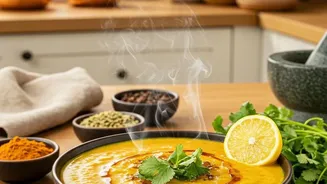
Coriander is a prime example of an ingredient valued for its versatile culinary applications. It's considered both an herb and a spice in the Indian kitchen, with both its leaves (dhaniya) and seeds playing distinct roles. The seeds, often roasted and ground, provide a warm, nutty, and slightly citrusy flavour, forming a cornerstone of spice blends like garam masala and sambar powder. The fresh leaves, on the other hand, are used as a vibrant garnish, adding a fresh, cooling, and aromatic final touch that brightens everything from curries to chutneys. This dual utility is all about taste, texture, and aroma—not about a health checklist.
An Integrated Approach to Wellness
This isn't to say that the health benefits of garlic and coriander are ignored; rather, they are understood in a more holistic context rooted in traditions like Ayurveda. In Ayurveda, food is medicine, and ingredients are chosen for their properties to balance the body. Garlic, known as 'Lasuna' (destroyer of diseases), is recognised for its heating, pungent qualities that can aid digestion and circulation. Coriander is known for its cooling properties, often used to balance heat and support the digestive fire, or 'agni'. However, these benefits are seen as a natural consequence of using the ingredients correctly in a balanced meal, not as a reason to consume them in isolation. The culinary application is the vehicle for the health benefit.