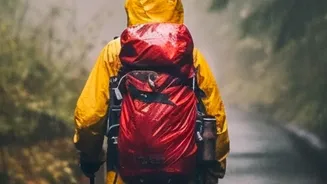








The threat of unpredictable rain can turn packing into a frustrating puzzle. How do you stay dry and comfortable without hauling a heavy bag? The secret isn't to pack more, but to pack smarter. It's about making strategic choices.
Choose Your Outerwear Wisely
The cornerstone of any
rain-ready wardrobe is the right jacket, but this doesn't mean a bulky, heavy coat. The ideal choice is a lightweight, packable, and truly waterproof rain shell. Look for jackets made from materials like Gore-Tex or those with a polyurethane (PU) coating and sealed seams, which prevent water from seeping through. A good hood with an overhanging brim is essential for keeping rain off your face. Many modern rain jackets are designed to pack down into their own pocket, taking up minimal space in your bag. This single, high-quality layer is far more effective and versatile than a flimsy poncho or a cumbersome, non-breathable raincoat that will leave you feeling clammy.
Fabric is Everything
When it comes to the clothes underneath your jacket, one rule stands above all: avoid cotton. Cotton and denim act like sponges, absorbing a huge amount of water and taking a very long time to dry, leaving you damp, cold, and uncomfortable. Instead, focus on quick-drying synthetic fabrics like polyester and nylon, or natural wonders like merino wool. These materials are hydrophobic, meaning they repel water rather than absorbing it. Polyester, for instance, absorbs less than 0.4% of its own weight in moisture. Merino wool is another excellent choice as it regulates body temperature, breathes well, and resists odour even after multiple wears. These fabrics are not only practical for wet weather but are also generally lighter and less bulky than their cotton counterparts, saving precious luggage space.
The Power of Layering
Unpredictable weather often means fluctuating temperatures. A downpour can cause a sudden drop in temperature, and the sun might reappear just as quickly. Instead of packing separate outfits for cold, warm, and wet conditions, adopt a layering system. Start with a moisture-wicking base layer, like a synthetic or merino wool t-shirt. Add an insulating mid-layer, such as a lightweight fleece jacket or a thin down vest, for warmth. Your packable waterproof jacket serves as the outer shell, shielding you from wind and rain. This three-part system allows you to add or remove layers easily, adapting to any weather without the need for a single, bulky coat.
Rethink Your Footwear
Soggy feet can ruin a travel day, but heavy, waterproof boots are often impractical to pack. For most trips, a more versatile approach is better. Consider lightweight, water-resistant trail running shoes or hiking shoes, which offer support and can handle a light shower. For truly wet conditions, a pair of silicone waterproof shoe covers can be a game-changer. These can be folded up and stored in your bag, ready to be pulled over your regular shoes during a downpour. Another strategy is to pack one pair of quick-drying sandals or water-friendly shoes for rainy moments and a separate, dry pair of shoes to change into for evenings or indoor activities.
Smart Accessories Make the Difference
A few small, well-chosen accessories provide a final line of defence against the rain. A compact travel umbrella remains a useful tool for city exploration. More importantly, protect your belongings. A waterproof backpack cover is a must-have to shield your entire bag during a deluge. Inside your bag, use dry bags or even simple zip-top bags to isolate electronics, passports, and a change of dry clothes from the rest of your gear. This strategy of 'internal waterproofing' ensures that even if your outer bag gets damp, your most critical items remain safe and dry. A small, quick-drying microfiber towel can also be invaluable for drying off after getting caught in a shower.