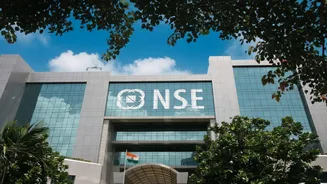









A Listing a Decade in the Making
The journey for the NSE's Initial Public Offering (IPO) has been a marathon, not a sprint. India's largest stock exchange first filed its draft papers for an IPO back in 2016. However, the plan was put on hold by the markets regulator, the Securities
and Exchange Board of India (SEBI), due to significant governance concerns. The primary roadblock was the 'co-location' controversy, where it was alleged that certain brokers were given unfair preferential access to market data. This regulatory hurdle kept the IPO in limbo for years, during which the exchange underwent significant changes in leadership and implemented stronger compliance frameworks to regain regulatory confidence.
Unpacking the Massive Valuation
The headline figure of over ₹5 lakh crore (or ₹5.3 trillion) stems from trading activity in the unlisted 'grey' market, where NSE shares are already bought and sold. This valuation makes NSE one of India's most valuable financial institutions before it has even officially listed. The IPO itself is expected to raise around ₹30,000 crore, which would make it the largest in Indian history, surpassing Hyundai Motor India's 2024 offering. The public issue will be entirely an Offer for Sale (OFS), meaning existing shareholders like the State Bank of India will sell their stakes, and the exchange itself will not raise new capital from the listing. Interestingly, Life Insurance Corporation of India (LIC), the largest shareholder, is not participating in the sale.
The Final Regulatory Hurdles
After years of delays, the path to an IPO cleared significantly when SEBI granted a 'no-objection certificate' (NOC) in early 2026, allowing the NSE board to approve the listing proposal. The exchange filed its updated Draft Red Herring Prospectus (DRHP) in June 2026. While the major governance issues appear to be nearing resolution, with a settlement in the co-location case reportedly close, some legal matters are still pending before various courts. These outstanding litigations and final regulatory sign-offs are the last steps before the exchange can launch what is now anticipated to be a September 2026 IPO.
Why This IPO Matters So Much
The NSE is the backbone of India's capital markets. It holds a near-monopolistic position, with a market share of around 93% in cash equity trading and nearly 100% in equity futures. Its listing is a landmark event for several reasons. For investors, it offers a rare chance to own a piece of the critical infrastructure that powers the Indian economy's financial engine. For the market, it brings one of its most dominant institutions under the full transparency and governance standards required of a publicly-traded company. As regulations prevent an exchange from listing on its own platform, NSE's shares will trade on its rival, the BSE. The launch is now a matter of timing, with the exchange preparing for global investor roadshows to market one of India's most awaited public offerings.