





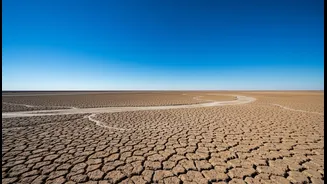


The Sobering Statistics
The numbers for July 2026 tell a clear story of scarcity. As of early July, Goa's seasonal rainfall deficit stood at a worrying 26.7%. After a significantly dry June, which saw a deficit of 34%, hopes were pinned on July, the peak monsoon month, to close
the gap. However, the monsoon weakened again after a brief revival in early July. According to the India Meteorological Department (IMD), the cumulative rainfall for the state as of July 8th was 895.8 mm, starkly below the normal expectation of 1189.9 mm. This shortfall is not just a statistical anomaly; it is having tangible and escalating consequences across the state.
From Paddy Fields to Taps
The first and most immediate impact is on agriculture and water supply. Farmers who were buoyed by moderate rains at the end of June and start of July are now facing uncertainty. The weak spell threatens kharif crops, which are heavily dependent on consistent monsoon showers. Across India, a weak monsoon can delay sowing, reduce yields, and shrink farm incomes, a pattern now threatening Goan cultivators. This water stress extends to households. Before the monsoon even began, officials were issuing warnings about dwindling water levels in key reservoirs like the Selaulim and Anjunem dams. In June, the government stated that the state's reservoirs held only about a month's worth of drinking water, creating pre-monsoon anxiety about whether taps would run dry.
An Economy Under Threat
Goa's economy, heavily reliant on tourism, is also vulnerable. While the monsoon is traditionally the off-season, the period contributes to replenishing the natural resources that make Goa a year-round attraction. Insufficient rain means less water for hotels, particularly the luxury properties with high consumption needs like private pools and landscaped gardens. It also impacts the overall aesthetic and ecological health of the region, which is a key part of its appeal. Beyond tourism, a poor monsoon affects hydropower generation, potentially leading to power cuts and increased energy costs for industries and residents alike, a problem seen across western India during periods of rainfall deficit.
More Than Just a Dry Spell
This year's weak monsoon isn't an isolated event but part of a larger, more troubling pattern. Meteorologists had warned that El Niño conditions could lead to an uneven and weaker monsoon season. These climate phenomena, coupled with local issues, exacerbate water scarcity. Goa faces a paradox: it is often flooded during intense rain spells, yet suffers from water shortages in summer. This is due to high surface runoff in its hilly terrain and challenges in capturing and storing rainwater effectively. Rapid and often unregulated urbanisation puts further strain on finite groundwater resources, a problem that becomes acute when the monsoon fails to deliver.
The Case for a Resilient Future
The current deficit underscores the urgent need for long-term water management strategies. The focus must shift from crisis management to building resilience. Experts have long advocated for mandatory rainwater harvesting for all new construction projects, a measure that could significantly ease summer shortages by capturing the water that currently runs off into the sea. Revitalising Goa's traditional water systems, such as its many wells, ponds, and springs, can also reduce dependence on a centralised, strained supply. Furthermore, there is a strong case for investing in nature-based solutions and creating community-led water management plans to foster a mindset of abundance over scarcity. Simply waiting and hoping for rain is no longer a viable strategy. This weak monsoon is a clear signal that Goa must prioritise water security to safeguard its environment, economy, and way of life.