




A Desert Transformed
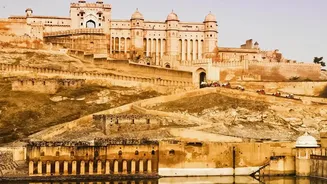
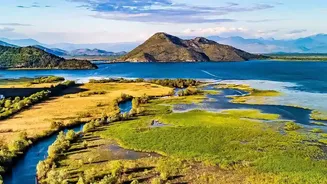
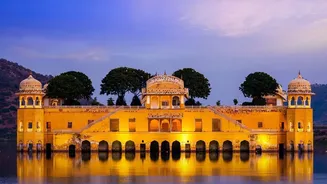
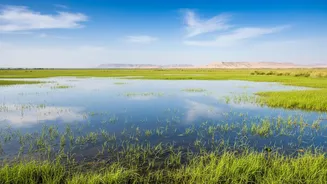
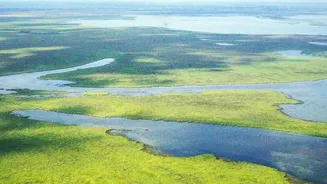
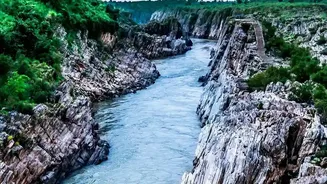
This monsoon season, India's desert state has become an unlikely emerald paradise. A powerful monsoon has drenched Rajasthan, causing its lakes to overflow and vast, low-lying areas to morph into temporary wetlands. This stunning transformation from a familiar
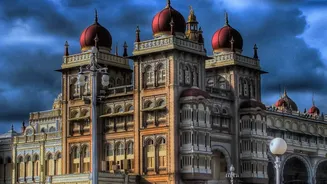
dusty brown to a vibrant green has not gone unnoticed. Travel trends for 2026 show a significant shift, with tourists flocking to witness the state's new avatar. Destinations like Udaipur, Mount Abu, and Kumbhalgarh are seeing a surge in visitors, drawn by the promise of misty forts, full lakes, and lush landscapes that feel a world away from the typical image of Rajasthan. This boom, dubbed 'green tourism' by some experts, is giving a major boost to the hospitality industry, especially in smaller, emerging destinations that are now accessible and appealing.
The Rise of the Temporary Wetland
The phenomenon isn't just a visual treat; it's a significant ecological event. In a state where water is precious, the appearance of these sprawling, temporary water bodies is remarkable. This year's surge is part of a larger trend of increasingly intense monsoon seasons in the region. While eastern and southern parts of the state like Udaipur and Bundi traditionally receive more rain, even western desert districts are seeing more heavy rainfall days. These impromptu 'wetland breaks' are essentially vast, shallow lakes formed on agricultural or fallow land. Several of these areas have even gained formal recognition for their ecological importance. In 2025, Menar in Udaipur and Khichan in Phalodi were designated as Ramsar sites—wetlands of international importance—highlighting their crucial role as habitats for migratory birds, even if some are only seasonal.
An Influx with Consequences
While the blooming landscape and tourism boom seem like a win-win, experts are urging caution. The sudden arrival of thousands of tourists in ecologically fragile and often temporary environments poses significant risks. Unregulated tourism can lead to pollution from plastic waste and sewage, soil erosion, and disturbance to wildlife that is drawn to these new water sources. Buffer zones of national parks, which remain open during the monsoon, are seeing more traffic, creating pressure on wildlife. Furthermore, the infrastructure in many of these newly popular rural areas was not designed to handle a large influx of visitors, raising concerns about sustainability and the long-term health of these ephemeral ecosystems. The very appeal of these pristine landscapes is threatened by the attention they are now receiving.
A Question of Balance
The core question now facing Rajasthan is one of balance. How can the state leverage this new tourism opportunity without destroying the very thing that makes it attractive? The increased rainfall is already altering the local ecology, with reports of bird and animal species not native to desert habitats becoming more common. Some see the potential for a new, sustainable eco-tourism model focused on these monsoon landscapes, which could provide livelihoods for local communities. However, this requires careful planning, strict regulation, and a focus on educating tourists about responsible travel. The challenge is to manage the flow of people, vehicles, and waste to ensure that these temporary wetlands can continue to serve as vital habitats and beautiful landscapes, rather than becoming cautionary tales of over-tourism.
The Way Forward: Adaptation or Exploitation?
Ultimately, Rajasthan's monsoon transformation is a vivid, real-time example of climate change adaptation. The landscape itself is changing, and human activity is following suit. The state's response will be critical. Will it develop robust eco-tourism policies that protect these new environments, involving local communities in conservation efforts? Or will the rush for short-term economic gain lead to the degradation of these fragile areas? The path taken will not only determine the future of monsoon travel in the state but also serve as a blueprint for how other regions might grapple with the unexpected opportunities and challenges presented by a changing climate. The beauty is undeniable, but its preservation will require foresight and restraint.