



More Than Just a Loud Noise
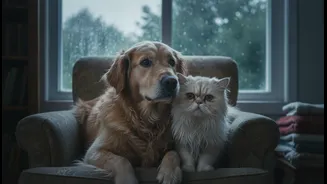
To help your pet, you first have to understand their fear. It’s not just the booming thunder that sends them scrambling. Dogs, with their keen senses, can detect changes in barometric pressure and hear low-frequency rumbles long before we can. Some experts
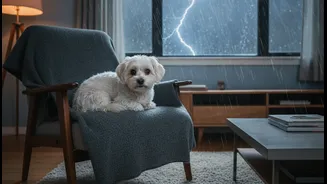
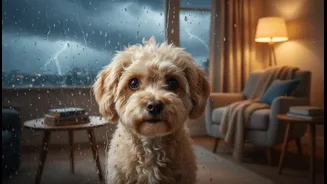
also suggest that the static electricity in the air during a storm can be uncomfortable, possibly delivering tiny, unpleasant shocks to their fur and sensitive noses. This combination of unsettling sounds, pressure changes, light flashes, and static charge creates a multi-sensory overload that triggers a deep-seated fear response. This isn't disobedience; it's an overwhelming physical and emotional reaction.
The Urban Amplifier Effect
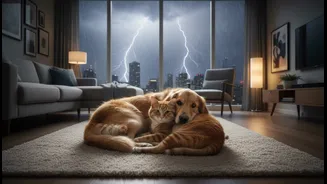
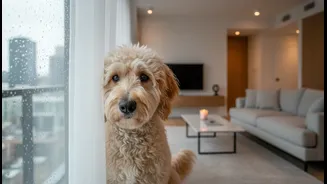
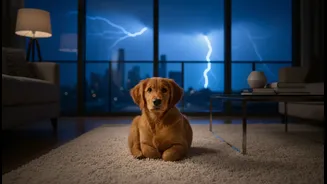
Living in a city adds another layer of complexity. The sounds of a storm don't just happen outside; they echo and reverberate between high-rise buildings. Thunder can sound much louder and more jarring in a dense urban landscape. For a pet living in an apartment, there's often no quiet basement or interior room to escape to. The sounds of heavy rain hitting windows, wind whistling through corridors, and the general cacophony of the city can magnify the storm's intensity, making your home feel less like a safe haven. This constant sensory bombardment can make it much harder for an already anxious pet to cope.
Immediate Comfort Strategies
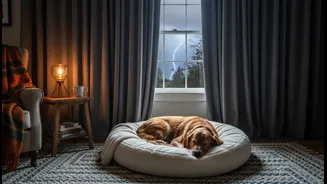
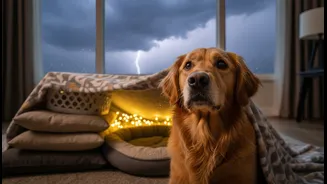
When a storm is rolling in, your immediate goal is to reduce your pet’s distress. First, create a 'safe den'. This could be a crate covered with a blanket, a closet, or a bathroom—anywhere your pet can feel secure and shielded from the noise and light. Fill it with their favourite bedding and toys. Playing calming music or white noise can help mask the thunder. It’s also crucial that you remain calm. Your pet looks to you for cues, and if you're anxious, it will only heighten their fear. Speak in a soothing voice and offer gentle petting if they seek it, but avoid excessive coddling which can sometimes reinforce fearful behaviour.
The Long Game: Desensitization and Patience
True, lasting change comes from patiently retraining your pet's emotional response to storms, a process known as desensitization and counter-conditioning. This involves playing recordings of storm sounds at a very low volume while your pet is relaxed. Pair these quiet sounds with something they love, like a high-value treat or a favourite game. Over many weeks or even months, you can gradually increase the volume, always ensuring your pet remains calm and comfortable. If they show any sign of fear, you've moved too fast. Lower the volume and go slower. This process rewires their brain to associate storm sounds with positive experiences, but it cannot be rushed. It requires immense patience.
Why There Are No Quick Fixes
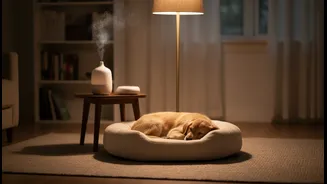
In a moment of desperation, it’s tempting to seek a single, magical solution. While tools like anxiety wraps, pheromone diffusers, or even veterinary-prescribed medications can be incredibly helpful parts of a larger plan, they rarely work as standalone cures. A calming vest might soothe your dog, but it doesn't address the root of the phobia. Medication can reduce panic but is most effective when combined with behaviour modification. Lasting success comes from a holistic approach: managing the environment during a storm, working on long-term desensitization, and building your pet’s overall confidence through predictable routines and positive training.