



The Slow Farewell to Cereals
For generations, the Indian diet has been defined by its reliance on cereals like rice and wheat. Recent data from the Household Consumption Expenditure Survey (HCES) for 2022-23 confirms a seismic shift: the dominance of grains is waning. The share of a household's
budget spent on cereals has fallen dramatically. In rural India, it dropped from 10.7% in 2011-12 to just 4.9% in 2022-23. Urban India saw a similar decline, from 6.6% to 3.6%. This doesn't mean we've stopped eating roti and rice, but it does show that for the first time in modern Indian history, food expenditure as a whole has dipped below 50% of total household spending, indicating a major lifestyle change. This historic decline is driven by several factors, including rising incomes, greater availability of other foods, and the impact of government food security programmes which provide subsidised grains.
A More Colourful, Diverse Plate
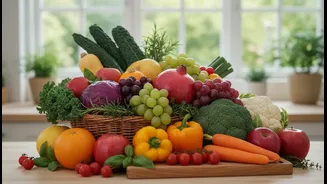
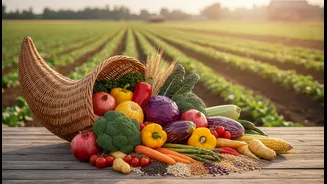
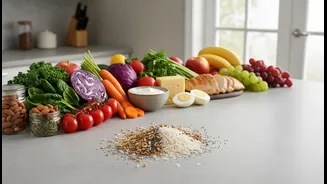
So, if we're spending less on cereals, what are we eating instead? The data points to a significant diversification of the Indian food basket. Households are spending more on high-value and nutrient-dense foods. The consumption of milk and dairy products, fresh fruits, eggs, fish, and meat has seen a notable increase across both rural and urban areas. For example, the share of households consuming eggs, fish, and meat on a regular basis has improved significantly, with under-consumption dropping since 2011-12. This shift is not just confined to the wealthy; the survey highlights that the most significant gains in dietary diversity have been among the poorest 20% of households, pointing to improved access and affordability.
The Rise of Processed Foods
The changing food basket isn't just about adding more fruits and vegetables. There's also been a remarkable growth in spending on beverages and processed foods. This category has become a significant part of food expenditure, indicating a shift towards convenience. While this diversification away from cereals is positive in many ways, the rising intake of ultra-processed foods is a growing concern for health experts. These foods often add 'empty calories' without providing essential nutrients, and their increased consumption has been linked to a rise in lifestyle diseases like obesity and diabetes across India.
The Paradox of Hidden Hunger
A more varied diet should mean a healthier population, but the reality is more complicated. This is the central paradox: despite eating a wider range of foods, India continues to struggle with 'hidden hunger' or micronutrient deficiencies. While overall calorie and protein intake may be adequate, many Indians are not getting enough essential vitamins and minerals. For instance, the decline in cereal consumption has, in some cases, led to a reduced intake of iron and zinc, as cereals are often a primary source of these minerals, however low-quality. Widespread deficiencies of iron, Vitamin D, and Vitamin B12 persist as major public health issues, with anaemia affecting a staggering 57% of women and 67% of young children.
Why Variety Isn't a Silver Bullet
The persistence of nutritional gaps shows that diversification alone is not enough. Several factors explain this disconnect. Firstly, the quantity of nutrient-dense foods being consumed may still be insufficient to meet daily requirements. A household might be eating more fruit than before, but still not enough. Secondly, access and affordability, while improving, remain barriers for many. Thirdly, the quality of protein intake is a key issue. While protein consumption seems adequate on average, nearly half of it comes from low-quality cereals rather than more complete sources like pulses, dairy, or meat. Ultimately, the data suggests that while we have taken the first step by diversifying our plates, the next challenge is to ensure that this diversity translates into truly balanced and adequate nutrition for all.