

Why Add More Protein to Your Breakfast?
Protein is a vital macronutrient that plays a crucial role in building and repairing tissues, making enzymes and hormones, and providing energy. Starting your day with a protein-rich meal can help you feel full and satisfied for longer, reducing the urge
to snack on less healthy options before lunch. A high-protein breakfast helps maintain stable blood sugar levels, providing sustained energy rather than a quick spike and crash. For those on vegetarian diets, getting enough protein requires mindful food choices, and enhancing traditional meals is an excellent strategy to meet daily needs.
The Power Players: Which Seeds to Use
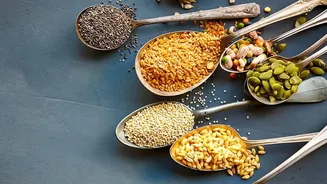
Not all seeds are created equal, but a few stand out for their impressive protein content and overall nutritional benefits. The best part is that they are readily available in most Indian kitchens or grocery stores. For boosting your batters, focus on seeds like flax (alsi), pumpkin (kaddu ke beej), sunflower (surajmukhi ke beej), and chia. These tiny powerhouses are packed with healthy fats, fibre, vitamins, and minerals, making them a fantastic addition to your daily diet.
Spotlight On: Flax Seeds (Alsi)
Flax seeds are a nutritional champion, celebrated for their high content of alpha-linolenic acid (ALA), a type of heart-healthy omega-3 fatty acid. They are also an excellent source of fibre and protein, with about 18 grams of protein per 100-gram serving. To unlock their full benefits, it's essential to consume them in ground form, as the human body cannot easily digest the whole seed's tough outer shell. Ground flax seeds have a mild, nutty flavour that blends seamlessly into dosa and thalipeeth batters.
Spotlight On: Pumpkin Seeds (Kaddu Ke Beej)
Often discarded during vegetable prep, pumpkin seeds are one of the best plant-based sources of protein available. A 30-gram serving can provide around 8-9 grams of protein. They are also exceptionally rich in minerals like magnesium, which is crucial for bone health and regulating blood pressure, as well as zinc and iron. When roasted and powdered, they impart a subtle, nutty taste that complements the savoury notes of traditional Indian batters.
Spotlight On: Sunflower and Chia Seeds
Sunflower seeds are another excellent choice, offering a good amount of protein along with healthy fats and a high concentration of Vitamin E, a powerful antioxidant. They have a mild flavour that won't overpower your dish. Chia seeds, like flax, are rich in fibre, protein, and omega-3s. They have a unique ability to absorb liquid and form a gel, which can add a slightly different texture to your batter, so it’s best to use them in combination with other seeds.
Your Step-by-Step Guide to Making Seed Powder
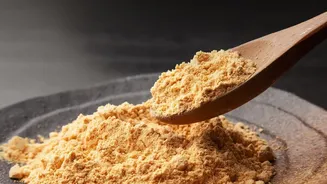
Creating your own protein-boosting powder is incredibly simple and ensures you are using pure, unadulterated ingredients. Start by picking one seed or creating a mix. A good starting blend is equal parts pumpkin, sunflower, and flax seeds. 1. Dry Roast: Place the seeds in a heavy-bottomed pan on low to medium heat. Stir continuously for 3-5 minutes until they become fragrant and lightly toasted. Some seeds, like flax, may start to pop. This step enhances flavour and makes them easier to digest. 2. Cool Completely: Spread the roasted seeds on a plate and let them cool down to room temperature. This is a crucial step, as grinding warm seeds can turn them into a paste or butter due to their high oil content. 3. Grind to a Powder: Transfer the cooled seeds to a dry spice grinder or mixer jar. Pulse a few times until you get a fine, consistent powder. Avoid over-grinding. 4. Store Properly: Store the powder in a clean, airtight container. For maximum freshness, keep it in the refrigerator. It should last for several weeks.
The Perfect Ratio: How Much Powder to Add
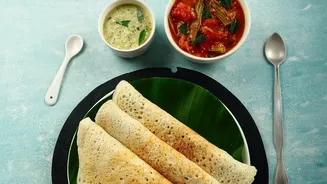
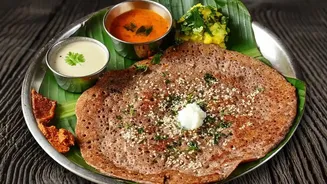
Now for the easy part. Once you have your seed powder ready, you can start incorporating it into your fresh dosa or thalipeeth batters. A good rule of thumb is to add 1 to 2 tablespoons of the seed powder for every cup of batter. Mix it in thoroughly right before you start making your dosas or thalipeeths. This amount is enough to boost the protein content significantly without drastically altering the taste or the delicate texture of the final product. Feel free to start with a smaller amount and adjust according to your preference.