








The New Travel Manifesto
So, what does it mean to be 'alert-aware'? It’s a new travel philosophy that blends adventure with intense preparation. This isn't about avoiding risks entirely, but about mitigating them through information. Before booking a flight, Gen Z travellers
are diving deep. They aren't just checking flight prices; they're cross-referencing government travel advisories, scanning social media for real-time conditions, and reading reviews that go far beyond the quality of the hotel breakfast. This generation, having grown up online, is fluent in filtering vast amounts of data to build a realistic picture of their destination. It’s a proactive stance that views meticulous planning not as a chore, but as the very foundation of a successful and safe trip.
Why Caution is the New Cool
This shift isn't born from a lack of courage, but from a pragmatic worldview shaped by their environment. Gen Z is the first generation to come of age in a world of constant, unfiltered information. They grew up with news of global instability, climate events, and a pandemic delivered directly to their pockets. This has cultivated a mindset that is inherently cautious. Unlike millennials who were introduced to the internet as a tool, Gen Z has lived within it as an environment. For them, a 24/7 news cycle isn't a novelty; it's the baseline reality. As a result, they don't see the world through rose-tinted glasses. Their desire for preparedness is a logical response to a world they perceive as unpredictable, and they possess the digital literacy to act on that instinct.
The Digital Safety Net
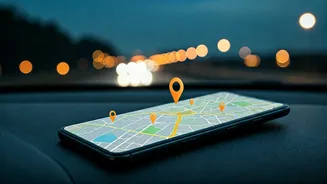
This hyper-awareness translates into a specific set of travel habits. Travel insurance, once an afterthought for many young travellers, is now often considered a non-negotiable first step. Location-sharing apps, whether it's Apple’s Find My or dedicated services, are used to keep a close circle of family and friends updated. Social media platforms like TikTok and Instagram have become essential research tools. A search for a destination provides not just glossy influencer shots, but also raw, on-the-ground videos about local scams to watch out for, neighbourhoods to avoid after dark, and tips for solo female travellers. This crowd-sourced intelligence provides a layer of nuance that traditional guidebooks could never offer, creating a digital safety net that spans the globe.
Smarter, Not Smaller, Adventures
It would be a mistake to interpret this trend as a sign that Gen Z is travelling less or staying closer to home. In fact, the opposite may be true. This meticulous planning is an enabler of more ambitious travel. By managing the predictable risks, they feel more confident to explore off-the-beaten-path destinations. For young Indians, this trend is particularly relevant as they increasingly explore both diverse domestic landscapes and international locales for the first time. They are using this alert-aware approach to navigate complex visa processes, understand cultural nuances, and ensure their experiences are both authentic and safe. The preparation gives them the freedom to be more present and spontaneous once they arrive, knowing they have a solid plan to fall back on.