




NASA's Artemis Program: A Sustained Return to the Moon
More than fifty years after the final Apollo mission, humanity is heading back to the Moon, and this time, the plan is to stay. NASA's Artemis program is a monumental effort to establish a permanent human presence on and around the Moon. Following the successful
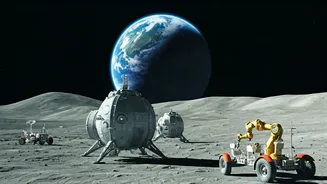
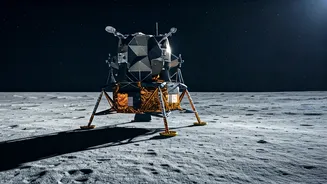
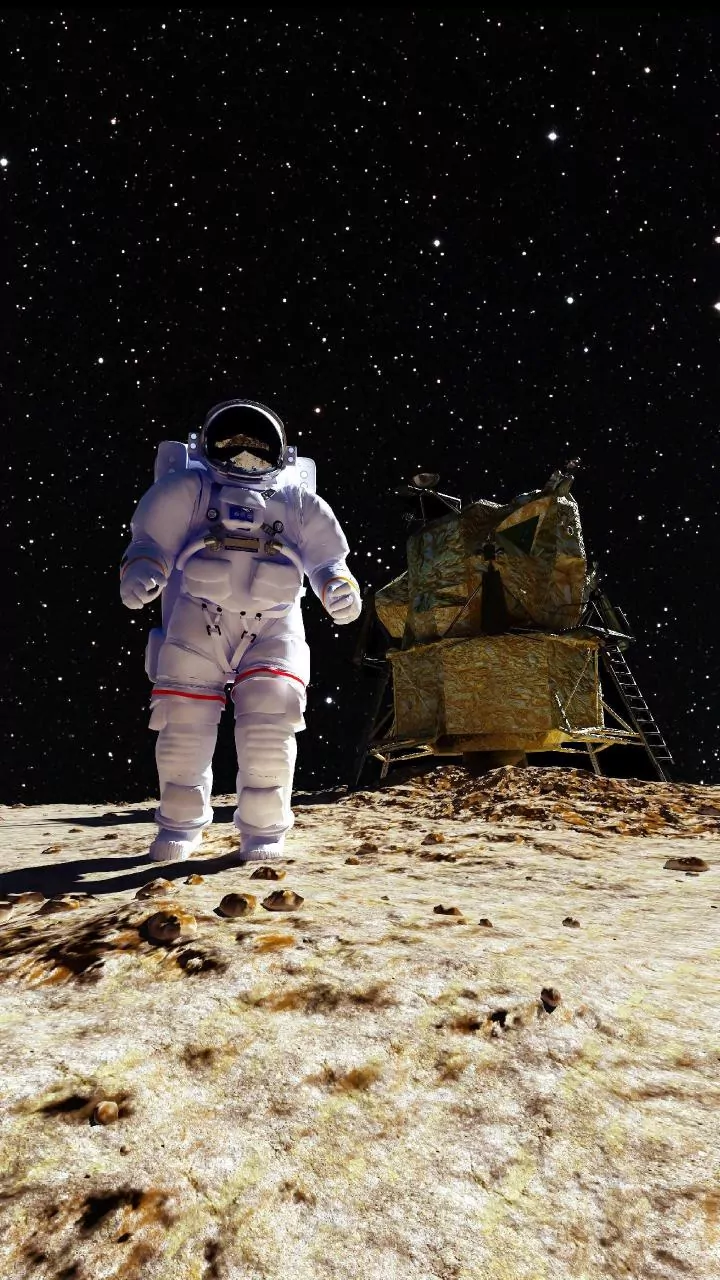
uncrewed Artemis I flight in 2022 and the crewed Artemis II lunar flyby in April 2026, the program is building momentum. The next major step, Artemis III, is slated for 2027 and will serve as a crucial test of rendezvous and docking capabilities in Earth orbit with the new generation of commercial lunar landers. The first crewed landing is now planned for 2028 on Artemis IV. Beyond just planting a flag, the ultimate goal is to build a long-term lunar base at the Moon's south pole by 2032, a region believed to hold water ice. This resource could be vital for supporting astronaut life and even producing rocket fuel for future missions to Mars. The program is a massive collaboration, blending NASA's decades of experience with the innovation of private companies and international partners.
SpaceX's Starship: The Reusable Rocket for Mars
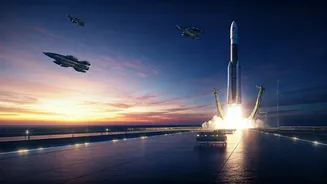
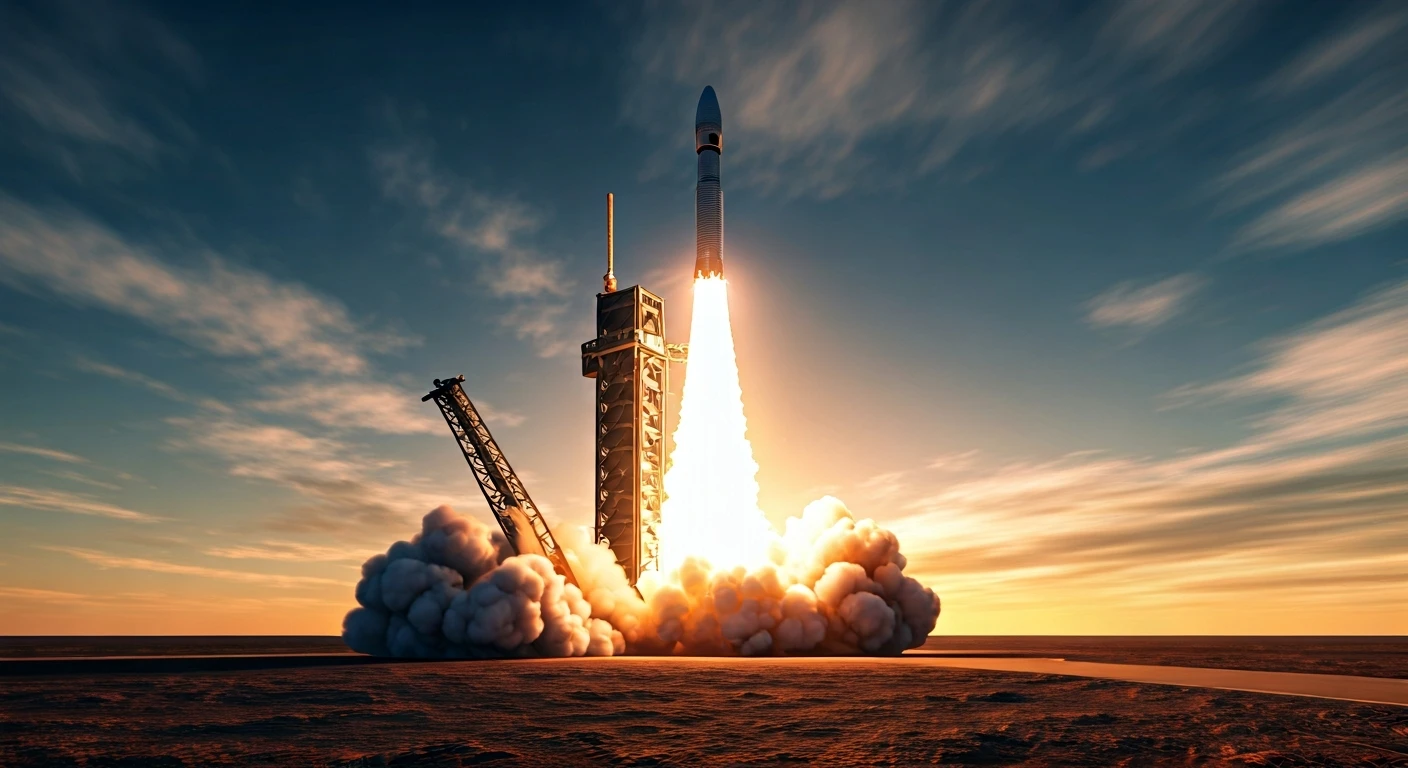
Perhaps no single project captures the ambition of this new era better than SpaceX's Starship. This fully reusable, super heavy-lift rocket is the largest and most powerful launch vehicle ever built, designed with the explicit goal of making humanity a multi-planetary species. Starship is central to NASA's Artemis plans, with a version of the spacecraft being developed as a Human Landing System (HLS) to ferry astronauts to the lunar surface. But its ambitions extend far beyond the Moon. SpaceX is planning for an uncrewed mission to send five Starships to Mars as early as November 2026. After numerous test flights with increasing success, the third version of Starship began flight tests in May 2026, achieving key milestones like a controlled splashdown. The program's success is critical not only for deep-space exploration but also for SpaceX's business, as Starship is needed to deploy larger next-generation Starlink satellites and dramatically lower the cost of accessing space.
China's Ambitious Lunar and Space Station Program
The United States is not the only global power with its sights set on the cosmos. The China National Space Administration (CNSA) is pursuing an increasingly sophisticated and ambitious space program. Its Tiangong space station is now steadily operating in low-Earth orbit, hosting astronauts for long-duration missions and conducting hundreds of scientific experiments. In 2026, China plans two more crewed missions and a cargo resupply flight to Tiangong. Looking toward the Moon, China is in a direct race to establish its own presence. The Chang'e 7 mission, planned for August 2026, will send a lander and rover to the lunar south pole to search for water ice. This is part of a broader plan to land Chinese astronauts, or taikonauts, on the Moon before 2030 and eventually establish an International Lunar Research Station. The development of key hardware, like the Long March-10 rocket and the Mengzhou crewed spacecraft, is reportedly progressing smoothly.
New Eyes on the Cosmos: The Next Generation of Space Telescopes
While human exploration grabs headlines, a new fleet of robotic observatories is preparing to revolutionize our understanding of the universe. Chief among them is NASA's Nancy Grace Roman Space Telescope, slated to launch as early as August 2026. While the James Webb Space Telescope provides deep, narrow views of the cosmos, Roman is a wide-angle survey instrument. Its 300-megapixel camera will capture enormous panoramas of the sky, with a field of view 100 times larger than Hubble's. This will allow it to map billions of galaxies and discover thousands of exoplanets, helping to unravel the mysteries of dark energy and dark matter. It joins other powerful instruments planned for the near future, like the European Space Agency's PLATO mission, which will hunt for small, rocky planets in the habitable zones of Sun-like stars.