



It’s a frustratingly common kitchen tragedy: you buy a crisp head of lettuce or a fresh bunch of spinach, and within days, it’s yellow and wilted. The culprit is likely an invisible gas called ethylene, a natural ripening agent.
The Invisible Culprit: What Is Ethylene?
Ethylene is a natural plant
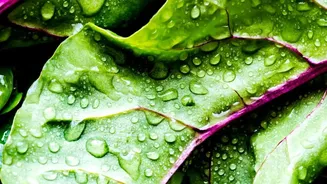
hormone, an odorless and colorless gas released by certain fruits and vegetables as they ripen. Think of it as a signal that tells produce to get softer and sweeter. The old saying 'one bad apple spoils the bunch' is scientifically true because a ripening apple releases ethylene, triggering nearby produce to ripen and eventually decay more quickly. While this is useful if you want to speed up the ripening of a hard avocado, it can be disastrous for produce that is sensitive to it, leading to accelerated spoilage and waste. Specifically for leafy greens, ethylene exposure breaks down chlorophyll, which is the pigment that keeps them green and vibrant. When chlorophyll degrades, the leaves turn yellow, lose their crispness, and can develop a bitter taste.
The Ethylene All-Stars: Top Producers
To win the war on waste, you first need to know the primary offenders. These are the fruits and vegetables that produce significant amounts of ethylene gas and should be considered the 'loud neighbors' in your refrigerator. Storing them in isolation or far from sensitive items is the most critical step. The most common high-ethylene producers you'll find in your kitchen include apples, ripe bananas, avocados, tomatoes, cantaloupe, peaches, pears, and plums. Even when stored in the refrigerator, these items continue to emit ethylene gas. Keeping them on the counter is fine, but they should still be kept away from other produce. For example, a fruit bowl filled with apples, bananas, and tomatoes might look nice, but it's creating a potent cloud of ethylene that can prematurely age anything sensitive nearby.
The Sensitive Ones: Protect This Produce
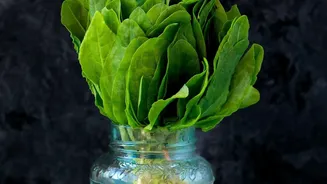
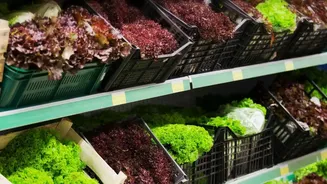
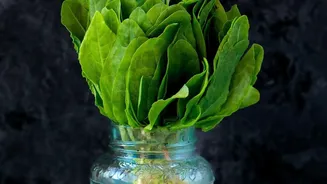
On the other side are the ethylene-sensitive items. These vegetables and fruits don't produce much ethylene themselves but are highly susceptible to its effects. Leafy greens are famously sensitive; lettuce, spinach, kale, and arugula will quickly yellow and wilt when exposed to the gas. But the list doesn't stop there. Other highly sensitive vegetables include broccoli and cauliflower (which will yellow), carrots (which can become bitter), cucumbers, asparagus, and Brussels sprouts. Even some fruits, like unripe bananas and watermelon, are sensitive to external ethylene. Storing these items next to a high producer like an apple is a recipe for rapid decay. They need to be given their own protected space to stay fresh.
Your Game Plan: Smart Storage Strategies
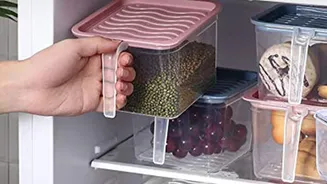
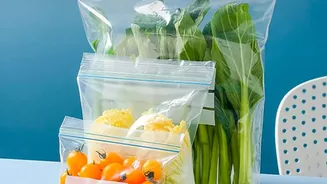
The solution is simple: segregation. The easiest way to apply this is by using the two crisper drawers in your refrigerator. Designate one drawer for ethylene producers (like apples and avocados) and the other for ethylene-sensitive produce (like leafy greens and broccoli). This separation creates a physical barrier that contains the gas. For leafy greens, an extra layer of protection helps. After washing and thoroughly drying them, store them in a sealed container or a plastic bag in the designated 'sensitive' drawer. This not only protects them from ethylene but also helps maintain the humidity they need to stay crisp. Never store produce in a sealed bag or container with a high-ethylene producer, as this will trap the gas and accelerate spoilage even faster. By simply organizing your fridge based on this chemical reality, you can dramatically extend the life of your produce.