






What is Slow Travel, Really?
Slow travel isn't just about moving at a leisurely pace; it's a mindset. At its core, it is the opposite of mass tourism, which often involves rushing through multiple destinations to tick off famous landmarks. Instead, slow travel encourages a deeper
connection with a single place. It's about spending more time in fewer locations, engaging thoughtfully with the local culture, environment, and community. The goal is to move beyond being a mere spectator and to immerse oneself in the daily rhythms of a destination, whether that means lingering over a coffee at a local café or learning about regional crops on a family-run farm. This approach prioritises authentic, memorable experiences over a packed itinerary.
The Antidote to Urban Burnout
For many Indians, the appeal of slow travel is a direct response to the pressures of modern urban life. A recent travel outlook report found that relaxation is the primary motivation for 67% of Indian travellers, who are increasingly looking for holidays that allow them to disconnect. This has fuelled a trend of 'hushpitality'—a preference for quiet surroundings, fewer crowds, and unhurried schedules. The rise of remote and hybrid work has also played a significant role, enabling professionals to take 'workations' where they can blend their job with extended stays in more peaceful settings. Destinations like Rishikesh and Dharamshala have seen a surge in interest, attracting those seeking forest walks, meditation, and quiet time over chaotic tourist hotspots.
The Rise of the Farm Stay
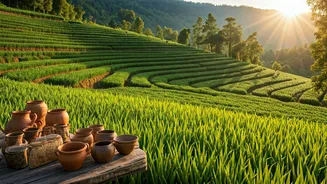
Nowhere is the slow travel ethos more apparent than in the boom of agritourism. The Indian agritourism market is projected to grow significantly, with a CAGR of over 17% forecasted between 2026 and 2034. Farm stays offer urban dwellers a chance to escape city life and find a genuine connection to the land. These are not just rustic accommodations; they are immersive experiences. Guests can participate in farming activities, from milking cows at Himalayan Orchard in Himachal Pradesh to learning about sustainable practices at Prakriti Farms in Punjab. These stays provide a supplementary income for farmers and give travellers a hands-on glimpse into rural life, complete with fresh, organic, farm-to-table meals.
Sipping Slowly: The Café Connection
The slow travel movement extends to the humble café. Rather than a quick grab-and-go coffee, travellers are seeking out local spots where they can linger, observe, and connect. A quiet café in a place like Coorg or a seaside spot in Goa becomes a temporary 'third place'—a space between accommodation and sightseeing where the pace of the day can unfold naturally. It's an opportunity to support local businesses, chat with the owner, and discover hidden gems not found in a guidebook. This simple act of choosing a local, independent café over a large chain helps distribute tourist spending more widely and fosters a more sustainable and economically beneficial form of travel.
How to Embrace the Slow Lane
Adopting a slow travel mindset doesn't require a month-long sabbatical. It can be as simple as choosing one city or region for your trip instead of three. Try leaving a day in your itinerary completely unplanned for spontaneous discoveries. Use public transport, walk, or rent a bicycle to experience a place at a human scale. Seek out locally-owned restaurants, visit a neighbourhood market, and book a stay at a homestay or local guesthouse. Recent data shows a huge majority of Indian travellers are open to visiting lesser-known destinations that haven't already saturated their social media feeds, highlighting a collective desire for more authentic and personal journeys.