




The Problem with Over-Harvesting
Enthusiasm in the garden is wonderful, but over-harvesting can be a death sentence for your beloved herbs. When you strip a plant of too many leaves, you remove its ability to photosynthesise, which is how it creates energy to live and grow. A general
rule of thumb for sustainable harvesting is to never take more than one-third of the plant at any given time. Taking too much at once puts the plant under immense stress, forcing it to deplete its energy reserves just to survive. This can lead to stunted growth, a weaker plant that's more susceptible to pests and disease, and in the worst-case scenario, the plant may die altogether. A small, regular harvest is much healthier for the plant than one large, greedy picking.
From Leaves to Flowers: A Plant's Purpose
We often see flowering as a sign that our culinary herbs are past their prime. For basil, cilantro, and others, this shift in energy from leaf production to flower and seed production can make the leaves less flavourful. This process is called 'bolting'. While gardeners focused solely on culinary use will pinch off flowers to prolong leaf production, it's helpful to reframe this natural cycle. Flowering isn't a failure; it's the plant's ultimate purpose. It's trying to complete its life cycle and create the next generation. By allowing at least some of your herbs to follow this natural path, you participate in a more complete and sustainable form of gardening.
A Feast for Our Pollinator Friends
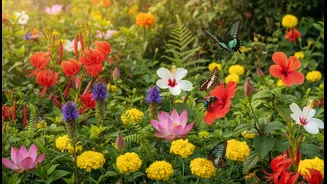
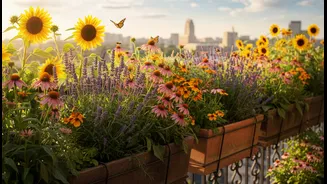
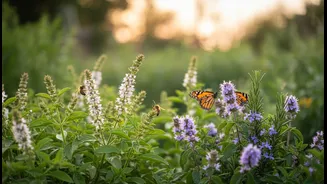
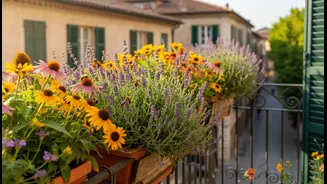
Perhaps the most significant benefit of letting herbs flower is the incredible support it provides for local pollinators. In our urban and suburban landscapes, a flowering pot of basil, oregano, or rosemary can be a critical food source for bees, butterflies, and other beneficial insects. These insects are essential for the health of our entire ecosystem. Herb flowers that grow in clusters, like those of mint, sage, and oregano, are particularly attractive because pollinators can visit many blooms without expending much energy. Chive blossoms are a favourite of bees, while dill and fennel flowers attract swallowtail butterflies. By creating this small-scale habitat, you are not just growing herbs for your kitchen; you are actively contributing to local biodiversity.
A Guide to Mindful Harvesting
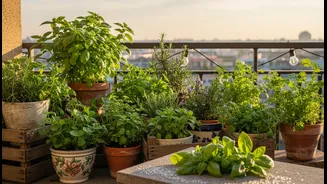
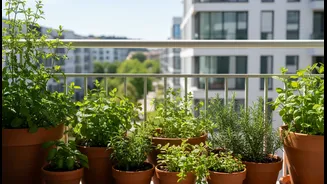
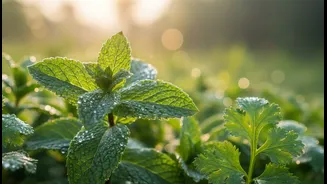
Adopting a more sustainable approach doesn't mean you have to stop using your fresh herbs. It simply means harvesting more thoughtfully. For bushy herbs like mint, tulsi, and basil, snip the stem from the top, just above a pair of leaves. This encourages the plant to branch out and become fuller, rather than tall and leggy. For herbs like coriander, clip the outer, more mature leaves first, allowing the centre of the plant to continue producing new growth. With woody herbs like rosemary and thyme, cut the softer, greener sprigs from the top of the plant. Always use clean, sharp scissors to make a clean cut, which helps the plant heal quickly. And remember the one-third rule: leave plenty of foliage to ensure the plant stays healthy and productive.
Life Beyond the Chutney
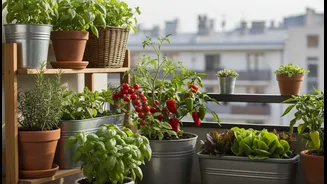
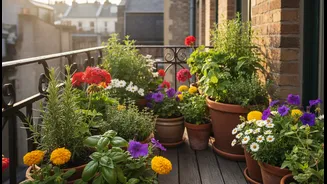
Embracing flowering herbs opens up new possibilities. Many herb flowers are edible and can make beautiful, flavourful garnishes for salads and drinks; borage, chive, and nasturtium flowers are great examples. You can let some plants go to seed completely. Allowing a cilantro plant to flower and produce seeds provides you with your own coriander seeds for next season's planting or for your spice rack. Ultimately, this practice is about shifting your mindset. Instead of viewing your herb garden as a mini-farm for constant extraction, see it as a vibrant, living ecosystem that you are a part of. The beauty and life that a few flowering herbs bring to a balcony or windowsill is a reward in itself.