




A Taste of the Monsoon
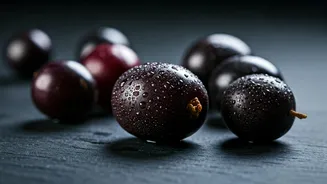
Long before weather apps and calendars, the truest signs of the approaching monsoon were sensory. The smell of petrichor, the darker shade of the clouds, and, of course, the arrival of jamun in street carts and markets. This small, oblong fruit, also
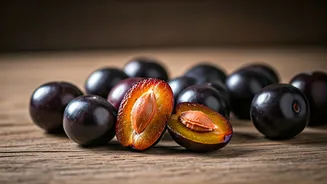
known as Java plum or black plum, is a seasonal superstar. Its appearance signals the end of the scorching summer heat and the beginning of refreshing rains. The taste is an experience in itself—a complex burst of sweet, mildly sour, and distinctly astringent notes that leaves a memorable, slightly dry sensation on the palate. That puckering quality is precisely what makes it so addictive. For millions, the flavour of jamun is inextricably linked with the joy and relief that the monsoon brings.
More Than Just a Fruit
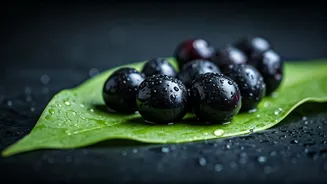
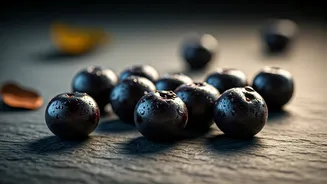
Jamun is woven into the fabric of Indian childhood memories. It’s the fruit you bought from a street vendor for a few coins, shaking it in a paper cone with a pinch of black salt (kala namak) that perfectly balanced its tartness. The inevitable purple stains on school uniforms were a badge of honour, a tell-tale sign of a delicious afternoon snack. Beyond personal nostalgia, jamun holds a place in cultural and religious lore. In Hindu mythology, Lord Rama is said to have survived on the fruit during his 14-year exile in the forest. Its mention in ancient texts and its association with deities like Krishna cement its status as more than just a fleeting seasonal treat; it's a piece of our collective heritage. Its deep purple colour, almost black when fully ripe, makes it stand out, a jewel-toned promise of the lushness to come.
The Power in the Purple
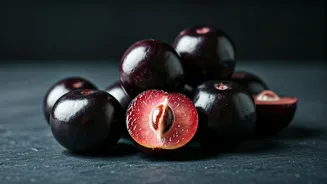
While we love it for its taste, jamun is also a nutritional powerhouse. That deep purple hue comes from anthocyanins, powerful antioxidants that help fight free radicals in the body. The fruit is a good source of Vitamin C and iron, which can help improve haemoglobin levels. But its most famous traditional use is in managing blood sugar levels. For centuries, jamun has been a staple in Ayurvedic and Unani medicine for its purported anti-diabetic properties. Both the fruit and its seeds contain compounds like jamboline and jambosine, which are believed to slow down the rate at which sugar is released into the bloodstream. While modern science continues to study these effects, the fruit's low glycemic index makes it a relatively safer fruit choice for those monitoring their sugar intake.
How to Pick the Perfect Batch
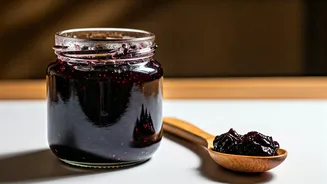
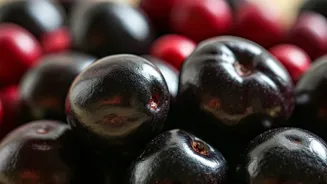
Choosing the best jamuns can elevate the experience from good to sublime. Look for fruits that are plump, firm to the touch, and have a dark, uniform purple or near-black colour. Avoid any that are bruised, mushy, or have a greenish tinge, as they will be unpleasantly sour. Once you get them home, wash them thoroughly. The classic way to eat them is, of course, with a sprinkle of black salt to cut through the astringency. Store them in the refrigerator, but they are best consumed within a day or two as they are highly perishable. If you end up with a batch that’s a bit too tart, don't throw them away. They are perfect for making a tangy chutney, a refreshing juice, or even a simple jamun-infused water.
A Modern Culinary Comeback
While the classic salt-sprinkled version remains undefeated, jamun is enjoying a renaissance in modern Indian kitchens and bars. Chefs are using its unique flavour profile and stunning colour to create innovative dishes. You can now find jamun sorbets, cheesecakes, and mousses on dessert menus. Its tartness makes it an excellent base for savoury sauces to accompany grilled meats. In the world of mixology, the 'jamun shot'—a vibrant, tangy concoction—has become a party favourite. This culinary creativity is introducing the humble fruit to a new generation and reminding everyone else of its incredible versatility.