


Embrace the Capsule Wardrobe
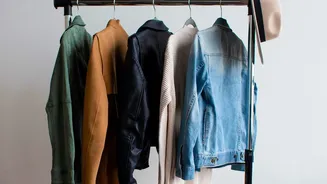
The secret to light travel isn't leaving things behind; it's packing smarter with a capsule wardrobe. This approach centres on selecting a few versatile, high-quality items that can be mixed and matched to create multiple outfits. Instead of packing for
specific occasions, you pack foundational pieces that work together. For a mountain trip, this means choosing thermals, fleeces, and jackets in complementary colours. Think neutral base layers, a couple of colourful mid-layers, and a single, high-performance outer jacket. This strategy dramatically reduces the volume of clothing you need, freeing up precious backpack space while ensuring you're prepared for any weather.
Master the Art of Layering
Proper layering is the cornerstone of staying warm and comfortable in the mountains, and it also dictates your packing list. Instead of one massive, bulky jacket, think in terms of three key layers that you can add or remove as conditions change. Your base layer, worn against the skin, should be made of merino wool or a synthetic fabric that wicks sweat away. Cotton is a poor choice as it retains moisture and can make you feel cold. Your mid-layer provides insulation; this is typically a fleece jacket or a light down 'puffy' jacket. Finally, your outer shell should be a waterproof and windproof jacket that protects you from the elements. By packing these distinct layers, you gain versatility without the bulk of multiple heavy coats.
Roll, Fold, and Compress
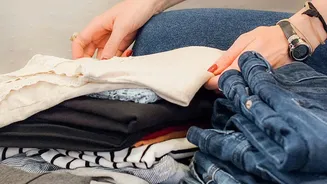
How you pack is just as important as what you pack. The general rule is to roll softer, thinner items and fold bulkier ones. Base layers, t-shirts, and even fleece can be rolled tightly to save space and minimise wrinkles. For puffier jackets and heavy sweaters, a different technique is required. Lay the item flat, fold in the sleeves, and then roll it tightly from the bottom up, tucking it into its own hood if possible. The most effective method for bulky items, however, is using compression packing cubes or bags. These allow you to pack a puffy jacket or a few sweaters and then zip a second zipper that compresses everything down, often shrinking its volume by half. This can be a game-changer for fitting winter wear into a backpack.
Wear Your Heaviest Items
This is one of the simplest and most effective space-saving hacks: wear your bulkiest items on your travel days. Your heaviest winter jacket and your sturdiest pair of trekking boots should be on your person, not in your bag. A heavy jacket can easily take up a third of your backpack space. By wearing it, you free up that real estate for other essentials. Once you're on the plane or bus, you can always take the jacket off and use it as a pillow or blanket. The same logic applies to boots. They are often awkward and heavy to pack, so wearing them is the most practical solution.
Strategise Your Backpack Space
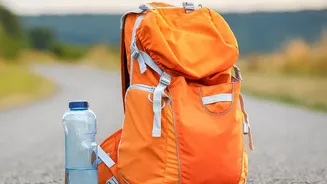
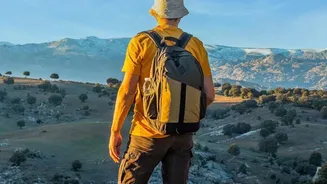
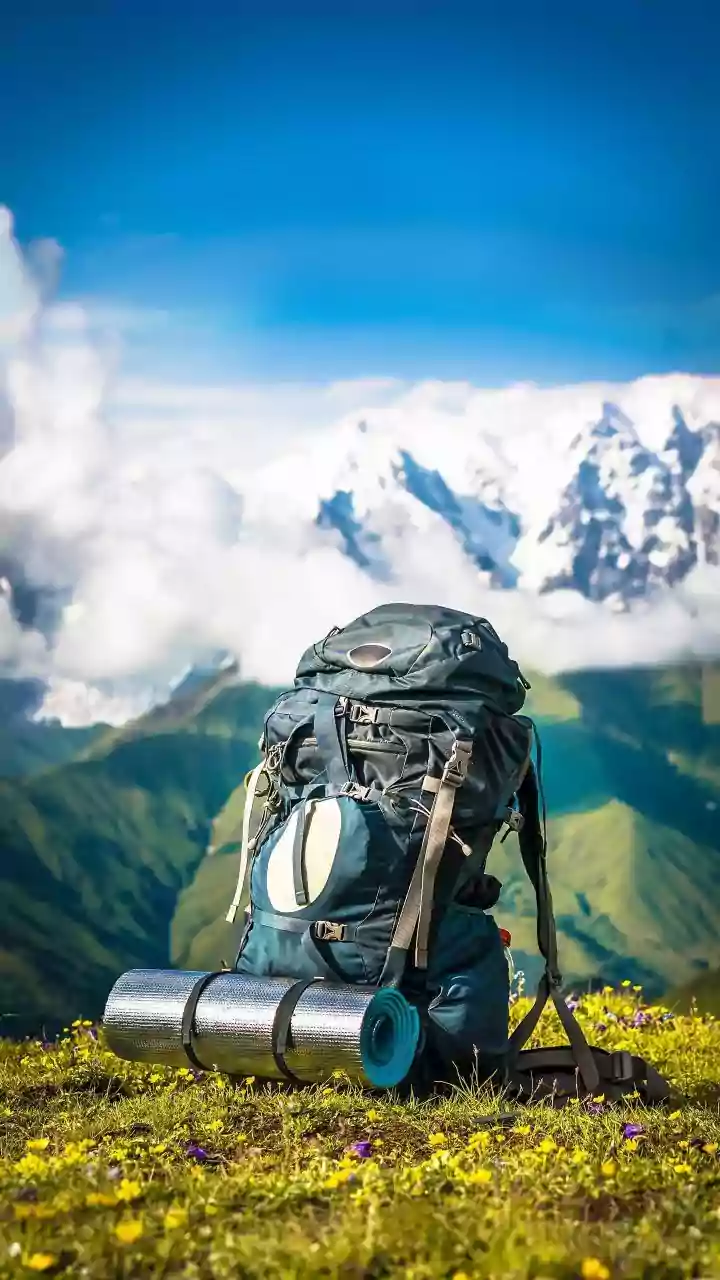
Organising your backpack correctly ensures comfort and easy access to your gear. Pack the bulkiest but lightest items, like your sleeping bag or a compressed down jacket, at the bottom of your pack. Heavier, denser items such as food, water, or electronic gear should be placed in the middle, close to your back, to maintain a stable centre of gravity. The top section of your pack is for essentials you might need to access quickly on the trail, like your rain jacket, first-aid kit, or snacks. Utilise every nook and cranny; stuff socks or other small items inside your spare shoes to make use of otherwise empty space.
Accessorise for Maximum Warmth
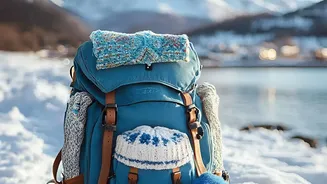
Small accessories can make a huge difference in staying warm without taking up much space. A good quality woolen beanie is essential, as you lose a significant amount of body heat through your head. A buff or neck gaiter is incredibly versatile; it can protect your neck from wind, cover your face in extreme cold, and even act as a headband. Don't forget several pairs of warm wool-blend socks; having a dry pair to change into at night is crucial for comfort and warmth. A pair of waterproof gloves is also non-negotiable for keeping your hands protected from snow and cold winds. These small items pack down easily but offer a massive return on warmth.