






The Quest for Darkness
For countless generations, the night sky was a universal source of wonder, storytelling, and science. Today, however, widespread light pollution has veiled the cosmos for a majority of the world's population. In response, a global movement to preserve
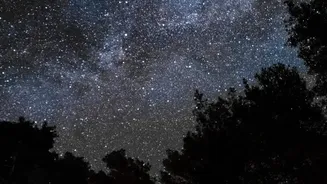
the remaining pockets of natural darkness is growing, and India is emerging as a key participant. The concept of a 'Dark Sky Park' or 'Reserve' is simple but powerful: to protect an area from artificial light, ensuring that the heavens are visible in their full glory. These initiatives aren't just for astronomers; they create sanctuaries for nocturnal wildlife, boost eco-tourism, and provide profound educational opportunities. While India's first official Dark Sky Reserve was established in Hanle, Ladakh, and its first Dark Sky Park in Maharashtra's Pench Tiger Reserve, the vision is now turning towards the biodiverse Western Ghats.
Why Udumalaipettai?
The area around Udumalaipettai (colloquially Udmal) in Tamil Nadu is uniquely positioned for such an initiative. It serves as a gateway to the Anamalai Tiger Reserve, a vast, protected landscape with minimal urban light disturbance. This region is already renowned among naturalists and photographers for its pristine conditions. For a few weeks each year, it hosts a breathtaking spectacle where millions of fireflies flash in perfect synchrony, a delicate mating ritual that depends entirely on the absence of artificial light. The presence of such natural wonders underscores the ecological importance of preserving the nocturnal environment here. The high altitude and dense forest canopy of the Anamalai Hills naturally shield the area from the skyglow of nearby towns, making it a prime candidate for a dedicated dark sky conservation effort.
Inspiring the Next Generation
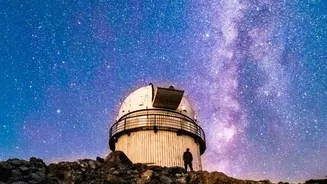
The core mission of the dark sky concept in this region is to ignite a passion for science and astronomy among young people. Similar projects in India, like the recently launched park in Tamil Nadu's Kolli Hills, explicitly aim to create learning hubs for students. A plan for the Udumalaipettai area would follow this successful blueprint. Imagine local schoolchildren, who may have never seen the Milky Way with their own eyes, looking through a telescope for the first time. The plan involves setting up observation points, equipping them with advanced telescopes, and organising regular workshops and stargazing camps. By connecting students with the universe in such a direct and awe-inspiring way, the initiative seeks to foster not just future astronomers, but also a deeper appreciation for science, conservation, and the natural world.
A Blueprint for Conservation and Education
A dark sky initiative near Udumalaipettai would offer a powerful model for how environmental conservation and education can go hand in hand. The benefits extend far beyond stargazing. Reducing light pollution is critical for the health of the Anamalai Tiger Reserve's diverse fauna, much of which is nocturnal and relies on natural cycles of light and dark for navigation, foraging, and mating. Furthermore, it establishes a new form of sustainable tourism, attracting visitors interested in astronomy and nature without the disruptive footprint of commercial development. By making the facility accessible for educational programmes during the day and astronomical observation at night, it becomes a multi-purpose resource for the entire community. This integrated approach strengthens environmental stewardship while creating new opportunities for local livelihoods.