
The Wisdom of Ancient Grains
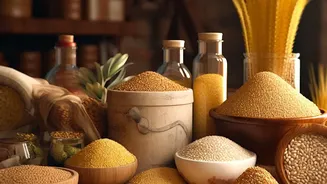
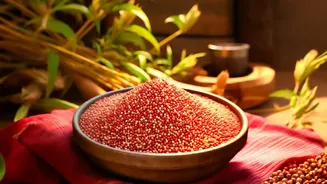
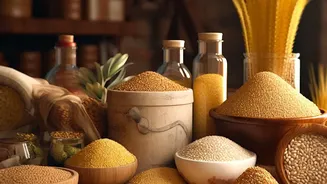
The term 'ancient grains' refers to a group of grains and pseudocereals that have remained largely unchanged for thousands of years. Unlike modern wheat, which has been extensively bred, varieties like quinoa, millet, farro, amaranth, and spelt are closer
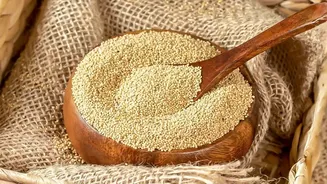
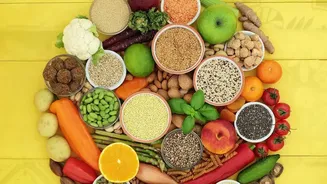
to their original forms. These grains are nutritional powerhouses, often packed with more protein, fibre, vitamins, and minerals than their modern counterparts. For example, quinoa is one of the few plant-based foods that is a complete protein, meaning it contains all nine essential amino acids. Amaranth is also rich in protein. Their robust, nutty flavours and chewy textures add a satisfying depth to any dish, making them a fantastic base for a filling meal.
The Humble Power of Lentils
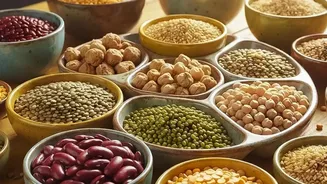
Lentils are one of the oldest cultivated crops and a staple in diets around the globe for good reason. These small but mighty legumes are an excellent source of plant-based protein, with a single cooked cup offering around 18 grams. They are also incredibly rich in dietary fibre, which is crucial for digestive health and promoting a feeling of fullness. Furthermore, lentils are packed with essential micronutrients like folate, iron, zinc, and magnesium. Research has shown that pulses like lentils can offer superior zinc and iron bioavailability compared to some cereal products. With varieties ranging from earthy brown and green to quicker-cooking red and yellow, they are as versatile as they are nutritious.
The Science of Satiety: Why This Combo Works
The magic of combining ancient grains and lentils lies in nutritional synergy. The two primary factors that help us feel full, or satiated, are protein and fibre. Both ancient grains and lentils are rich in fibre, which slows digestion, helps regulate blood sugar, and contributes to a longer-lasting feeling of fullness. But the protein story is even more compelling. Most plant-based proteins are 'incomplete', meaning they lack one or more essential amino acids. Lentils, for instance, are low in the amino acid methionine. Grains, however, are a good source of methionine. By combining them, you create a complete protein profile, providing your body with all the building blocks it needs in one meal. This high-quality protein is highly effective at keeping hunger at bay.
Perfect Pairings: Grains Meet Lentils
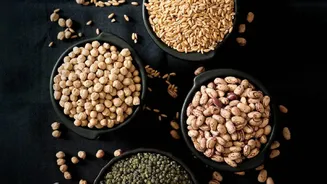
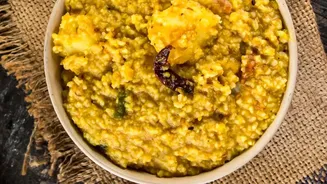
This combination is a cornerstone of traditional cuisines worldwide, from Indian dal with rice to Mediterranean mujadara. The flavour possibilities are endless. The nutty chewiness of farro or barley pairs wonderfully with earthy brown or green lentils. Lighter, fluffier grains like quinoa or millet are a perfect match for soft, creamy red lentils in soups and curries. Don't be afraid to mix and match based on texture and cooking time. A general rule is to pair robust grains with firm lentils for salads and pilafs, and quick-cooking grains with softer lentils for soups, stews, and dals.
Getting Started: Simple Meal Ideas
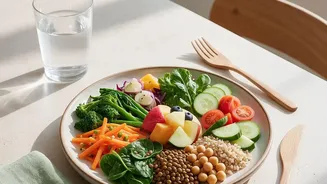
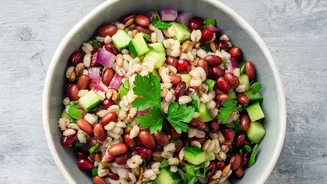
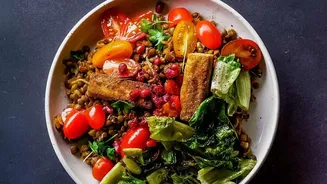
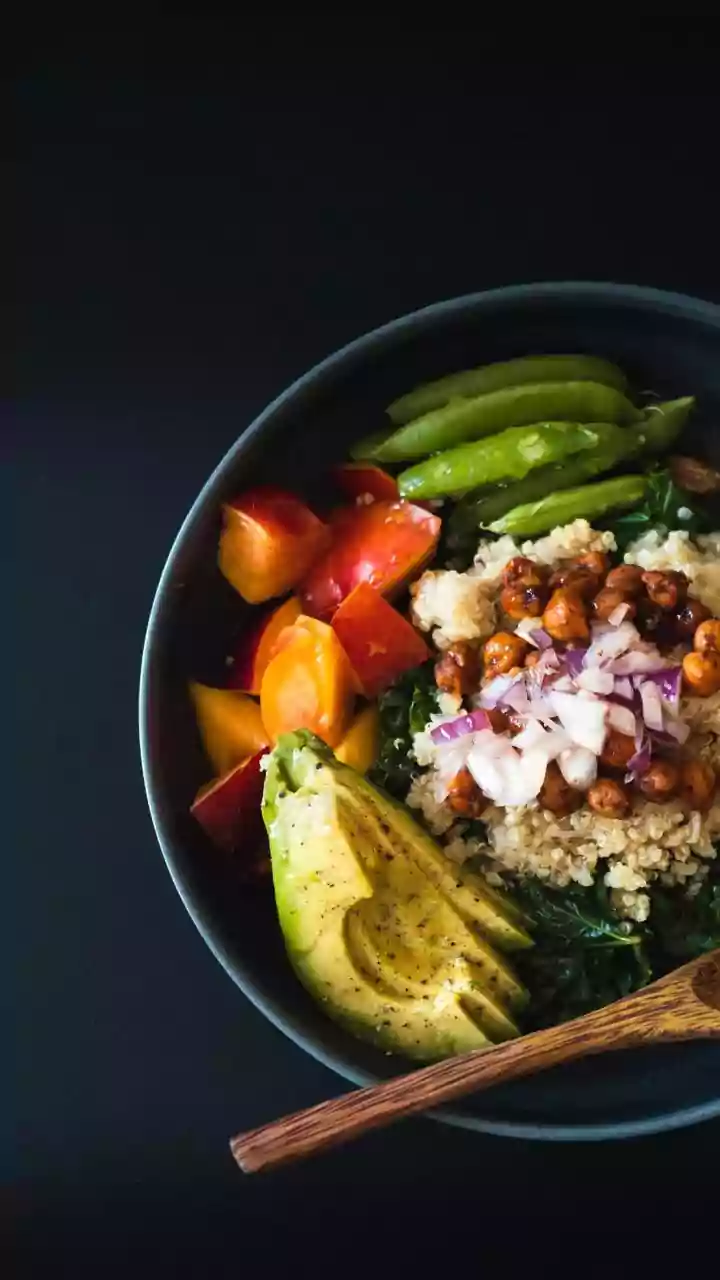
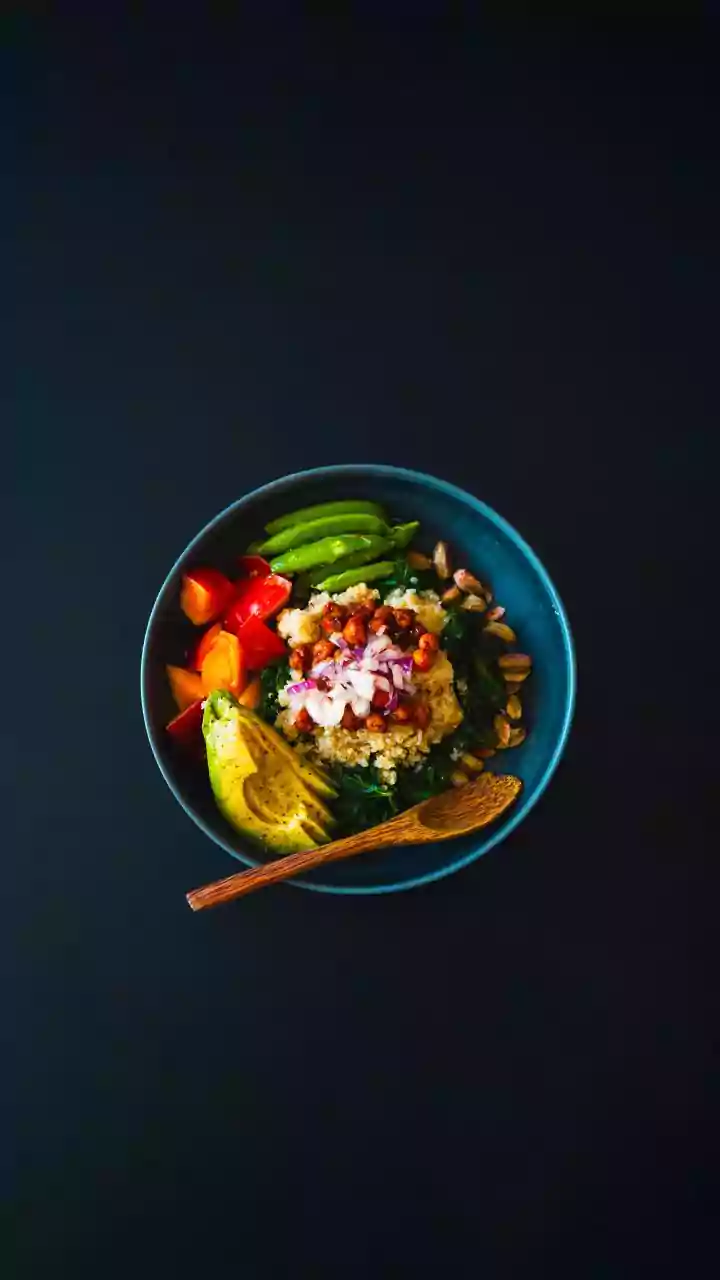
Bringing this combination into your kitchen is simple. Start with a grain bowl: lay down a base of cooked quinoa, top it with seasoned lentils, roasted vegetables, and a flavourful sauce like tahini dressing or hummus. Try making a hearty soup by simmering red lentils with millet, vegetables, and warming spices for a comforting and complete one-pot meal. You can create a Mediterranean-style salad by tossing cooked farro and green lentils with chopped fresh herbs, lemon juice, and olive oil. You can even form the cooked mixture into satisfying veggie burgers or a loaf. The combination provides a hearty, 'meaty' texture that even dedicated carnivores can appreciate.