


Why Variety is Your Best Ingredient
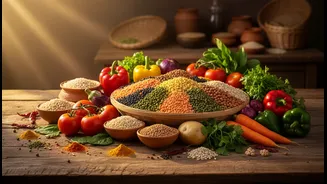
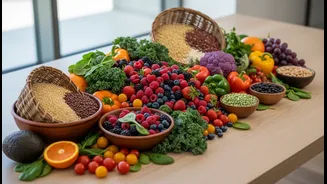
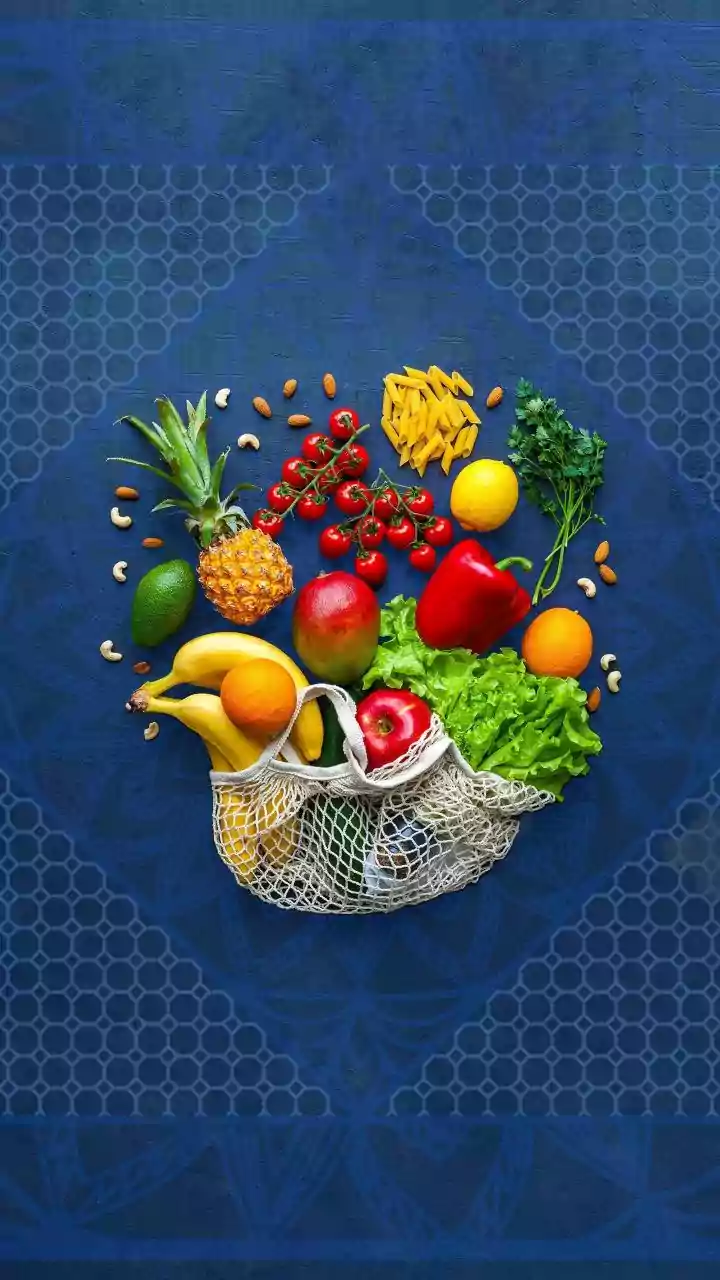
Forget the idea of a single 'superfood' transforming your health. True wellness comes from a dietary pattern rich in variety. When you eat a wide range of foods, you provide your body with a broader spectrum of essential nutrients, vitamins, and minerals
that no single food can offer. This approach has been shown to reduce the risk of chronic conditions like heart disease and type 2 diabetes. The Indian Council of Medical Research (ICMR) updated its Dietary Guidelines for Indians in 2024, emphasizing the need for variety to combat malnutrition and prevent non-communicable diseases. A diverse plate is not just healthier; it also prevents dietary boredom and nourishes the helpful microorganisms in your gut, which are crucial for digestion and overall health.
Grains: The Foundation of Energy
Grains are the cornerstone of Indian meals, from roti in the north to rice in the south. They are our primary energy source. However, the key is to choose whole grains like whole wheat, brown rice, oats, and millets over refined ones like maida or white rice. Whole grains retain their fibre-rich bran and germ, which aids digestion, promotes fullness, and provides a steady release of energy, preventing the slumps associated with refined carbs. Studies have shown that including whole grains in your diet can reduce risk factors for cardiovascular disease and type 2 diabetes. The latest ICMR guidelines suggest that at least 50% of the cereals you consume should be whole grains.
Pulses: The Protein Powerhouses
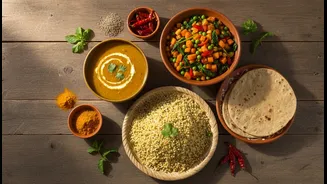
Pulses—the edible seeds from legume plants, like lentils (dal), beans, and chickpeas—are a nutritional treasure. They are an excellent and affordable source of plant-based protein, dietary fibre, vitamins, and minerals like iron and zinc. The high fibre and protein content in pulses helps you feel full for longer, which can aid in weight management. Regular consumption is associated with a reduced risk of many chronic diseases. A particularly powerful aspect of Indian cuisine is the traditional pairing of pulses with grains, such as dal with rice or chana with roti. This combination creates a 'complete protein,' providing all the essential amino acids your body needs, similar to the protein found in meat or eggs.
Vegetables and Fruits: Nature's Protective Shield
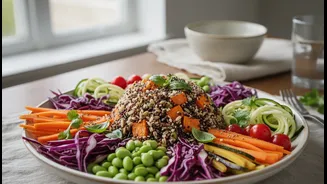
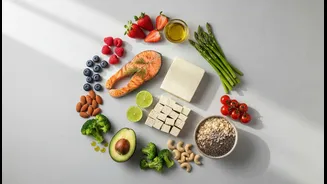
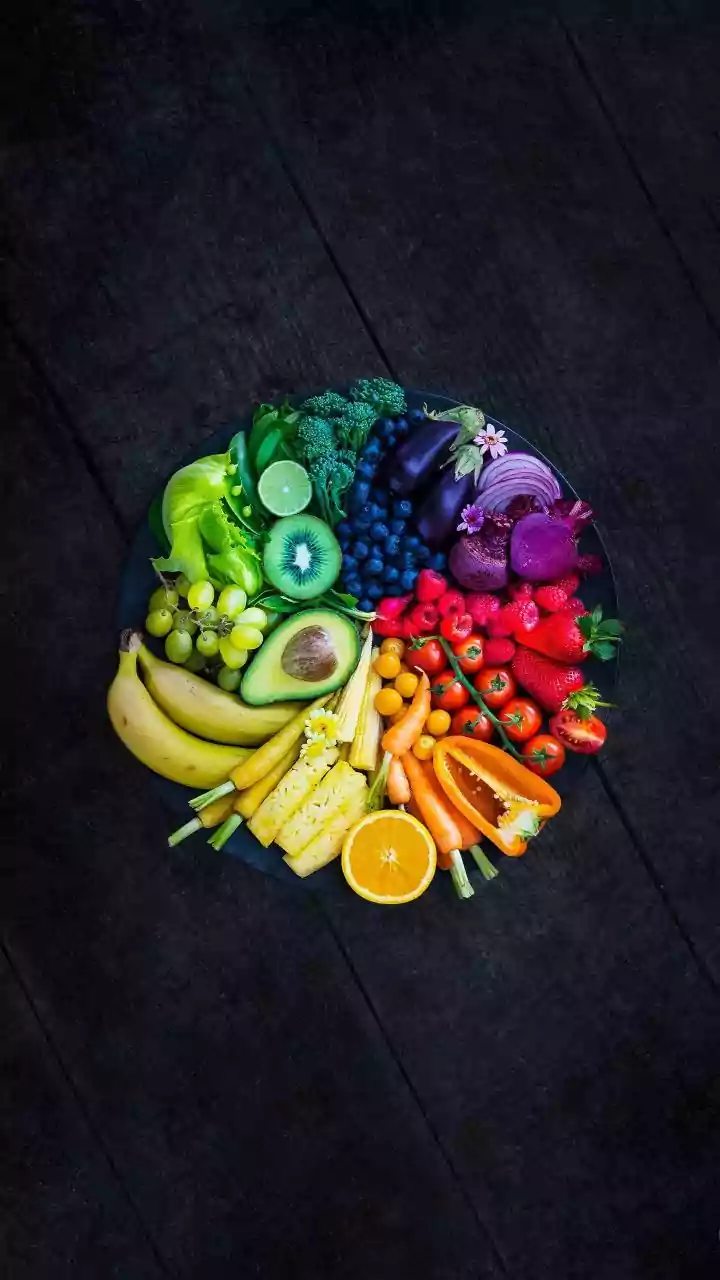
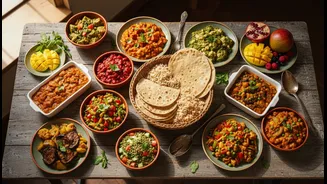
The advice to "eat the rainbow" is based on sound science. The vibrant colours in fruits and vegetables come from natural compounds called phytochemicals, which act as powerful antioxidants. These compounds protect your body's cells from damage and reduce inflammation. Each colour provides a unique set of benefits. For example, red foods like tomatoes contain lycopene, which is good for heart health, while green leafy vegetables are packed with iron and folate. Fruits and vegetables are also packed with fibre and essential vitamins. The ICMR recommends eating plenty of vegetables and legumes to ensure a balanced diet. Aiming for a wide variety of colours on your plate ensures you get a comprehensive mix of these protective nutrients.
Putting It All Together: The Thali Philosophy
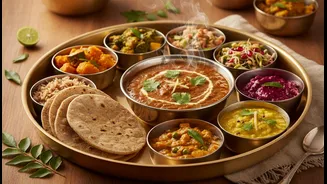
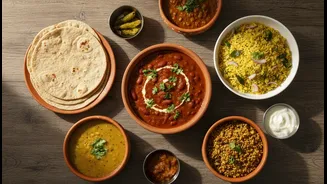
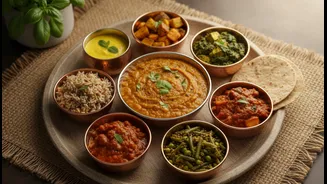
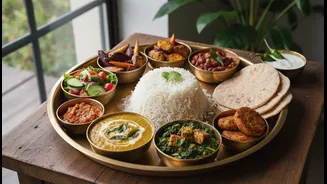
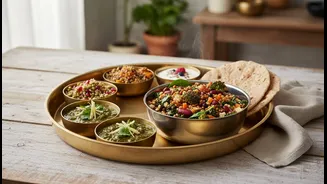
The traditional Indian thali is a perfect real-world example of this balanced approach. A typical thali naturally incorporates all four food groups in one meal. You have whole-grain rotis or rice (grains), a bowl of dal or sambar (pulses), one or two vegetable preparations (sabzi), and often a side of salad or a piece of fruit for dessert. This isn't just a cultural tradition; it's a nutritionally complete and synergistic way of eating. The combination ensures you get a mix of complex carbohydrates for energy, complete proteins for muscle repair, fibre for gut health, and a host of essential vitamins and minerals for protection, all in a single, satisfying meal. Adopting a 'thali mindset' for your daily meals is a simple way to ensure you are building a diverse and healthy eating pattern.