






From Traditional Grains to Processed Plates
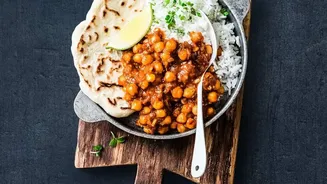
The traditional Indian thali, once rich in diverse grains, pulses, and vegetables, is undergoing a significant transformation. Driven by rising incomes, rapid urbanisation, and the proliferation of global food systems, dietary patterns are shifting. Consumption
of coarse cereals and pulses is declining, while intake of refined grains, fats, sugar, and, notably, ultra-processed foods is on the rise. These convenient, calorie-dense products are no longer confined to urban elites; their availability and aggressive marketing have ensured deep penetration into semi-urban and even rural areas. Data shows that foods like chips, biscuits, and sugary beverages now contribute a significantly higher percentage of daily energy intake in urban areas compared to rural ones, highlighting a clear dietary divergence fueled by modern lifestyles.
The Lingering Shadow of Undernutrition
Despite economic progress, India continues to fight a persistent battle with undernutrition. The latest National Family Health Survey (NFHS-6) shows that while there have been improvements, the numbers remain concerning. Stunting, a measure of chronic undernutrition, has declined from 35.5% to 29.3% among children under five. However, wasting (low weight for height), an indicator of acute malnutrition, shows only marginal improvement, and nearly a third of India's children are still underweight. Furthermore, crucial practices like exclusive breastfeeding have seen a decline, and an astonishingly low percentage of children aged 6-23 months receive an adequate diet, suggesting they may get enough calories but lack essential proteins and micronutrients for healthy development.
A Rising Tide of Lifestyle Diseases
At the other end of the spectrum is a burgeoning crisis of over-nutrition. India is now grappling with what experts call the "double burden of malnutrition," where the challenges of undernutrition coexist with a rapid increase in obesity and non-communicable diseases (NCDs). According to NFHS-6, the proportion of overweight or obese women has jumped from 24% to 30.7%, with a similar increase among men. This is directly linked to the dietary shifts towards processed foods high in fat, sugar, and salt. Consequently, the prevalence of diabetes and hypertension is climbing, with diagnoses rising significantly in both urban and rural populations, creating a new and costly public health challenge for the nation.
A Nation Divided by Diet
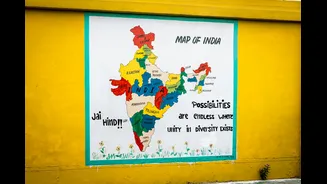
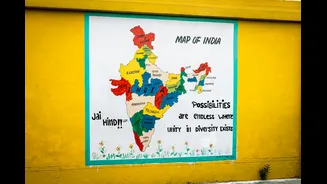
The most critical aspect of India's nutritional challenge is its sheer inequality. The national averages mask stark disparities between states, communities, and income levels. For instance, states like Jharkhand and Bihar continue to report some of the highest rates of child stunting and underweight, reflecting persistent poverty and lack of access. In contrast, more affluent southern states like Kerala and Tamil Nadu, along with urban centres across the country, are witnessing the highest rates of obesity and diabetes. This creates a paradox where the poorest households struggle with nutritional deficiencies from cereal-heavy diets, while middle and upper-income groups face the risks of over-consumption and lifestyle diseases. This geographic and socioeconomic clustering of malnutrition means that effective solutions must be highly targeted rather than one-size-fits-all.