






From Family Kitchens to Cafe Counters
For generations, drinks like Chaas (spiced buttermilk), Sol Kadhi, and Kanji were staples in Indian households, long before 'probiotics' became a wellness buzzword. Chaas, a light, yoghurt-based drink, is a fixture in many parts of the country for its
digestive properties. Sol Kadhi, from the Konkan coast, uses kokum and coconut milk to create a soothing, cooling concoction. And then there's Kanji, a tangy, fermented drink from North India typically made with black carrots and mustard seeds, traditionally prepared in winter but enjoyed as temperatures rise. These beverages weren't just for quenching thirst; they were functional foods, designed to aid digestion, cool the body, and provide essential nutrients using local, seasonal ingredients.
The Global Gut Health Obsession Arrives Home
The resurgence of these drinks is perfectly timed with a global and local wellness movement centered on gut health. Modern science now confirms what Indian grandmothers knew all along: fermented foods are rich in beneficial bacteria that support digestion, immunity, and overall well-being. As consumers become more aware of the gut microbiome's role in health, there's a growing appetite for natural, food-based solutions over supplements. The Indian gut health market is booming, with projections showing significant growth as awareness spreads. This has created the perfect environment for traditional drinks, reframing them as 'natural probiotics' and 'functional foods' for a new generation.
A Shift Towards Mindful Consumption
The post-pandemic era has intensified a focus on immunity and a 'back-to-roots' ethos. Many urban consumers are turning away from sugary, processed beverages in favor of healthier, more mindful choices. This trend is not just about avoiding the bad but actively seeking out the good. Traditional drinks fit this need perfectly. They are natural, often low in sugar, and packed with health benefits. This shift is especially pronounced among younger demographics who are actively seeking functional beverages that offer more than just refreshment. They want drinks with a story, a purpose, and a connection to wellness.
The Modern Makeover
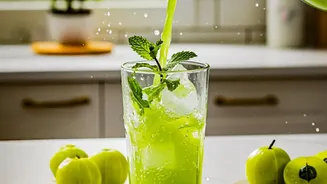
What makes this trend truly fascinating is how these humble drinks are being re-imagined. This isn't just about serving Chaas in a glass; it's about innovation. Cafes and restaurants in metro cities are giving these drinks a contemporary twist, presenting them in stylish glassware and experimenting with new flavor combinations. You might find Kanji served as a welcome shot in a fine-dining restaurant, used as a base for a cocktail, or even turned into a granita. Some brands are bottling these drinks, making them convenient for urban consumers who lack the time for traditional preparation methods. This revival is also about cultural pride—choosing a homegrown Kanji over an imported kombucha signifies a growing confidence in India's own culinary heritage.