




Beyond the Kitchen: What is 'Slow Food'?
Let’s get one thing straight: Slow Food isn’t just about cooking a dal for hours on low heat. It’s a comprehensive philosophy, a global movement that began in Italy in 1986. Founder Carlo Petrini started it as a protest against a McDonald's opening near
the Spanish Steps in Rome. He envisioned a world where everyone could enjoy food that is good, clean, and fair. 'Good' refers to food that is delicious, seasonal, and part of our local culture. 'Clean' means it is produced in a way that respects the environment, animal welfare, and our health. And 'Fair' ensures that producers and farmers receive fair compensation for their work, and consumers pay an accessible price. At its heart, it’s a powerful argument against the standardisation of taste and the damaging effects of the fast-food industry and industrial agriculture. It champions biodiversity, culinary tradition, and the simple pleasure of a good meal.
India's Deep-Rooted Connection
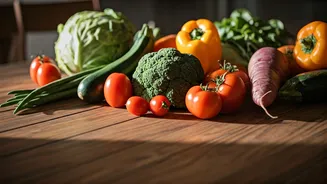
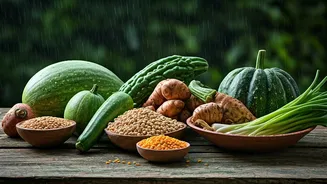
For many in India, the principles of Slow Food aren't a new trend but a return to the wisdom of our grandparents. Our culinary heritage is built on seasonal produce, regional specialities, and agricultural practices tied to the land for centuries. From the pickles made in summer to last the year, to the hyperlocal vegetables that only appear in certain markets for a few weeks, we have an innate understanding of eating with the seasons.
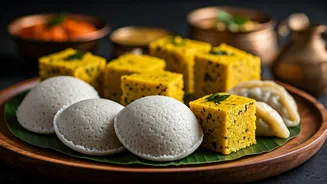
The movement finds a natural home here, not as an imported Western concept, but as a framework for preserving what we already have. It encourages us to look closer at the ingredients on our plate—to ask where our vegetables came from, who grew our rice, and what makes a particular dish from our region so unique. It’s a validation of the knowledge that has been passed down through generations, now threatened by the homogenising force of a globalised food system.
Saving Heritage on the 'Ark of Taste'
One of Slow Food’s most fascinating projects is the 'Ark of Taste,' a living catalogue of endangered heritage foods from around the world. It’s a metaphorical lifeboat for unique plant varieties, animal breeds, and traditional food products at risk of disappearing. India, with its incredible biodiversity, has numerous entries on this list. Think of the delicate Kuttiattoor mango from Kerala, with its distinct fragrance and flavour, or the robust Banni buffalo of Gujarat, whose milk is prized for its richness. The Ark also includes processed products like the vivid red rice from West Bengal, known as 'Radhatilak.' By identifying and promoting these foods, the Slow Food movement helps create a market for them, giving farmers an incentive to continue growing them and preserving a vital piece of our agricultural and cultural heritage.
How You Can Join the Movement
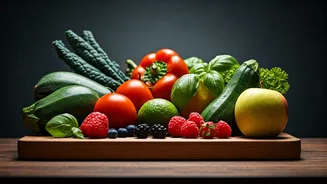
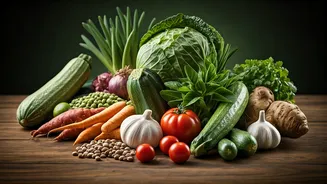
Participating in the Slow Food movement doesn't require a dramatic lifestyle overhaul. It starts with small, conscious choices. It’s about choosing to shop at a local farmers' market instead of a supermarket, trying a new-to-you indigenous vegetable, or taking the time to learn a traditional family recipe. It’s about being curious—asking questions about your food's origin and celebrating the stories behind it. In several Indian cities, local chapters called 'convivia' bring together chefs, farmers, and conscious eaters to host events, workshops, and markets. These groups are the grassroots engine of the movement, making the global philosophy feel personal and accessible. By supporting these local ecosystems, you directly contribute to a cleaner, fairer food system.
Why 2026 is the Year to Watch
So, what’s the big deal about 2026? Every two years, the global Slow Food community gathers in Turin, Italy, for Terra Madre Salone del Gusto—a massive festival that brings together food producers, chefs, and activists from over 150 countries. It’s a vibrant celebration of food diversity and a crucial platform for planning the movement's future. The next one is in 2024, which means the one after, in 2026, will mark another major global pulse-check. In a post-pandemic world where supply chains, health, and sustainability are on everyone's mind, the 2026 gathering is poised to be a landmark event. It will signify the culmination of renewed energy and a collective global desire to build a more resilient and equitable food future, with its echoes felt strongly here in India.