




The Tradition-Versus-Time Conundrum
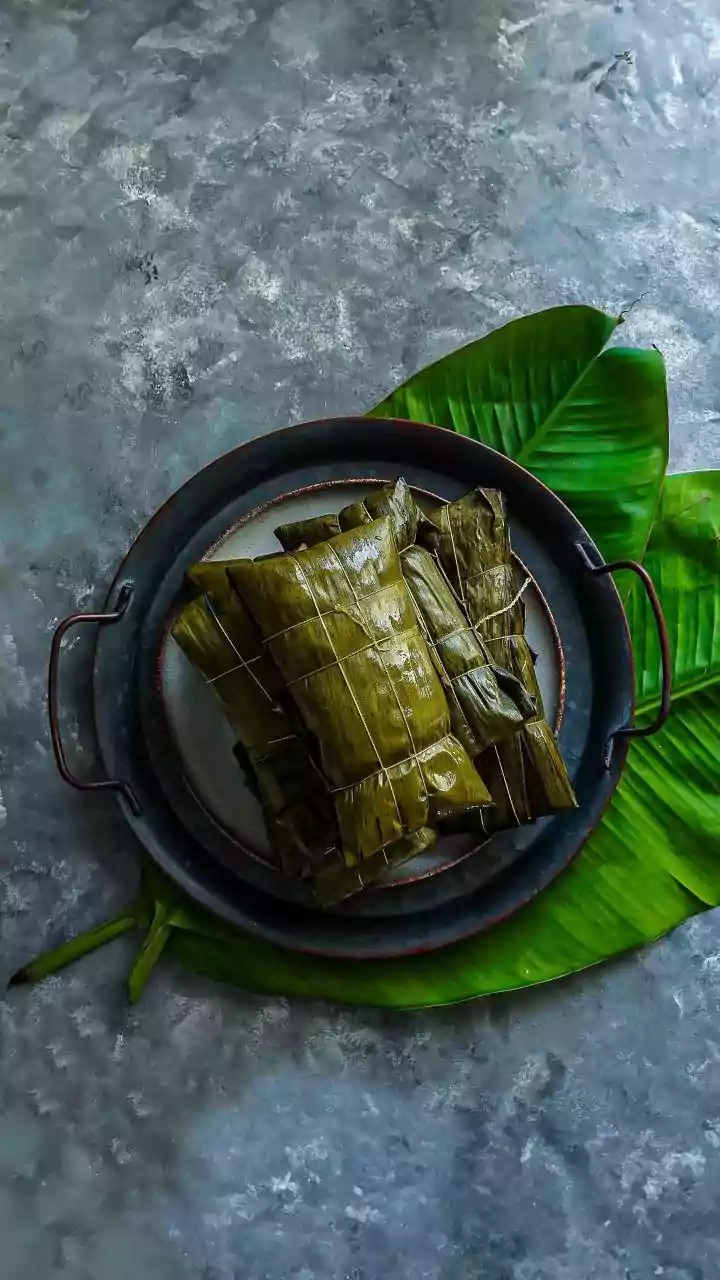
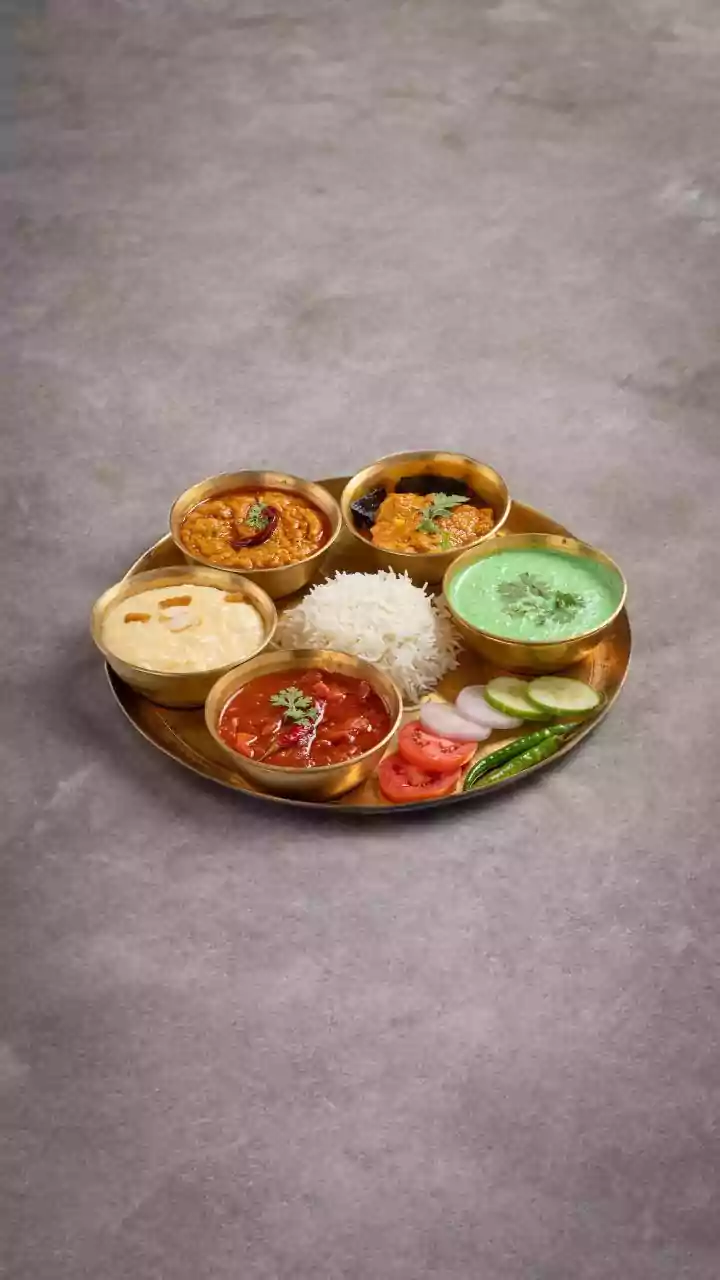
There is an undeniable magic to a leisurely South Indian meal. The ritual of sitting down to a banana leaf sadhya or waiting patiently as a paper-thin dosa is prepared to perfection is a cherished cultural experience. But in our fast-paced world, this
traditional format often relegates these dishes to weekend treats or special occasions. The modern Indian consumer, especially in bustling urban centres, is increasingly time-poor. The explosive growth of India's quick-service restaurant (QSR) market, driven by rising incomes and a demand for convenience, shows a clear shift in dining habits. While burgers, pizzas, and wraps have adapted, our own rich culinary staples are getting left behind in the race for speed.
Debunking the 'Slow Food' Myth
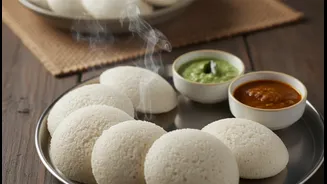
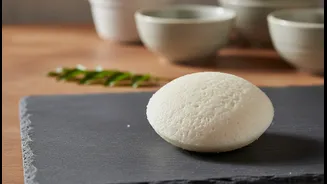
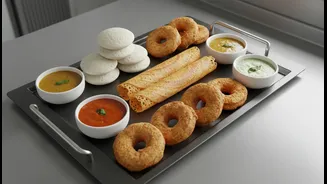
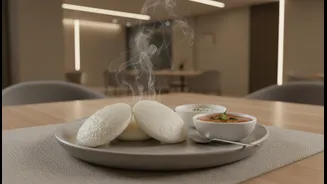
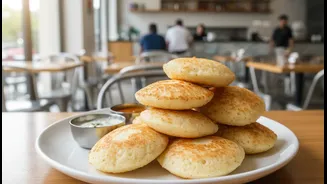
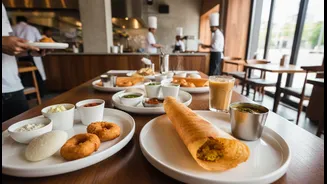
The perception that all South Indian food is inherently slow and complex is a myth. While dishes like a rich Chettinad curry require patience, the foundations of the cuisine are built for speed. Think of the 'tiffin' culture: idli, vada, and pongal are classic quick bites. The iconic 'darshini' restaurants of Bengaluru have perfected the art of serving thousands of customers a day with remarkable efficiency, a model that is essentially a precursor to modern fast-casual dining. The key lies in preparation. Batters can be made in central kitchens to ensure consistency, and many accompaniments like chutneys and podis have a long shelf life. The assembly-line model that works for international chains can be brilliantly applied to a cuisine that is often about combining a few core elements in delicious ways.
An Untapped Commercial Goldmine
The Indian QSR market is projected to grow into a multi-billion dollar industry by the end of the decade. Yet, it is dominated by international flavours or their Indianized versions. This presents a massive opportunity for homegrown concepts. Consumers are actively seeking healthier, more diverse, and authentic food options. South Indian cuisine, with its emphasis on fermented grains, lentils, and fresh vegetables, is perfectly positioned to meet this demand. Chains like Saravana Bhavan and Sagar Ratna have proven the national and even global appeal of the food, but few have cracked the code for a truly scalable, grab-and-go format. Innovators who can blend authentic taste with modern efficiency stand to capture a loyal and underserved market.
Thinking Beyond the Dosa
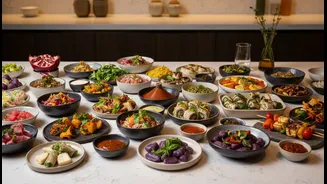
A successful South Indian QSR needs to think beyond the holy trinity of idli, vada, and dosa. The sheer diversity of the cuisine offers a treasure trove of possibilities. Imagine quick-serve counters offering steaming bowls of bisibelebath or lemon rice, grab-and-go pots of curd rice, or hot, flaky kothu parotta chopped up and ready in minutes. Snack items like paniyaram, bondas, and various sundals are perfect for on-the-go consumption. By focusing on a curated menu of these inherently fast dishes, a restaurant can offer variety and speed without compromising on flavour. This approach would also help educate a wider audience about the true breadth of South Indian food, moving past outdated stereotypes.
The Blueprint for a Modern South Indian QSR
What would it take to succeed? First, a ruthless focus on a streamlined menu that can be executed quickly and consistently. Second, leveraging technology: centralised kitchens for quality control, and self-service kiosks and efficient delivery integration to manage high volumes. Third, smart branding is crucial. The atmosphere should feel modern, clean, and vibrant, making it clear that this isn't just another traditional canteen. It's about respecting the heritage of the food while presenting it in a format that fits the contemporary lifestyle. Brands like Vaango and Idli Street are already making strides in this direction, proving that speed and soul can coexist.