





More Than Just Time: The Real Benefits
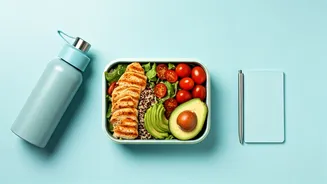
The most obvious advantage of lunch prep is saving time during a hectic week. [17] But the benefits run much deeper. By planning your meals, you gain complete control over your ingredients and portion sizes, which is crucial for weight management and overall
health. [3, 6, 17] This foresight helps you avoid unhealthy, last-minute takeaway options or high-calorie snacks from the office canteen. [8, 16] You'll also save a significant amount of money that would otherwise be spent on daily food purchases. [6, 17] Furthermore, planning meals reduces food waste because you buy only what you need. [6] Perhaps most importantly, it eliminates the daily stress of figuring out what to eat, freeing up mental space for more important tasks. [3, 16]
How to Start: A Beginner’s Game Plan
Getting started with meal prep doesn't have to be overwhelming. The key is to start small. [4] First, choose a consistent day for your prep, like a Sunday afternoon, when you have a few hours to spare. [1] Then, decide on a few simple recipes for the week. [1] Focus on meals with a limited number of ingredients that you're already comfortable making. [14] Your initial goal could be to prepare just two or three lunches for the week ahead, rather than all five. [3, 7] Create a detailed shopping list based on your chosen recipes to ensure you have everything you need. When you start prepping, focus on tasks that take the longest first, such as cooking grains like brown rice or millets, and preparing proteins like dals or chicken. [2, 3]
The Component Prep Method: Beat the Boredom
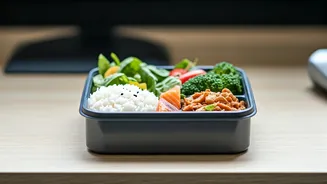
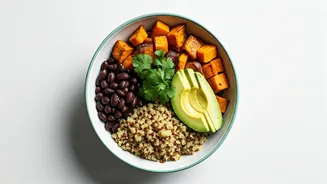
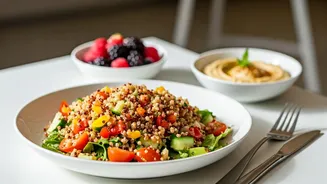
One of the biggest complaints about meal prep is the monotony of eating the same meal every day. [12, 19] A flexible strategy to avoid this is 'component prepping'. [5] Instead of making five identical meals, you prepare a variety of individual ingredients that can be mixed and matched throughout the week. [18] For example, you can cook a large batch of quinoa, grill some paneer or chicken, roast a tray of mixed vegetables, and whip up a versatile chutney or dressing. [2] Each morning, you can assemble these components in different combinations. One day might be a quinoa bowl with roasted vegetables, while the next could be a paneer salad with a zesty dressing. [19] This method keeps lunches interesting and adaptable to your daily cravings. [12]
Smart Indian Lunch Prep Ideas
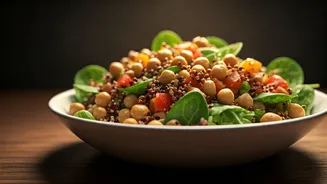
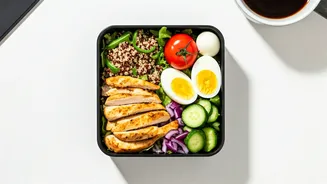
Indian cuisine is wonderfully suited for meal prepping. A balanced lunch box should ideally contain a source of quality protein, a slow-releasing carbohydrate, and plenty of vegetables. [2] You can prepare a base gravy, like a simple onion-tomato masala, and use it throughout the week to quickly make different curries with paneer, chickpeas (chole), or kidney beans (rajma). [15] Lemon rice, pulao, or different millet dishes like upma can be cooked in advance and stored. [2, 9] Pair these with a side of stir-fried vegetables or a simple dal. Other great options include prepping sambar to have with idlis or rice, or making a batch of pav bhaji which often tastes even better the next day. [15] For a no-cook option, a salad with sprouted lentils and chopped veggies is a quick and nutritious choice. [9]
Tips for Storage and Freshness
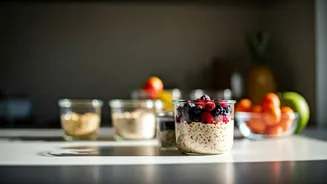
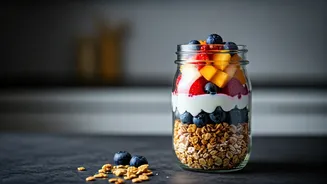
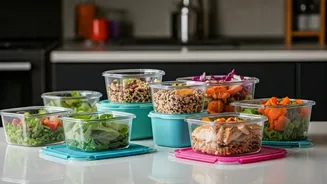
Proper storage is essential to ensure your prepped meals stay fresh and appetizing. Always allow food to cool completely before packing it into airtight containers to prevent sogginess. [2] Glass containers are a great investment as they are durable and microwave-safe. [7] To keep textures appealing, store wet and dry ingredients separately. For instance, pack dressings, sauces, or curries in small, separate containers to be added just before eating. [7, 18] Labeling your containers with the date can help you keep track of freshness. [3] Most prepped meals will last for 3-4 days in the refrigerator. For anything you plan to eat later in the week, the freezer is your best friend. [18, 23]