



The Unifying Rules of the Vrat
Before diving into the differences, it's important to understand the common ground. Navratri fasting, or 'vrat', is guided by sattvic principles, which favour pure, light foods that calm the mind for prayer. This generally means abstaining from grains
like wheat and rice, lentils, onions, garlic, eggs, and meat. Instead, a specific pantry of ingredients is permitted, and regular table salt is swapped for 'sendha namak' (rock salt). It is from this limited but versatile list of ingredients that a surprising amount of culinary creativity emerges, shaped by local tastes and agricultural realities.
North India: Hearty and Robust Fare
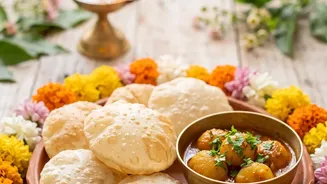
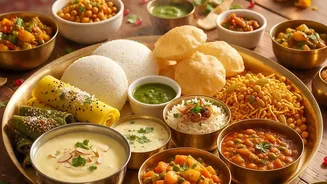
In North India, including Punjab, Delhi, and Uttar Pradesh, the fasting diet is wholesome and designed to provide sustained energy. The key players here are pseudo-grains like 'kuttu ka atta' (buckwheat flour) and 'singhare ka atta' (water chestnut flour). These are used to make staples like Kuttu ki Puri (deep-fried bread) and parathas. Another crucial ingredient is 'samak ke chawal' (barnyard millet), which serves as a rice substitute in dishes like Samak Pulao or khichdi. The Northern vrat thali is often centred around potatoes, prepared as a simple 'Aloo Jeera' or a creamy 'Dahi Aloo' (potatoes in a yogurt gravy) to be scooped up with the puris. Paneer and other dairy products like curd and lassi are also heavily featured, adding richness and protein to the meals. The flavours are predominantly savoury, comforting, and robust.
West India: A Symphony of Textures
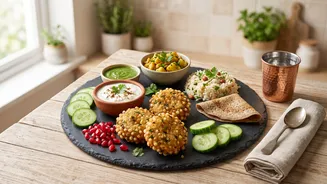
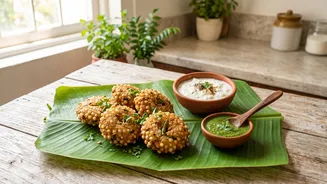
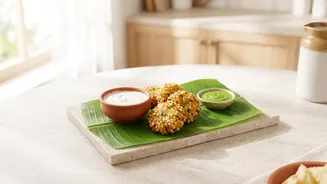
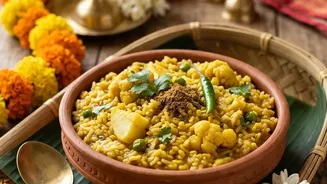
Travel to the western states of Gujarat and Maharashtra, and the fasting menu, known as 'farali' food, transforms. Here, the undisputed star is 'sabudana' (tapioca pearls). Maharashtrian households master the art of Sabudana Khichdi, a fluffy and savoury dish made with soaked tapioca, crushed peanuts, potatoes, and mild spices. Sabudana Vada, a crispy fried patty, is another beloved snack. In Gujarat, the flavour profile often incorporates sweet and tangy notes. You'll find dishes like Farali Pattice, which are potato patties stuffed with a sweet and spicy mixture of coconut and nuts. The go-to flours in the West are often 'rajgira' (amaranth) and 'singhara' (water chestnut), used for making puris and the Maharashtrian pancake, 'thalipeeth'. Peanuts are a dominant ingredient, used whole or ground to add texture and flavour to almost every dish.
Why the Culinary Divide?
The differences in Navratri cuisine are not random; they are deeply rooted in regional agriculture, climate, and palate. The prevalence of kuttu (buckwheat) in the North is linked to its cultivation in the cooler, hilly regions of the Himalayas. It provides the warmth and density needed in the Northern climate. In contrast, sabudana, derived from the cassava root, is more suited to the warmer climates of Western and Southern India. The liberal use of peanuts in Gujarat is a direct reflection of it being a major crop in the region. Furthermore, the local taste profiles play a significant role. Gujarati cuisine is famous for its delicate balance of sweet, sour, and spicy flavours, a characteristic that extends to its farali dishes. The robust, dairy-rich food of the North mirrors its traditional diet, which is heavily influenced by its agrarian and pastoral heritage.