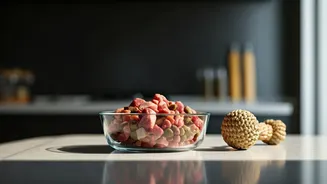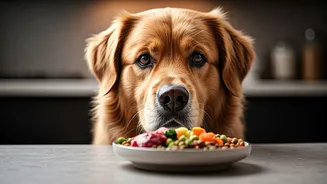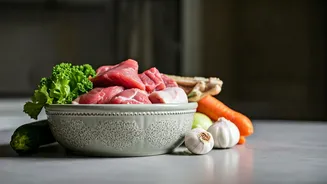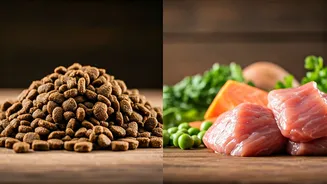





What Exactly Is a Raw Food Diet?
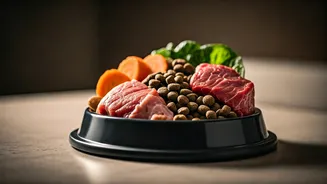
A raw food diet, often known by the acronym BARF (Biologically Appropriate Raw Food), is based on feeding dogs uncooked ingredients. The philosophy is to mimic the diet of canines in the wild. A typical raw meal consists of raw muscle meat, raw edible
bones, organ meats like liver and kidney, and sometimes small amounts of fruits, vegetables, and supplements. Proponents believe this is what a dog's digestive system is fundamentally designed for, arguing that processed foods are a recent and less optimal addition to their diet.
The Reported Benefits: Why Owners Make the Switch
Many dog owners who switch to a raw diet report seeing significant positive changes. The most commonly cited benefits include a shinier, healthier coat and skin, often due to the high-quality proteins and fatty acids in raw meat. Another frequent observation is improved dental health, as chewing on raw, edible bones can help scrape away plaque and tartar. Fans of the diet also mention increased energy levels, better digestion, and smaller, less odorous stools, which suggests the dog's body is absorbing more nutrients from its food.
The Debate: Risks and Veterinary Concerns
Despite the glowing anecdotes, major veterinary bodies like the American Veterinary Medical Association (AVMA) generally discourage feeding raw food due to significant health risks. The primary concern is bacterial contamination. Raw meat can harbor dangerous pathogens like Salmonella, E. coli, and Listeria, which pose a threat not only to the dog but also to the humans handling the food. Another major risk is nutritional imbalance. Crafting a diet that meets a dog's specific needs for vitamins and minerals, like the crucial calcium-to-phosphorus ratio, is difficult and can lead to health problems if done incorrectly. Finally, there's the physical danger of bones, which can cause choking, broken teeth, or internal punctures.
The Indian Context: Unique Challenges
In India, the raw feeding debate has additional layers of complexity. Sourcing high-quality, safe meat can be a challenge. The meat supply chain, especially from local butchers, often lacks consistent refrigeration (a reliable cold chain), increasing the risk of bacterial growth in the country's warm climate. Furthermore, concerns about the use of hormones or antibiotics in commercially raised poultry and other livestock add another layer of worry for pet parents trying to source clean ingredients. These factors mean the risk-to-benefit ratio for a homemade raw diet in India can be significantly higher if not managed with extreme care.
Building a Balanced Raw Meal: A Basic Blueprint
If you decide to proceed after consulting a vet, balance is non-negotiable. A widely accepted guideline for a raw meal is to aim for a specific ratio. A common model suggests a diet comprising approximately 70-80% muscle meat, 10% raw edible bone, 5% liver, and 5% other secreting organs (like kidney). Some models also include a small percentage of dog-safe vegetables and fruits for fibre and nutrients. As a general rule, adult dogs are often fed 2-3% of their ideal body weight daily, but this can vary based on age and activity level.
Sample Raw Meals for an Indian Canine
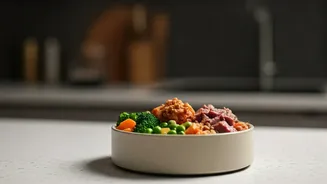
When preparing raw meals in India, it's best to stick to easily available and reliable ingredients. Here are a couple of basic ideas: 1. Simple Chicken Bowl: Start with a base of minced or chopped chicken (muscle meat). Add a small portion of ground chicken necks or wings for the bone content (always raw, never cooked). Include a small piece of chicken liver. For a vegetable component, you can add a spoonful of pureed pumpkin (kaddu) or grated carrots. A pinch of turmeric can also be a healthy, anti-inflammatory addition. 2. Mutton and Egg Mix: Use minced mutton (goat meat) as the primary protein. Instead of bone, you could occasionally use finely crushed eggshells for calcium, though this requires careful measurement. Mix in a small piece of mutton liver and a raw egg. For vegetables, steamed and mashed bottle gourd (lauki) or spinach can be included. Always ensure any meat is fresh and has been stored hygienically.