



The Nutritional Showdown
When it comes to nutrition, these three snacks serve different purposes. A 100-gram serving of plain makhana (fox nuts) contains about 347 calories, a significant 9.7 grams of protein, and 14.5 grams of fibre, with almost no fat. This makes it a high-volume,
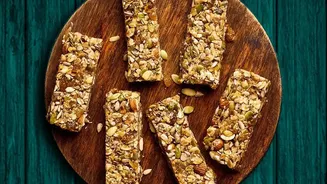
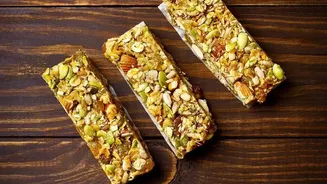
low-calorie option. By contrast, 100 grams of almonds are much more calorie-dense at around 579 calories, but they pack a powerful 21 grams of protein and about 50 grams of healthy fats. Walnuts offer slightly fewer calories and protein than almonds but are a superior source of omega-3 fatty acids. Protein bars are designed for a specific job: delivering protein. A typical bar can offer 20-30 grams of protein per 100g serving. However, their calorie counts can be similar to makhana, and their overall nutritional quality varies wildly depending on the brand and ingredients.
The Convenience Factor
In today’s busy world, convenience is king. Protein bars are the clear winner for on-the-go fuel. They are pre-packaged, have a long shelf life, and can be easily stashed in a gym bag, office drawer, or car. Nuts are also highly portable and require no preparation. You can buy them roasted or raw and portion them out for the week. Makhana is equally convenient, though it takes up more space due to its light, airy volume. Plain roasted makhana is ready to eat, but it truly shines when roasted at home with a sprinkle of ghee and spices, which adds a small preparation step. For pure grab-and-go efficiency, protein bars lead, followed closely by nuts and then makhana.
The Hidden Costs and Real Value
The cost of snacking can add up, and these three options occupy different price points in the Indian market. Makhana is often the most budget-friendly choice for a daily snacking habit, especially when purchased in larger quantities and prepared at home. Nuts, particularly high-quality almonds and walnuts, are generally considered a premium snack and can be significantly more expensive per gram. Protein bars often carry the highest cost per serving. While they offer a concentrated dose of protein, you're also paying for processing and branding. Many bars are also filled with ingredients that might not be as healthy as they seem, which brings us to the next point.
Health Halos and Hidden Traps
Every snack has its pros and cons. Makhana is celebrated for being low in fat, gluten-free, and rich in antioxidants and minerals like magnesium and potassium. Its low glycemic index helps regulate blood sugar. However, store-bought flavoured versions can be high in sodium, and overconsumption might lead to digestive issues like constipation. Nuts are praised for their heart-healthy fats, vitamin E, and ability to keep you full. The main pitfall is their calorie density; it's very easy to overeat them. Protein bars have the most significant potential for hidden traps. Many are marketed as healthy but are essentially candy bars in disguise, loaded with added sugars, sugar alcohols, artificial sweeteners, and highly processed fillers. It's crucial to read the ingredient list carefully, as some bars contain more sugar than a donut and use ingredients like maltodextrin that can spike blood sugar.
The Verdict: Which Snack for When?
There is no single “best” snack; the right choice depends entirely on your goal. For guilt-free, high-volume snacking, especially in the evenings or while watching a movie, makhana is an excellent choice due to its low calorie and fat content. If you need sustained energy and lasting fullness between meals, a small, controlled portion of nuts is ideal, providing healthy fats and a good dose of protein. A high-quality, low-sugar protein bar is most appropriate for post-workout recovery when your body needs a quick and convenient dose of protein to repair muscle tissue. For general office snacking, makhana is often a superior choice as it's lighter and less likely to lead to a calorie surplus.