







The Rise of the Solo Diner
Not long ago, asking for a “table for one” felt like an admission of loneliness. Today, it’s a declaration of independence. This shift is powered by profound social changes, especially in urban India. Rising individualism, flexible work hours, and the
decision to marry later mean more people are comfortable with their own company. Younger generations, in particular, are driving this trend, viewing solo dining as a form of self-care and a way to explore new culinary scenes on their own terms. Social media has also played a huge role, transforming solitary meals into aspirational content. What was once a source of social anxiety is now a mark of confidence and a quiet act of personal rebellion in a hyper-connected world. For many, it's a chance for an uninterrupted, mindful meal—a rare luxury in a busy life.
From Awkward Corner to Prized Seat
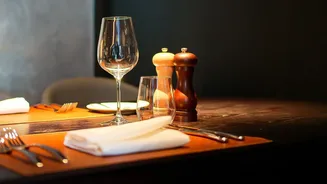
Restaurants are finally catching on, realizing that the solo diner is not an inconvenience but a valuable and growing customer base. The clumsy response of offering a poorly placed small table is being replaced by thoughtful design. The most significant change is the rise of alternative seating formats. Bar and counter seating are no longer just for drinks; they are prime spots for single diners to watch chefs at work and engage with staff. High-end restaurants like Indian Accent in New Delhi have designed entire chef's counters specifically for this experience, making the solo seat the best in the house. Communal tables are another popular solution, offering a sense of inclusion without forced interaction. Even smaller cafes are creating cosy nooks, window-facing perches, and intimate corners that make dining alone feel comfortable and intentional, not isolating.
A Table for One, by Choice
The psychology behind choosing to eat alone is shifting from perceived loneliness to chosen solitude. For many, it's about reclaiming personal time and space. Dining solo allows for a more mindful and immersive experience, where one can focus entirely on the food's flavours and textures without the distraction of conversation. It’s an act of self-reliance, proving that one doesn't need external validation to enjoy a public experience. In fact, psychological research suggests that the ability to comfortably eat alone in public is a quiet sign of self-confidence and emotional independence. It offers complete control over the experience—what to eat, how fast to eat, and when to leave. Rather than a sign of having no one to eat with, it is increasingly seen as a conscious choice to connect with oneself.
The Indian Urban Dining Scene
In Indian metro cities, this global trend has found a unique flavour. Cafes have long been havens for solo patrons, but now, even fine-dining establishments are adapting. In cities like Delhi, Mumbai, and Bengaluru, restaurants are introducing tasting menus and smaller portions specifically for single diners, allowing them to sample multiple dishes without over-ordering or feeling awkward. Some outlets in Delhi and Mumbai offer card games or books to entertain their solo guests. The shift is particularly empowering for women, for whom dining alone in public has often been a fraught experience tied to questions of safety and social judgment. As more women embrace solo dining as an act of independence, spaces are slowly becoming more welcoming. According to Zomato data, solo diners in India also tend to spend more per person than groups, making them a commercially attractive segment that restaurants can no longer afford to ignore.