







A New Gateway to the Northeast
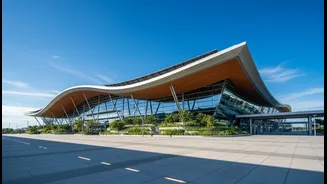
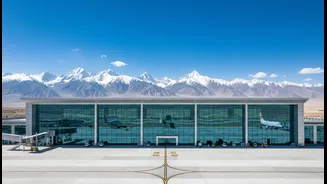
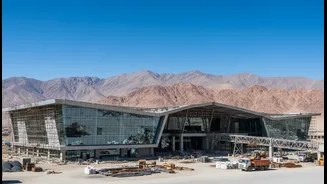
The recently operational terminal at Guwahati's airport represents a monumental leap in capacity and ambition. Inaugurated in December 2025 and starting full commercial operations in February 2026, the facility boosts the airport's annual passenger handling
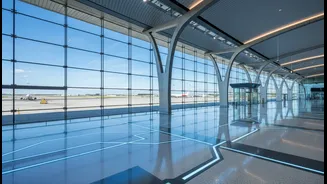
capacity to over 13 million. This modern terminal is equipped with advanced systems like DigiYatra-enabled processing, expanded check-in counters, and improved baggage handling to streamline the passenger experience. Designed with a unique aesthetic inspired by local motifs like bamboo and the kopou phool (foxtail orchid), the building itself is a nod to Assam's cultural and natural heritage. Managed by Adani Airport Holdings Ltd, this expansion is a cornerstone of the central government's Act East policy, aiming to better integrate the Northeast's economy with the rest of India and Southeast Asia.
The Economic Engine is Starting
The expanded commercial operations are about much more than just passenger flights. A significant focus is on enhancing air cargo capabilities, creating a more efficient channel for Assam’s unique products to reach national and global markets. Industries like premium tea, horticulture, and handicrafts stand to gain immensely from the improved logistics. Furthermore, the state-of-the-art terminal is expected to provide a major boost to tourism, making the entire Northeast more accessible and attractive to both domestic and international visitors. The Assam government and airport operators envision the facility driving investment, creating thousands of direct and indirect jobs, and even fostering new sectors like medical tourism by providing easier access to Guwahati's advanced healthcare facilities for people from neighbouring regions and countries.
Challenge 1: The Last-Mile Gridlock
A world-class airport is only as effective as the transportation network that feeds it. With the potential for millions more passengers and vehicles converging on the airport, the existing road infrastructure faces an immense stress test. Without proactive planning, the roads leading to and from the airport could become perennial bottlenecks, undermining the new terminal's efficiency. Plans for an elevated corridor from the airport to Jalukbari are in discussion, but their timely execution is critical. For local taxi drivers, the expansion brings both hope for more business and anxiety about competition from app-based services and issues like high parking fees, highlighting the need for a transport plan that integrates traditional livelihoods with modern logistics. An effective multi-modal transport strategy, potentially including dedicated bus corridors or even future metro links, is essential to prevent growth from turning into gridlock.
Challenge 2: Balancing Growth and Green Mandates
The new terminal has been designed with sustainability in mind, aiming for a high GRIHA (Green Rating for Integrated Habitat Assessment) 4-Star rating and incorporating features like rainwater harvesting and energy-efficient systems. However, the larger impact of a bustling aviation hub on the local environment requires careful management. The airport is situated near ecologically sensitive areas, including the Deepor Beel bird sanctuary, a Ramsar site. Increased air and ground traffic will inevitably raise concerns about noise and air pollution. Moreover, the rapid urbanisation that often accompanies major infrastructure projects can lead to unplanned construction and strain on local resources like water and waste management. Ensuring that Guwahati's growth is sustainable means enforcing strict environmental protocols and integrating green spaces and conservation efforts into the city's broader development plan.
Challenge 3: Ensuring Inclusive Prosperity
For the airport expansion to be a true success story, its economic benefits must be widely distributed. The project promises to create significant employment, but the key is to ensure these opportunities are accessible to the local population. There is a risk that new retail and service contracts primarily benefit large national chains, sidelining local entrepreneurs. Planners must create deliberate pathways for small businesses, local artisans, and regional service providers to become part of the airport's ecosystem. This includes everything from featuring local handicrafts in retail spaces to sourcing produce for airport restaurants from local farmers. Integrating the airport's economic engine with the grassroots economy will ensure that the prosperity it generates doesn't just fly over the region but lands squarely within it, fostering inclusive and resilient long-term growth.