








The Monsoon Deception
Many fitness enthusiasts welcome the monsoon, as the drop in temperature makes outdoor activities like running and cycling feel more comfortable compared to the summer heat. It's a common belief that if you aren't dripping with sweat, you aren't losing
much fluid. However, this is a dangerous misconception during the humid monsoon season. The high moisture content in the air disrupts your body's natural cooling mechanism, creating a scenario where you can become dehydrated without the usual warning signs of profuse sweating. This 'sneaky' dehydration happens because your thirst signal can also be suppressed in cooler, humid weather, making you less inclined to drink water even when your body desperately needs it.
Why Humidity Hides Your Sweat
Your body's primary cooling system is evaporation. When you get hot, you sweat. As that sweat evaporates from your skin, it takes heat with it, cooling you down. During the monsoon, the air is already saturated with water vapor. When relative humidity is high—often above 60-70%—there is very little room in the air for your sweat to evaporate. Instead of disappearing, sweat simply beads up and drips off your skin or soaks into your clothes. Because this sweat isn't evaporating effectively, it doesn't provide the same cooling effect. Your body, sensing it's still hot, responds by producing even more sweat, leading to accelerated fluid and electrolyte loss without the cooling benefit.
Hidden Signs of Dehydration
Since you can't rely on feeling thirsty or seeing how much you're sweating, it's crucial to recognize the more subtle signs of dehydration during humid weather. These symptoms are often mistaken for just feeling uncomfortable in the sticky conditions. Watch out for persistent fatigue, headaches, dizziness, muscle cramps, and difficulty concentrating. Another key indicator is the colour of your urine; if it's dark yellow, you are already dehydrated and need to increase your fluid intake immediately. A sudden drop in performance, a feeling of weakness, or rising irritability can also be early warnings that your body is low on fluids.
Smart Hydration Strategies
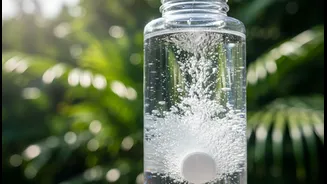
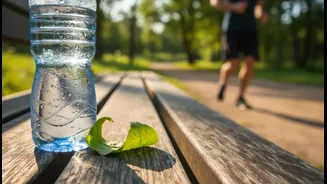
To exercise safely in the monsoon, you need a proactive hydration plan. Don't wait until you feel thirsty. Start your workout well-hydrated by drinking about 500-600 ml of water two to three hours before you begin. During your workout, make it a habit to sip water regularly. If you're exercising for longer than 60 minutes, it's important to replace not just water but also electrolytes like sodium and potassium that are lost through sweat. Consider an electrolyte drink or coconut water to help maintain this balance. After your workout, focus on rehydration by drinking water and having a small, replenishing snack.
Beyond Just Water
While drinking fluids is paramount, you can also support your hydration through your diet. Eating water-rich foods like cucumber, watermelon, oranges, and leafy greens can contribute to your overall fluid levels. During the monsoon, it's also wise to avoid excessive caffeine and alcohol, as they can have a diuretic effect and contribute to fluid loss. Listen to your body and adjust your workout intensity. On extremely humid days, your performance might naturally dip. It's safer to slow your pace or reduce the duration of your workout rather than pushing through and risking a heat-related illness like heat exhaustion.
Dress for Success (and Safety)
Your choice of clothing can make a significant difference. Opt for lightweight, loose-fitting, and moisture-wicking fabrics. These materials are designed to pull sweat away from your skin, which can aid any small amount of evaporation that is possible and help you feel more comfortable. Light-coloured clothing is also preferable to dark colours, which tend to absorb more heat. Avoiding heavy cotton fabrics is essential, as they absorb moisture, become heavy, and prevent your skin from breathing, trapping heat and making the problem of overheating worse.