


The Ghost of the 'Guest-Only' Room
For decades, the living room in many Indian homes served one primary function: to impress. It was a formal chamber, often located near the entrance, designed to create a lasting positive impression on guests. This space was typically filled with the 'best'
of everything: heavy, ornate sofas often wrapped in protective plastic, a carved centre table, and a cabinet of curios that were to be seen but not touched. This room was a statement of status, a showpiece of a family's affluence and taste, but it was rarely a space for the family itself. It remained largely unused, a pristine but sterile environment reserved for special occasions and distant relatives, while daily life unfolded in other, more cramped parts of the house.
The Rise of the Multi-Functional Hub
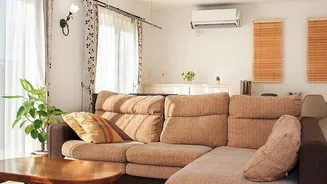
Today, that formal living room is being reimagined as a fluid, multi-purpose hub. The demands of modern urban life, especially in compact homes, have rendered the single-purpose showpiece obsolete. The living room is now where the family gathers to watch a movie, where children do their homework, and increasingly, where adults work from home. This shift was accelerated by the pandemic, which forced people to see their homes not just as a place of rest but as a full-time office, school, and sanctuary. As a result, functionality, flexibility, and comfort have become the new non-negotiables, with a demand for everything from ergonomic chairs to modular sofas.
From Performance to Personalisation
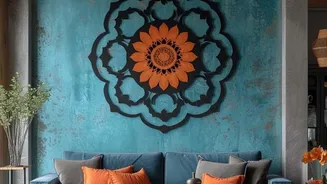
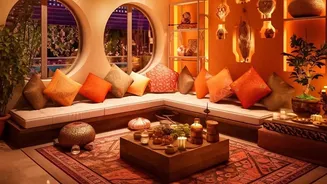
This evolution is about more than just practicality; it reflects a significant psychological shift. Homeowners are moving away from designing spaces for the occasional guest and are instead creating environments that support their own emotional well-being and daily routines. The focus is now on personal expression over performative display. Instead of a matching five-piece furniture set from a catalogue, living rooms now feature a curated mix of pieces that tell a story about the inhabitants. This might include handcrafted artisan furniture, textiles with traditional Indian prints, a gallery wall of family photos, or statement art pieces. The goal is no longer to announce wealth but to create an atmosphere of authenticity and character.
A New Aesthetic: Warm, Tactile, and Real
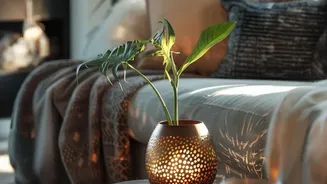
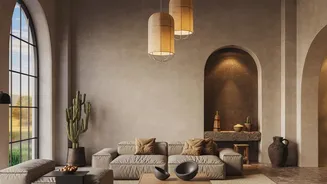
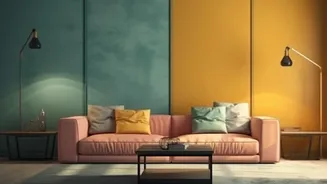
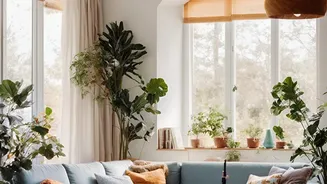
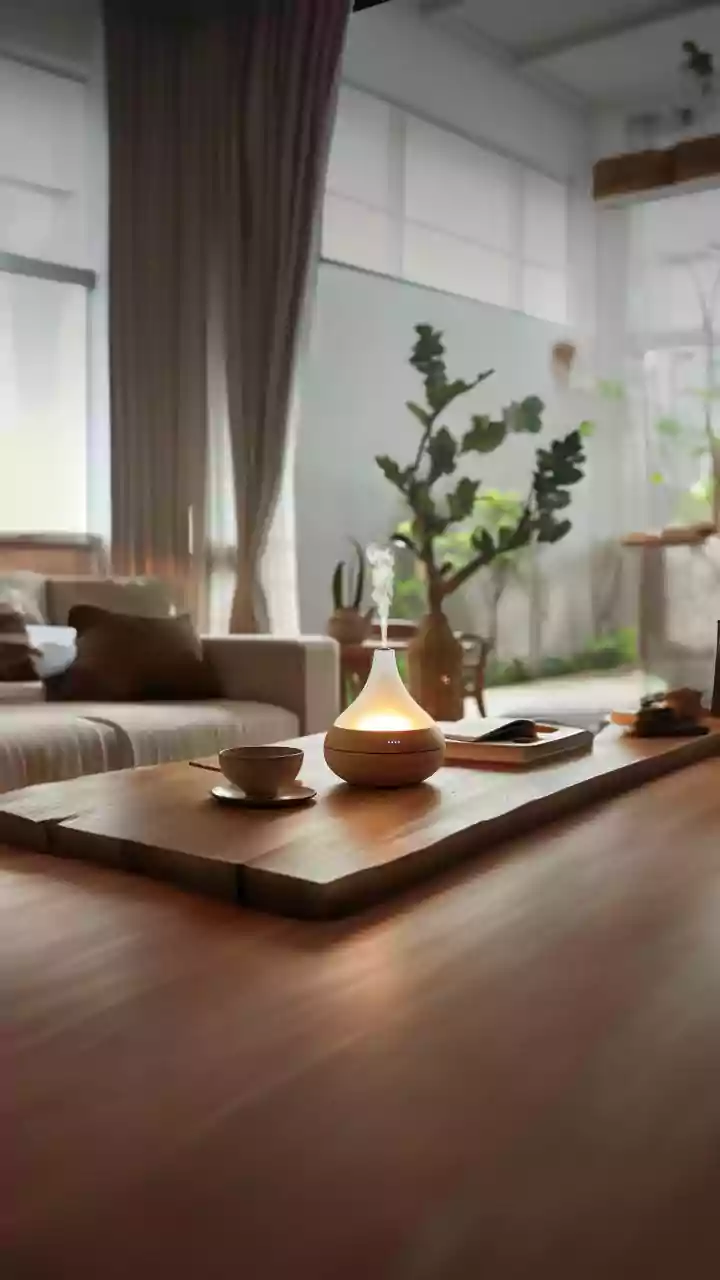
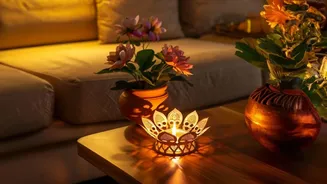
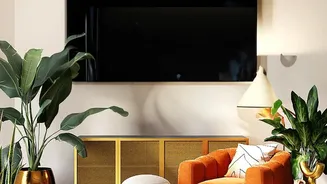
The look and feel of the Indian living room are changing accordingly. The cold, stark minimalism of the 2010s, with its all-grey palettes, is giving way to warmer, earthier tones like terracotta, sage green, and beige. Sharp, boxy furniture is being replaced by softer, curved silhouettes that feel more inviting. There's a renewed appreciation for natural and tactile materials like solid wood (especially teak and sheesham), cane, jute, and stone. This trend, sometimes called 'warm minimalism' or even 'Grandmillennial' style, brings back nostalgic elements but in a contemporary context, creating spaces that feel layered, timeless, and deeply personal.