





Moving Beyond the Static Resume
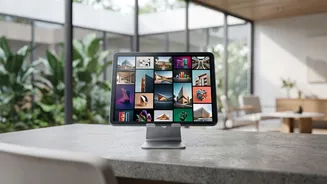
For decades, the job application process has revolved around a static, two-page resume. But in a world where recruiters may spend only a few seconds on an initial scan, this format is becoming less effective. An interactive portfolio, by contrast, is a dynamic,
web-based showcase of your work. It's more than a list of experiences; it's a curated collection of your best projects, complete with embedded videos, clickable prototypes, data visualizations, and links to live work. Instead of just describing your skills, an interactive portfolio provides tangible proof, shifting the conversation from claims to evidence.
The Role of the AI Co-Pilot
Building a compelling digital portfolio from scratch can seem daunting. This is where Artificial Intelligence steps in as a powerful assistant. Modern AI tools can take a simple input, like a PDF of your resume, and automatically generate a structured, professionally designed portfolio website in minutes. These platforms suggest layouts, help you write compelling project descriptions by analyzing job postings, and even assist in creating video introductions. AI removes the technical and design barriers, allowing graduates to focus on the story their work tells. It makes high-quality, personalized presentation accessible to everyone, not just those with web design skills.
Why Interactivity Captures Recruiter Attention
The core value of an interactive portfolio is its ability to engage. Recruiters are tasked with sifting through hundreds of similar-looking applications. A dynamic portfolio breaks this monotony. Clickable elements and multimedia content invite exploration, encouraging hiring managers to spend more time with a candidate's profile. This format allows a recruiter to dive into the projects that are most relevant to the role, creating a self-guided tour of a candidate's abilities. This active engagement is far more memorable than passively scanning a text document, helping a graduate's application rise to the top of the pile.
Demonstrating Skills, Not Just Listing Them
The most significant advantage of an interactive portfolio is its ability to 'show, not tell'. A computer science graduate can embed a functional piece of code from a GitHub repository. A marketing student can showcase a campaign they developed with a video and performance metrics. A design major can display a clickable prototype of an app they designed. This direct evidence of skill application is profoundly more convincing than a bullet point on a resume. It provides hiring managers with a clear window into a candidate's thought process, problem-solving abilities, and the quality of their work, which are difficult to convey in a traditional format.
The Future of Professional Storytelling
As AI makes creating polished resumes easier for everyone, the documents themselves are becoming less of a differentiator. The focus is shifting toward verifiable proof of skills. AI-powered tools not only help create these showcases but are also being used by recruiters to find talent. An interactive portfolio, rich with context and evidence, is perfectly suited for this new landscape. It tells a more complete and compelling story of a graduate's capabilities and potential. By embracing these tools, new graduates can present themselves not just as candidates with a list of qualifications, but as skilled professionals ready to deliver tangible results from day one.