





Understanding the Post-Festive Price Surge
Once the family gatherings and festive obligations of Diwali conclude, a significant number of Indians look to take a vacation. This creates a concentrated wave of travel demand that collides with the beginning of the peak winter tourist season, a period
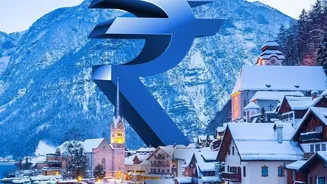
known for pleasant weather across most of the country. Hospitality industry experts have observed this pattern, noting that the period immediately following Diwali is when the strongest rate pressure begins to emerge. An analysis of over 3,000 properties across India indicates that hotel rates are expected to jump significantly. Mid-scale hotels could see rates climb by nearly 27% compared to the pre-Diwali period. The premium segment is forecast to follow a similar trajectory, with average rates increasing substantially during the post-Diwali weekends and remaining high throughout November.
The Numbers: A Look at Expected Hikes
Recent data from industry analysts provides a clear picture of what travellers can expect. According to a study by Sciative Solutions, an AI-powered pricing firm, mid-scale hotel rates are projected to rise from an average of ₹9,221 before the festival to ₹11,705 in the days following it. Premium properties are expected to see average prices climb from around ₹25,917 to over ₹31,163 in the post-Diwali weekend rush. Some popular destinations will experience even steeper increases. Goa, a perennial favourite, is likely to see the most dramatic price jump, with premium hotel rates climbing by as much as 42% in the latter half of November. Other leisure hotspots like Lonavala, Ooty, and Mussoorie are also bracing for significant rate hikes as demand soars.
The Early Booker’s Advantage
The most effective strategy to counter these predictable price surges is simple: plan ahead. Booking your travel and accommodation well in advance of the post-Diwali rush offers several key benefits. The most obvious is cost savings. By securing your rooms before the demand peaks, you can lock in lower rates that are closer to the pre-festive baseline. Travel industry data suggests a growing trend of travellers planning earlier, with the average booking lead time increasing from 20 to 29 days for festive travel. Beyond savings, early booking provides a much wider selection of hotels and room types. Waiting until the last minute often means choosing from leftover inventory, which may not meet your preferences for location, amenities, or budget. Securing your plans early reduces stress and allows you to focus on enjoying your holiday rather than scrambling for a place to stay.
Finding the Booking Sweet Spot
While 'early' is a good rule of thumb, there is a more defined window for optimal booking. For winter travel in India, which is the peak season, experts often recommend booking flights and accommodation at least two to three months in advance. For the post-Diwali period specifically, some data suggests the ideal booking time is around 28 to 35 days prior to your travel dates. This window typically allows you to book before the major demand surge drives up dynamic pricing algorithms used by hotels and booking platforms. Start monitoring prices and setting alerts on travel portals even earlier. This allows you to track price fluctuations and book when you spot a favourable deal, putting you ahead of the curve.
Tools and Tactics for Smart Savings
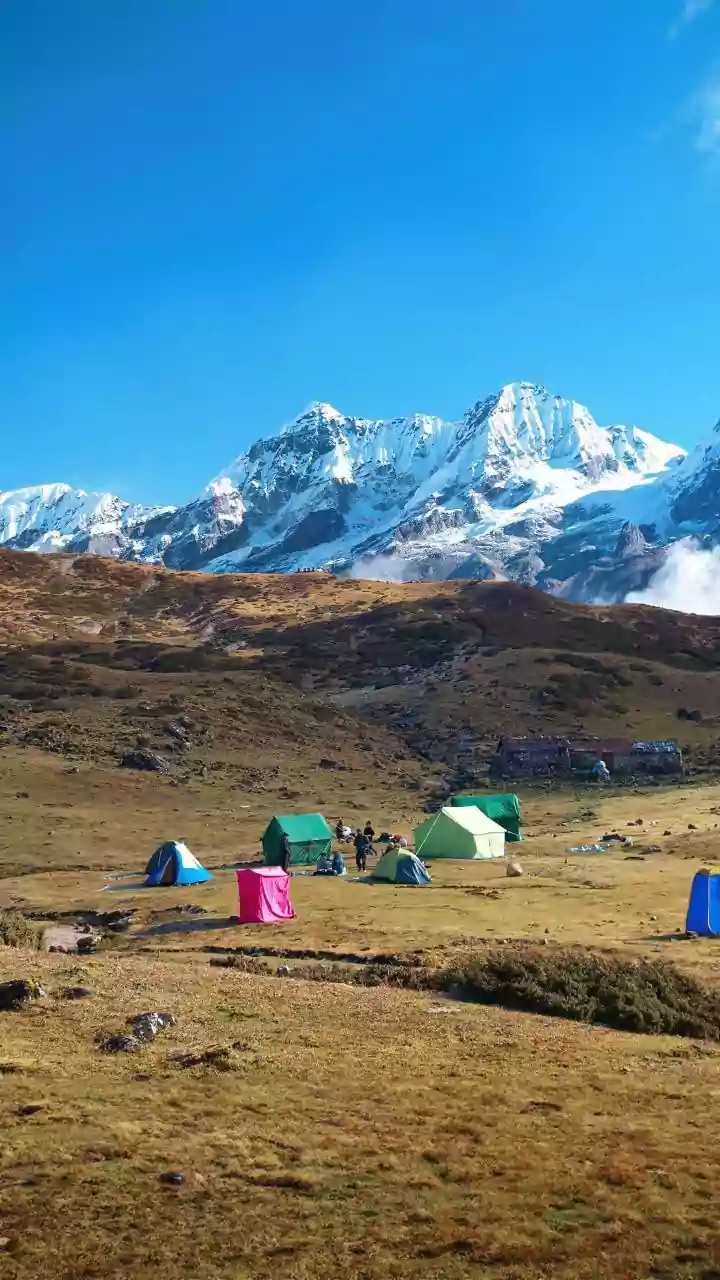
Beyond just booking early, travellers can employ several other tactics. Utilise online travel aggregators and comparison websites to compare rates across different platforms. Many of these sites offer features to set price alerts for specific hotels or destinations, notifying you when rates drop. Don't be afraid to consider alternative accommodations like homestays or guesthouses, which are often more affordable and offer a unique local experience. Flexibility can also lead to significant savings. If your dates are not fixed, travelling on weekdays instead of weekends can often yield lower prices. Similarly, exploring less-crowded, offbeat destinations can be a great way to avoid the price hikes seen in popular tourist hubs.