





Your Scooter: The Key to Island Freedom
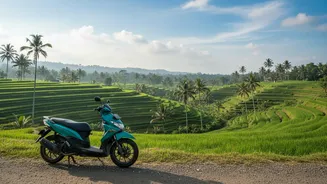
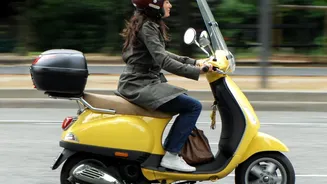
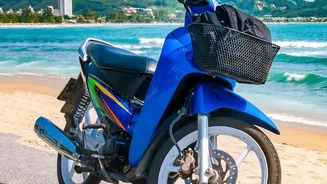
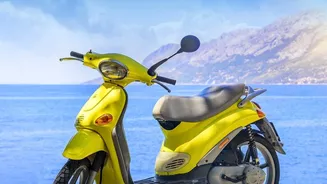
The best way to escape the tourist trail and discover Bali’s hidden beaches, temples, and rice paddies is on two wheels. Renting a scooter offers unparalleled freedom and is incredibly cost-effective. Daily rental prices for a standard automatic scooter,
like a Honda Scoopy or Vario, typically range from IDR 60,000 to IDR 120,000. For longer stays, weekly or monthly rates offer significant discounts. You can easily find rentals at your accommodation or from the countless shops lining the streets in tourist hubs like Canggu, Ubud, and Seminyak. Before you hand over any cash, remember the legal requirements: to ride legally and ensure your travel insurance is valid, you must have both your home country's driver's license with a motorcycle endorsement and a valid International Driving Permit (IDP). Police checkpoints are common, and fines can be steep if you’re caught without the proper documents.
Ride Smart: Essential Safety on the Road
Bali’s traffic can be chaotic and intimidating for first-timers. The key is to drive defensively and adapt to the local flow. Safety should always be your top priority. Wearing a helmet is not just a suggestion; it's mandatory for both the driver and any passenger. While most rentals include a basic helmet, consider buying your own for a better fit and quality. Before setting off, perform a quick check of your bike: test the brakes, check the tyre pressure, and make sure the lights are working. Roads can be unpredictable, with potholes and loose gravel, especially after rain. Never drink and drive; ride-hailing apps offer a safe and cheap alternative if you plan on having a few Bintangs. Finally, always drive on the left side of the road and use your horn with a short 'beep-beep' to announce your presence, not as a sign of aggression.
Warungs: Eating Like a Local
For the most authentic and budget-friendly food, skip the trendy cafes and head straight for a warung. A warung is a small, often family-run eatery that serves traditional Indonesian and Balinese food. These humble establishments are the heart of the island’s culinary scene, offering delicious home-cooked meals passed down through generations. You'll find different types, from simple roadside stalls (sometimes called 'rumah makan') to spots specializing in famous dishes like 'Babi Guling' (suckling pig) or 'Nasi Campur' (mixed rice). A filling meal at a warung is incredibly affordable, with a generous plate of Nasi Campur or Nasi Goreng often costing between IDR 20,000 and IDR 50,000. This is a fraction of what you would pay at a Western-style restaurant.
How to Choose the Best Warungs
With warungs on almost every corner, how do you pick a good one? The simplest rule is to follow the locals. A busy warung filled with Indonesian customers is almost always a sign of good, safe, and delicious food. Many warungs, especially those serving Nasi Campur, feature a glass display case where you can see all the pre-cooked dishes. Simply point at what you'd like to have with your rice. This makes ordering easy even if there's a language barrier. Don't be deterred by the simple decor of plastic chairs and basic tables; it's all part of the authentic experience. While most are perfectly safe, trust your instincts. If a place looks unclean, it's best to move on to the next one. For a true taste of Bali, trying different warungs is a culinary adventure in itself.
A Realistic Daily Shoestring Budget
By combining scooter travel with warung dining, you can comfortably explore Bali on a backpacker's budget. A realistic daily spend can be as low as IDR 350,000 to IDR 500,000. Let's break it down: a scooter rental might cost around IDR 80,000 per day. Three hearty meals at local warungs could total approximately IDR 100,000. Add in petrol, parking fees, bottled water, and perhaps a beer at sunset, and you're still well within a tight budget. This style of travel not only saves a significant amount of money but also provides a much richer cultural experience. You’ll be eating where the locals eat and exploring roads that tour buses can't access, all while having complete control over your itinerary.