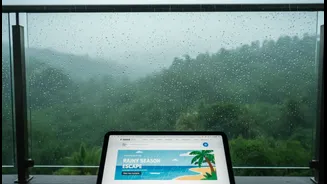








The Off-Season Is Officially Over
For years, the monsoon months from June to September were when hotels offered deep discounts and tourist hotspots grew quiet. That perception is rapidly changing. Major hotel groups and travel platforms are reporting a significant uptick in monsoon bookings,
with some destinations seeing growth of 10-15% over last year. Places like Goa, which once saw a 24% drop in tariffs during the rains, now maintain resilient pricing due to sustained demand. Travel fintech platform Scapia noted that hotel bookings in Munnar and Mussoorie have grown nearly tenfold compared to last year's monsoon season. This structural shift means domestic leisure travel is no longer confined to just summer and winter peaks; the monsoon has become a powerful travel driver in its own right.
Why Everyone Is Chasing the Rains
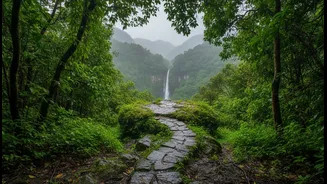
Several factors are fuelling this trend. The dramatic transformation of India's landscapes—dry hills turning emerald green, waterfalls roaring back to life—is a major draw. But it's more than just pretty scenery. There's a broader shift in travel habits, with people taking shorter, more frequent trips throughout the year instead of one big annual holiday. The rise of 'experiential travel' also plays a huge role. According to Booking.com, travellers are increasingly choosing destinations based on personal interests like wellness, spirituality, and cultural immersion, rather than seasonal conventions. Destinations like Rishikesh and Mussoorie have seen search interest grow by over 160-200% as people seek out cooler climates and nature-based activities. This quest for authentic and immersive experiences is leading tourists to explore the quieter, greener side of India.
Reality Check: Navigating the Risks
While the allure is strong, monsoon travel demands caution. Heavy rainfall can trigger landslides, flash floods, and road closures, particularly in hilly and coastal regions. A clear road in the morning can become impassable by evening, and a calm river can swell dangerously fast. The India Meteorological Department (IMD) frequently issues alerts for heavy rainfall that can lead to waterlogging, traffic disruption, and damage to infrastructure. Popular destinations like the ghats near Lonavala and Khandala, as well as routes in Himachal Pradesh, Uttarakhand, and Arunachal Pradesh, can become hazardous. Flight and train schedules are also prone to delays and cancellations, making a flexible itinerary essential.
The Fine Print: Your Cancellation Safety Net
Given the unpredictability, understanding cancellation policies is non-negotiable. Booking a non-refundable stay is a significant gamble when a sudden downpour could derail your plans. It's crucial to read the terms and conditions carefully. 'Fully refundable' or 'free cancellation' usually means you get all your money back if you cancel within a specified window, which can be anywhere from 24 hours to several days before check-in. 'Partially refundable' policies will only return a portion of what you paid. Many online travel portals now have filters to specifically search for accommodations with flexible booking options. While these rates might be slightly higher, the peace of mind they offer during the volatile monsoon season is often worth the extra cost.
A Checklist for Smarter Monsoon Travel
Balancing the magic of the monsoon with its potential chaos comes down to smart planning. First, always check the latest district-level weather forecasts from reliable sources like the IMD before and during your trip. Second, opt for hotels and flights with flexible or refundable booking options. For flights cancelled due to weather, DGCA rules entitle you to a full refund or an alternative flight. Third, consider travel insurance, which can cover non-refundable costs beyond just accommodation in case of trip interruption. Finally, pack strategically with waterproof bags, quick-dry clothing, and essential medicines, and always keep buffer time in your itinerary for unexpected delays.