





The Unseen Enemy: How Your Body Loses Heat
To stay warm, you first need to understand what you're fighting. Your body loses heat in three primary ways. First is conduction, which is heat loss through direct contact. When you lie on the frozen ground, it sucks warmth directly from your body. Second
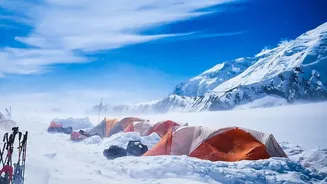
is convection, or heat loss through moving air. Wind is the most obvious example, as it strips away the layer of warm air right next to your skin. The third is radiation, where your body emits heat as infrared energy into the colder surrounding environment. In a high-altitude camp, all three are working against you relentlessly. Proper insulation is a system designed to fight each of these forces.
Fighting the Frozen Ground: The Sleeping Pad
The most significant and often underestimated source of heat loss at night is conduction with the ground. A warm sleeping bag is useless if the ground is pulling heat from your underside. This is where your sleeping pad comes in. Its effectiveness is measured by its R-value, a measure of thermal resistance. The higher the R-value, the better it insulates you from the cold ground. For Himalayan snow camping, an R-value of 5.5 or higher is recommended. Closed-cell foam pads are durable and reliable, while inflatable air pads offer more comfort and higher R-values for their weight. Many seasoned campers use a combination: a foam pad underneath an air pad for maximum protection and as a backup in case the air pad fails.
Trapping Warm Air: The Sleeping Bag
A sleeping bag doesn't create heat; it traps the heat your body radiates. It primarily combats convective heat loss by creating a pocket of still air around you that your body can warm up. The main choice is between down and synthetic insulation. Down, from the under-feathers of geese or ducks, offers the best warmth-to-weight ratio and is highly compressible, making it ideal for backpacking. Its main weakness is that it loses its insulating ability when wet. Synthetic insulation, made from polyester fibres, performs better in damp conditions and is generally more affordable but is heavier and bulkier for the same level of warmth. For the typically cold and dry conditions of the high Himalayas, a high-quality down bag is often the preferred choice. Pay attention to the temperature rating, which indicates the lowest temperature at which the bag will keep an average sleeper warm.
Your Wearable Shelter: The Layering System
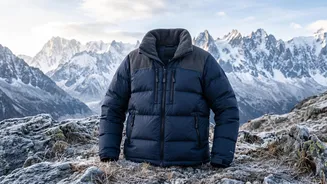
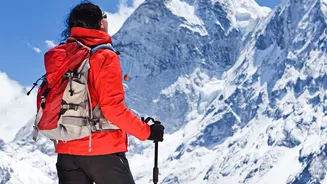
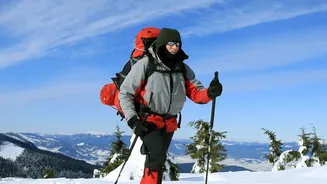
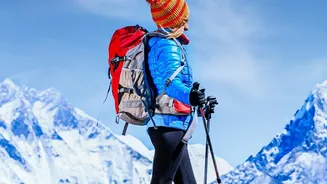
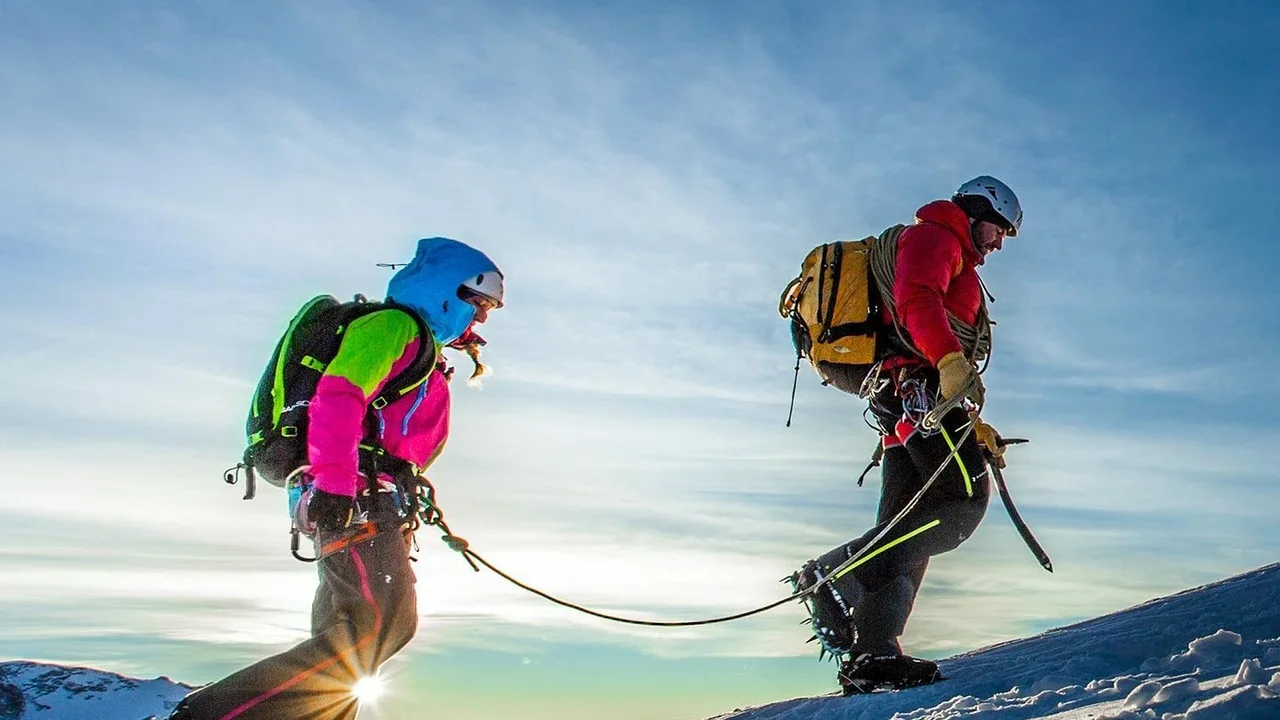
What you wear is your first and last line of defence. The key is a multi-layer system that allows you to regulate your temperature and, crucially, manage moisture. Sweating is dangerous because wet clothing pulls heat from your body much faster than dry clothing. The system consists of three parts. The base layer, worn against the skin, should be made of a wicking material like merino wool or a synthetic fabric (never cotton) to pull sweat away from your body. The mid-layer provides insulation; this is typically a fleece or a puffy jacket filled with down or synthetic material. The outer layer, or shell, protects you from wind and snow. By adding or removing layers, you can avoid overheating and sweating while active, and then bundle up the moment you stop.
Fuelling the Furnace and Other Essentials
Your gear can only trap the heat your body produces. In the cold, your body burns more calories just to maintain its core temperature, so it's vital to stay well-fed and hydrated. High-calorie foods with fats and proteins burn slower and can help keep you warmer through the night. Staying hydrated is also essential for your body to function efficiently. Don't forget the extremities. A significant amount of heat is lost through your head, so wearing a warm hat or a balaclava to bed makes a huge difference. Insulated gloves and warm wool socks are just as critical to prevent debilitating cold injuries like frostbite, which can begin with numbness. Finally, changing into a complete set of dry clothes before getting into your sleeping bag is one of the most effective things you can do to ensure a warm night's sleep.