



Why Indoor Air Worsens in Winter
During winter, a combination of factors degrades indoor air quality. Cooler, denser air traps pollutants close to the ground, a phenomenon often visible as smog. This polluted outdoor air easily seeps into our homes through gaps in doors and windows.
We also tend to keep our homes sealed to stay warm, which prevents pollutants from escaping. This traps not only the outdoor pollution that gets in but also pollutants generated indoors. Common sources include cooking fumes, especially from frying; volatile organic compounds (VOCs) released from cleaning products, paints, and furniture; and dust mites. Without proper ventilation, these contaminants build up, creating an unhealthy environment.
The Strategic Use of Windows
Simply throwing open the windows isn't always the best solution, especially when outdoor air quality is in the 'Severe' category. The key is strategic ventilation. Monitor the local Air Quality Index (AQI). It's generally considered safe to open windows when the AQI is 'Good' (0-50). On 'Moderate' days, you can still ventilate, but perhaps for shorter periods. Try 'shock ventilation'—opening windows wide on opposite sides of the home for 10-15 minutes to create a cross-draft that exchanges the air quickly without drastically cooling your home. This is best done during times of day when pollution is typically lower, such as early mornings, unless traffic is a major factor. If the outdoor AQI is high, it is better to keep windows firmly closed and rely on other methods to clean the indoor air.
Decoding Air Purifiers
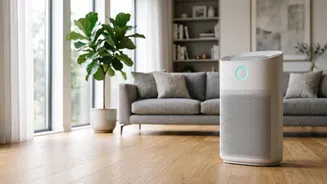
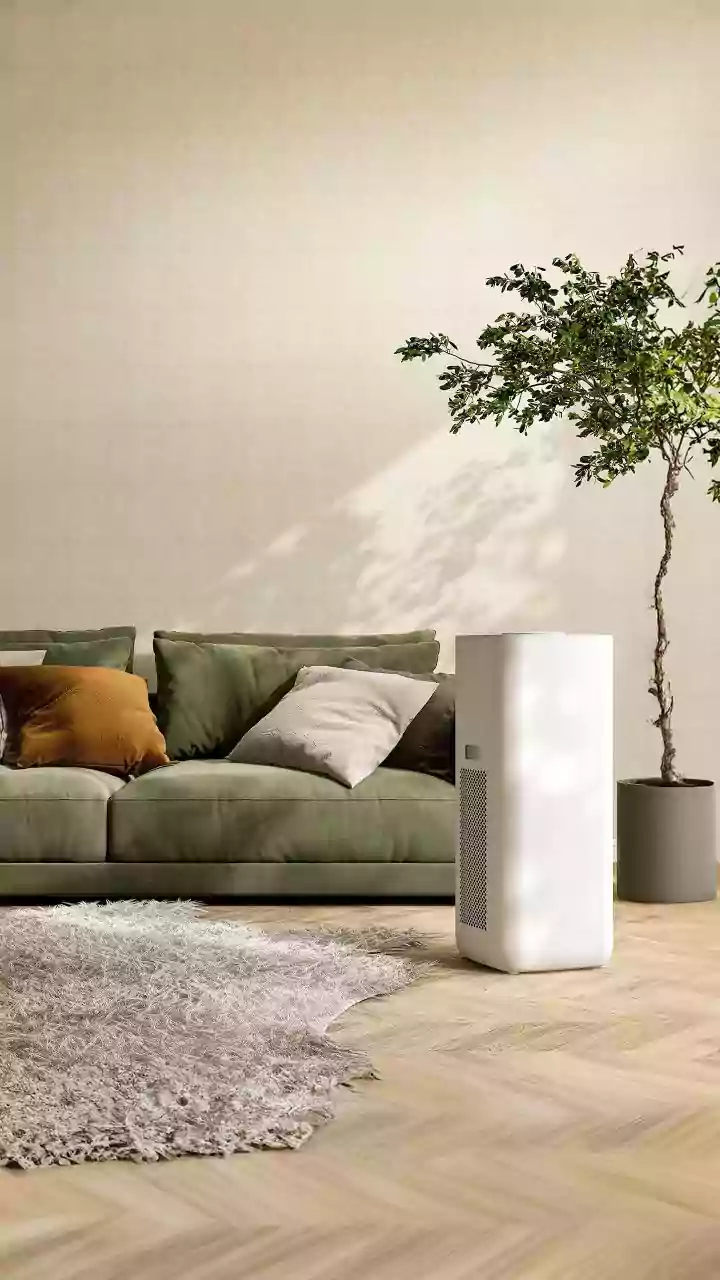
For many, an air purifier has become a necessity. But choosing the right one can be confusing. Look for two key features: a HEPA filter and an activated carbon filter. A High-Efficiency Particulate Air (HEPA) filter is the gold standard for capturing tiny particles like PM2.5, dust, pollen, and pet dander. An activated carbon filter works differently, adsorbing gases, odours, and VOCs from the air. For the comprehensive challenge of Indian winters, a purifier with both types of filters is ideal. Pay attention to the Clean Air Delivery Rate (CADR), which tells you how quickly the purifier can clean a room of a certain size. Ensure the CADR is appropriate for your room's dimensions to get the best performance.
Low-Tech Habits for Cleaner Air
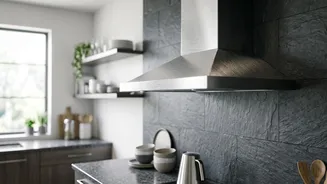
Technology helps, but so do simple, consistent habits. Regular cleaning is crucial. Use a damp cloth for dusting to trap particles instead of sending them airborne. Vacuuming with a HEPA-filter vacuum can also make a big difference. Mop floors regularly to capture settled dust. Reduce pollutants at the source: use an exhaust fan or chimney in the kitchen to vent cooking fumes, avoid smoking indoors, and minimize the use of incense sticks and aerosol sprays. Be mindful of products you bring into your home, opting for low-VOC paints and furnishings when possible. Taking your shoes off at the door can also significantly reduce the amount of outdoor dust and pollutants tracked inside.
The Role of Indoor Plants
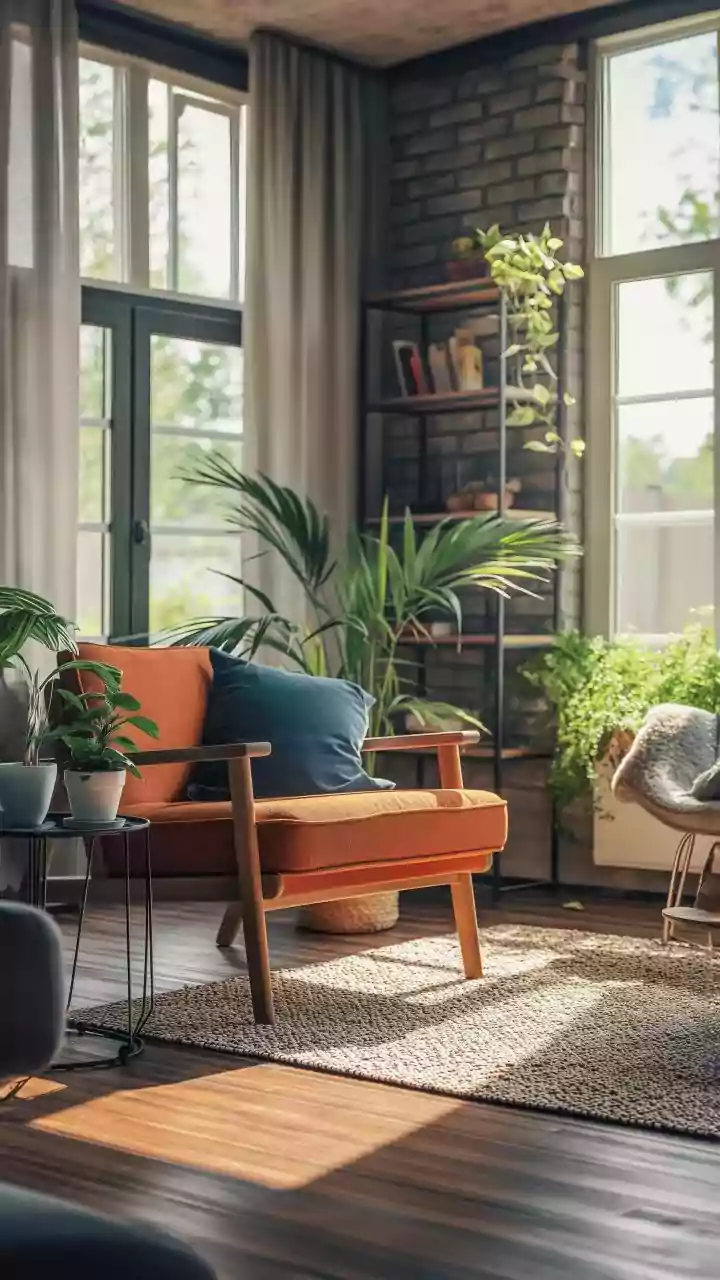
Indoor plants are often touted as natural air purifiers. While it's true that plants like the Snake Plant, Spider Plant, and Peace Lily can absorb certain toxins like formaldehyde and benzene, their overall impact on the particulate matter (PM2.5) that dominates winter pollution is limited. Think of them as a helpful supplement to your air-cleaning strategy, not a replacement for a good air purifier or proper ventilation. They contribute to a sense of well-being and can help manage humidity levels, but they cannot single-handedly solve a serious indoor air quality problem. Enjoy them for their beauty and secondary benefits, but rely on more robust methods for particle filtration.