


The Art of Blooming Saffron
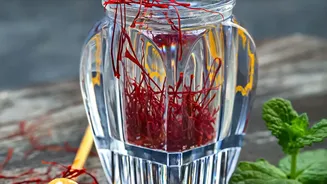
The most crucial step to unlocking saffron's potential is 'blooming'. Simply adding dry threads to a dish is a common mistake that wastes its flavour. Saffron's key compounds for colour (crocin), taste (picrocrocin), and aroma (safranal) are water-soluble
and need liquid and gentle warmth to be released. To bloom saffron, lightly crush a pinch of threads using a mortar and pestle or the back of a spoon. Then, steep them in two to three tablespoons of warm—not boiling—liquid for at least 15 to 20 minutes. Boiling liquid can destroy the delicate aromatic compounds, so aim for a temperature that is warm to the touch. For desserts, warm milk is the ideal liquid as its fat content helps carry the aroma even further. The liquid will transform into a deep, glowing amber, ready to be added to your recipe.
A Little Goes a Long Way
Saffron is a potent spice, and using too much is a frequent error that can make a dish taste bitter or medicinal. As a general rule, a generous pinch, about 15 to 20 threads, is sufficient to flavour a dish that serves four people. When it comes to kesar, restraint is key to achieving that signature delicate, floral, and earthy flavour. Remember that you can always add more, but you cannot remove the bitterness of using too much. The goal is a whisper of luxury, not an overpowering note. For most dessert recipes like kheer or shrikhand, a small amount bloomed properly will provide ample colour and fragrance.
How to Spot Real Kesar
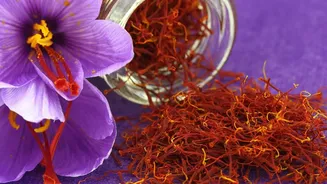
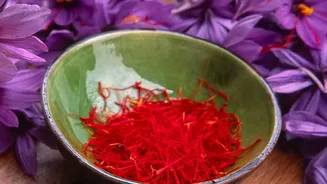
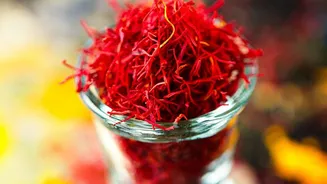
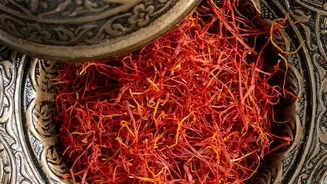
Given its high price, the saffron market is unfortunately filled with fakes. Authentic saffron has a few distinct characteristics. The threads, or stigmas, should be a deep, uniform crimson red with slightly orange or yellow tips and a trumpet-like shape at one end. The aroma should be strong, floral, and slightly sweet like honey or hay. One of the most reliable home methods is the cold water test. Place a few threads in room-temperature water. Real saffron will release its golden-yellow colour slowly over 10 to 15 minutes, and the threads themselves will remain red. Fake saffron, often dyed corn silk or other fibres, will bleed a bright red or orange colour almost instantly, and the threads may lose their colour.
Timing is Everything
When you add your bloomed saffron to a dish matters. Its delicate aroma is volatile and can dissipate with prolonged cooking. For desserts that are simmered or cooked for a long time, such as kheer or rabdi, it is best to add the saffron-infused liquid towards the end of the cooking process. Stirring it in during the final 10 to 15 minutes ensures the colour is distributed evenly while preserving the maximum amount of its beautiful fragrance. For uncooked desserts like shrikhand, the bloomed saffron is simply whisked into the yogurt base before chilling. In preparations like rasmalai or rasgulla, the saffron is often infused into the sugar syrup or the milk base in which the sweets are soaked.
Classic Kesar Desserts to Master
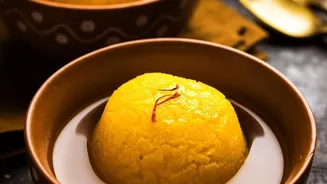
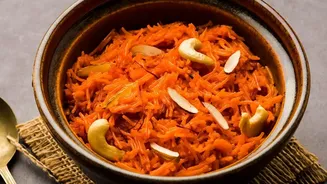
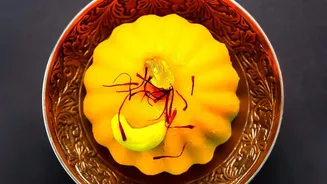
Saffron is the star in a wide array of beloved Indian mithai. Kesar Pista Kulfi, a traditional frozen dessert, gets its iconic flavour and colour from saffron-infused milk. In Maharashtra, Kesar Shrikhand is a festive favourite, made from hung yogurt sweetened and perfumed with saffron and cardamom. Kesar Phirni, a silky ground-rice pudding, and Kheer, the classic slow-cooked rice pudding, are both elevated by the addition of kesar. Other popular sweets where saffron shines include the soft, milky Kesar Peda; the rich Kesar Badam Halwa; and the spongy, syrup-soaked Kesar Rasmalai. Experimenting with these recipes is a perfect way to practice and appreciate the subtle art of cooking with saffron.