




Moving Beyond The Traditional
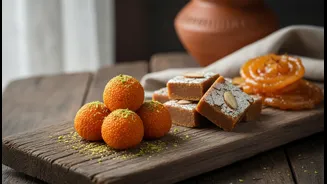
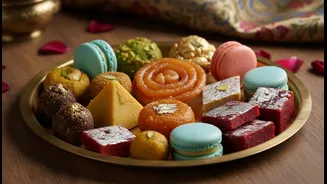
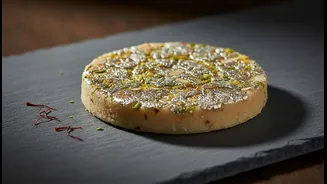
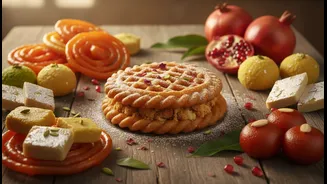
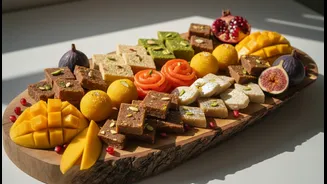
For decades, the hallmarks of premium mithai were clear: rich ghee, copious amounts of nuts, and perhaps a delicate layer of silver leaf, or vark. These sweets are deeply woven into the fabric of Indian celebrations and traditions. The base of many classics
is khoya, or milk solids, achieved by slowly reducing milk to create a dense, creamy foundation for favourites like barfi and peda. While these beloved classics remain timeless, a new school of thought is emerging. Today's discerning consumer is looking for more than just a sugar rush; they are seeking an experience. This has paved the way for artisanal brands to reimagine what mithai can be. The new luxury is not just about cost, but about care, creativity, and a connection to the ingredients themselves.
The Ingredient As The Hero
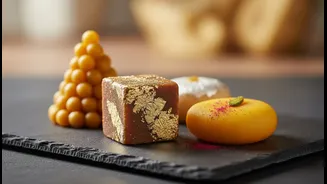
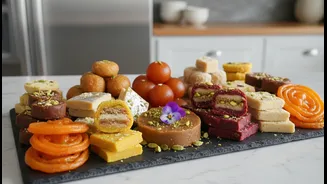
At the heart of this movement is a profound respect for ingredients. Modern mithai makers are championing quality and origin, turning the focus from generic sweetness to distinct flavours derived from carefully sourced components. Brands like Bombay Sweet Shop, a venture from the team behind acclaimed restaurants The Bombay Canteen and O Pedro, travel across India to rediscover regional recipes and techniques. Their philosophy centres on 're-creation'—taking familiar sweets and giving them a surprising twist. This often involves using single-origin cacao, high-quality nuts like hazelnuts and macadamias, and natural sweeteners like jaggery and dates. This approach not only enhances the flavour but also caters to a growing health-consciousness among consumers, with many brands offering low-sugar or sugar-free options.
A Delicate Balance Of Flavours
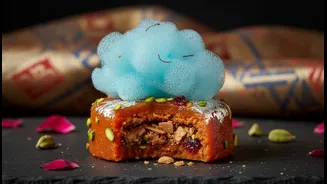
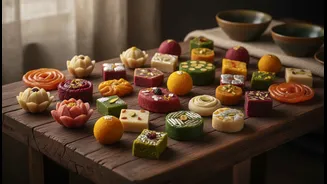
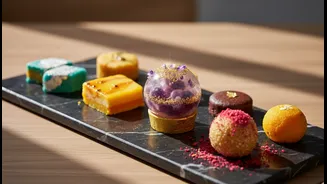
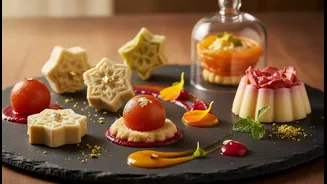
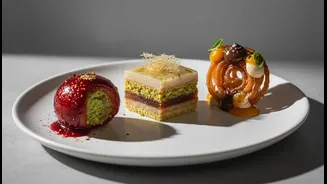
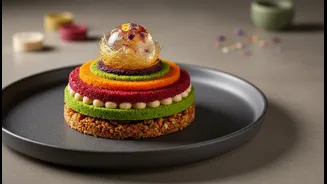
The second pillar of this new wave is balance. Instead of one-note sweetness, these gourmet creations offer complex flavour profiles that borrow from global culinary traditions, including French patisserie. Think of a classic barfi reimagined with notes of coffee and dark chocolate, or a laddoo infused with champagne or gin. Brands such as Khoya, Arq, and Gur Chini are at the forefront, experimenting with unexpected pairings like salted caramel, strawberry, and matcha. This fusion of East and West results in sweets that are less cloyingly sweet and more nuanced, designed to be savoured. The goal is to create a mithai that feels rooted in tradition but offers a fresh and modern experience in both flavour and form.
An Experience From Box To Bite
This transformation extends beyond the sweet itself. The unboxing has become as much a part of the experience as the first bite. Artisanal mithai brands are investing heavily in design-led packaging, creating beautiful, often reusable boxes and collectable tins that turn a simple box of sweets into a stylish statement gift. Bombay Sweet Shop, for instance, is known for its playful, candy-striped packaging and in-store experiences that feel part dessert theatre, part design gallery. This focus on aesthetics makes mithai 'grid-worthy' again, re-establishing its place in pop culture and modern celebrations. It's a holistic approach where the presentation signals the quality and creativity held within.