








Why Track Your Budget?
Budgeting often gets a bad reputation; it sounds restrictive and tedious. But the real purpose of tracking your expenses isn't to stop you from spending, it's to empower you to spend on what truly matters. When you track your money, you get a clear, honest
picture of your financial habits. This awareness is the foundation of every smart money decision. It helps you identify where you might be overspending, find opportunities to save, and ultimately, redirect your funds toward your biggest life goals, whether that’s buying a home, funding a child's education, or building an emergency fund. Tracking moves you from being a passenger in your financial life to being the driver.
Finding the Right Method
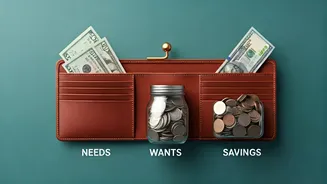
There’s no one-size-fits-all approach to budgeting. The best method is the one you can stick with. For many in India, the 50/30/20 rule is a great starting point for its simplicity. It divides your after-tax income into three categories: 50% for needs (rent, groceries, EMIs), 30% for wants (dining out, entertainment), and 20% for savings and investments. Another effective method is the 'Pay Yourself First' model, where the first transaction you make on payday is moving a set amount to your savings. For those who prefer more structure, Zero-Based Budgeting assigns a specific job to every single rupee you earn, ensuring that your income minus your expenses equals zero. The key is to choose a framework that feels logical and manageable for your lifestyle.
Tools of the Trade: Apps and More
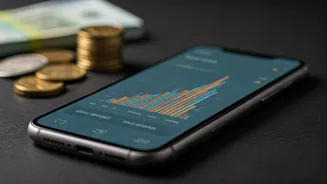
Technology has made budget tracking easier than ever. India has a host of budgeting apps that can simplify the process. Apps like Walnut and Moneyview are popular because they can automatically track expenses by reading transaction SMSes from your bank, categorising your spending without manual entry. For those who prefer a more hands-on, mindful approach, apps like Goodbudget use the digital 'envelope' system, where you manually allocate funds to different spending categories. And don't discount the power of a simple spreadsheet or even a dedicated notebook. The act of manually writing down expenses can make you more conscious of your spending habits. The best tool is simply the one that you will use consistently.
From Tracking Data to Taking Action
The real power of budget tracking comes from what you do with the information. Once you’ve tracked your spending for a month or two, you’ll have a rich set of data about your own behaviour. Review your spending categories. Are you surprised by how much you spend on food delivery or online shopping? These are not points of shame, but opportunities for change. Seeing the numbers in black and white can motivate you to cut back on spending that doesn’t align with your values or goals. You can then reallocate that money to where you want it to go—perhaps an extra payment on a loan, a top-up to your investment SIP, or a fund for a much-needed vacation.
Making Budgeting a Lifelong Habit
A budget is not a one-time setup; it's a living document that should evolve with your life. To make tracking a lasting habit, integrate it into your routine. Set aside 15 minutes each week to review your spending and check in on your budget. Automate where you can: set up automatic transfers for your savings and bill payments. Don't get discouraged if you overspend in one category; the goal is not perfection but progress. Adjust your budget as your income or expenses change. Over time, this regular practice reduces financial anxiety and builds a strong foundation for long-term wealth and security. Remember, the goal is to control your money, not let it control you.