

Why Make the Switch to Millets?
Before we get into the 'how', let's talk about the 'why'. Millets are nutritional powerhouses that are making a comeback in Indian kitchens for good reason. Compared to polished white rice, they are significantly higher in protein, dietary fibre, and
essential minerals like iron, magnesium, and calcium. One of the biggest advantages is their low Glycemic Index (GI), which means they release sugar into the bloodstream slowly. This helps in managing blood sugar levels, making them a great choice for diabetics and for weight management, as the high fibre content keeps you feeling full for longer.
A Quick Guide to Common Millets
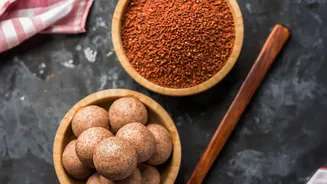
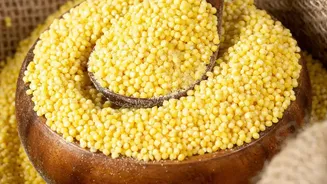
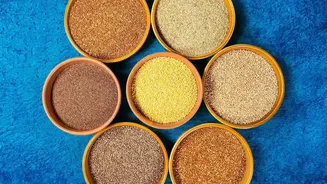
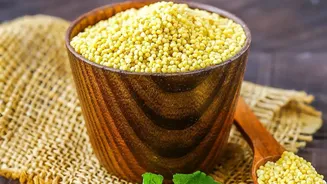
The word 'millet' covers a family of small-seeded grains. Knowing which one to use is the first step. Some popular varieties in India include: Foxtail Millet (Thinai/Kangni), Kodo Millet (Varagu), Barnyard Millet (Kuthiraivali/Sanwa), Little Millet (Samai), and Pearl Millet (Bajra). As a general rule, 'small millets' like Foxtail, Little, Kodo, and Barnyard are the easiest to use as direct rice replacements because they cook into fluffy, separate grains. Others like Finger Millet (Ragi) and Pearl Millet (Bajra) are more commonly used as flours for rotis, dosas, and porridge.
The Three Golden Rules of Millet Cooking
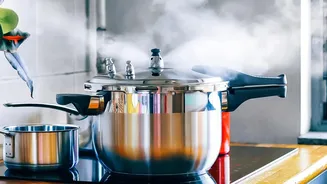
Don't treat millets like rice; they have their own rules. First, always soak them. Soaking for at least 4-6 hours (or even 20-30 minutes if you're short on time) softens the outer bran, helps them cook evenly, and improves nutrient absorption. Second, use the right water ratio. Most millets need more water than rice. A good starting point is 1 part millet to 2 or 2.5 parts water for a fluffy texture, and up to 3 parts water for a softer khichdi. Third, let it rest. After cooking, whether in a pressure cooker or a pan, let the millet sit covered for 5-10 minutes. This allows it to finish cooking in the residual steam, preventing a hard centre.
Perfecting Your Everyday Millet Rice
For a simple substitute for plain steamed rice, Kodo Millet, Foxtail Millet, and Little Millet are excellent choices. Kodo is often cited as being the closest in texture to rice. To cook, use the 1:2.5 millet-to-water ratio. After soaking and draining the millet, you can cook it in a pressure cooker for 2-3 whistles or in an open pan. For the stovetop method, bring the water to a boil, add the millet, cover, and simmer on low for 15-20 minutes without stirring. Once the water is absorbed, turn off the heat and let it rest before fluffing with a fork.
One-Pot Wonders: Millet Khichdi and Pulao
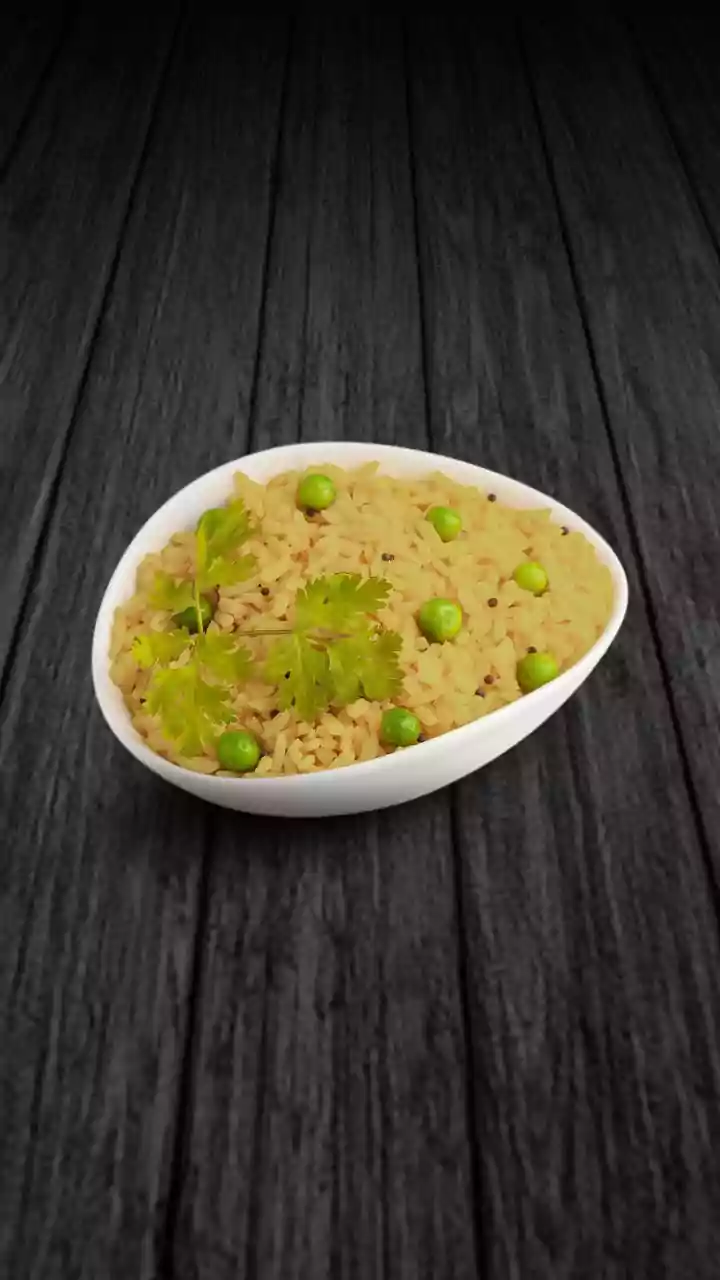
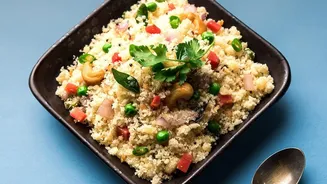
Millets are fantastic in one-pot dishes because they absorb flavours beautifully. Barnyard Millet and Foxtail Millet work exceptionally well for khichdi, upma, and pulao. For these dishes, a slightly higher water ratio of 1:3 is often used for a softer, more cohesive texture. You can follow your favourite pulao or khichdi recipe exactly, just swapping the rice for soaked millet. The cooking time will be similar, around 15-20 minutes on a low flame after the initial sautéing of vegetables and spices.
South Indian Classics, Millet Makeover
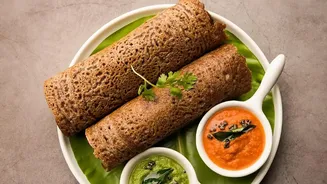
Yes, you can make soft, fluffy idlis and crisp dosas with millets. In fact, many argue they taste even better. You can replace rice entirely with millets like Foxtail, Kodo, or Barnyard in your batter. The process remains the same: soak 1 part urad dal and 2-4 parts millet separately for 4-6 hours. Grind the urad dal first to a fluffy batter, then grind the millets (often to a slightly coarser texture). Mix both batters with salt and allow to ferment overnight. The resulting batter can be used for both idlis and dosas.