





In the Kitchen: Your First Line of Defence
The kitchen is often the heart of the home, and it's also a primary area for water consumption. By making small adjustments to your daily routine, you can save hundreds of litres each month. Start by avoiding the habit of letting the tap run while washing
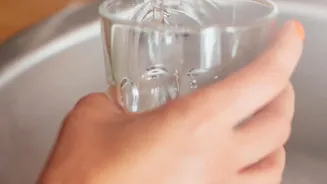
vegetables; instead, use a bowl of water. The same applies to washing dishes by hand—fill the sink or a tub rather than letting the water flow continuously. When it comes to cooking, use only the amount of water you truly need for boiling. This not only saves water but also helps retain more nutrients in your food. And before you pour that old water from a pet's bowl or a drinking glass down the drain, consider giving it to your houseplants. It's a simple way to give that water a second life.
The Bathroom: A Hub for Water Wastage
Bathrooms are notorious for high water usage, but simple habit changes can lead to significant savings. One of the easiest changes is to turn off the tap while brushing your teeth or shaving. A running tap can waste several litres of water every minute. Opting for a bucket bath instead of a long shower is another classic Indian conservation method that drastically cuts down water consumption. Check your toilet for silent leaks by adding a few drops of food colouring to the cistern; if the colour appears in the bowl without flushing, you have a leak that needs fixing. For an easy, low-cost hack, you can place a one-litre plastic bottle filled with sand or water inside your toilet cistern to reduce the amount of water used with every flush.
Laundry and Cleaning: Making Every Drop Count
When it comes to laundry, the golden rule is to always run your washing machine with a full load. Multiple small loads use significantly more water and energy than one complete cycle. When mopping floors, use the wastewater collected from your RO purifier. This is an excellent way to repurpose water that would otherwise go down the drain. The same water can be used for washing your car, balcony, or driveway. Instead of hosing down outdoor areas, use a broom to sweep them clean first, which reduces the need for water altogether.
Smart Tech and Leaks: The Silent Savers
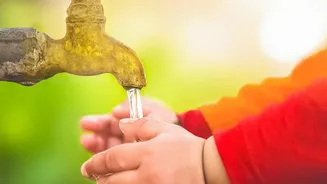
A slow drip from a faulty tap can waste thousands of litres of water per year. Regularly check all taps, pipes, and toilet cisterns for leaks and repair them immediately. Replacing old washers is often a simple and inexpensive fix. For a more modern approach, consider installing low-flow aerators on your taps. These small devices reduce water flow by up to 50% without sacrificing pressure, making them an efficient and cost-effective upgrade. If you are considering a bathroom renovation, installing a dual-flush toilet is a smart investment, as it can save a significant amount of water with every use.
Repurposing RO Wastewater: A Game Changer
Reverse Osmosis (RO) purifiers are common in Indian households, but they are known for producing a lot of reject water—often wasting 2 to 3 litres for every litre purified. Instead of letting it go to waste, collect this water in a bucket or tank. This reject water has a higher concentration of dissolved solids, making it unsuitable for drinking, but it is perfect for a variety of household chores. You can use it for flushing toilets, mopping floors, and washing vehicles. It can also be used for gardening, particularly for hardy, salt-tolerant plants and lawns. This single habit can significantly reduce your household's overall water footprint.