


India’s Surprising Vitamin D Shortfall
Despite abundant sunshine, a staggering 70% to 100% of the Indian population across all age groups and regions may have insufficient Vitamin D levels. This widespread issue stems from several factors. Modern indoor lifestyles, pollution that blocks UVB
rays, and cultural clothing practices can limit sun exposure. Furthermore, Indian skin tones, which are richer in melanin, naturally require more time in the sun to produce the same amount of Vitamin D as lighter skin. This makes dietary sources and strategic sun exposure more important than ever. The recommended dietary allowance for adults in India is 600 IU (International Units) per day.
The Best Source: Sensible Sun Exposure
Your body is designed to produce Vitamin D when your skin is exposed to the sun's UVB rays. For this process to be effective, timing is key. The ideal window for Vitamin D synthesis in India is between 10 a.m. and 3 p.m., when UVB rays are strongest. Exposing your face, arms, and legs for 15 to 30 minutes, several times a week without sunscreen, can help your body generate what it needs. Early morning or late afternoon sunlight, while pleasant, is low in the necessary UVB radiation and won't contribute significantly to your Vitamin D levels.
Natural Food Sources in the Indian Diet
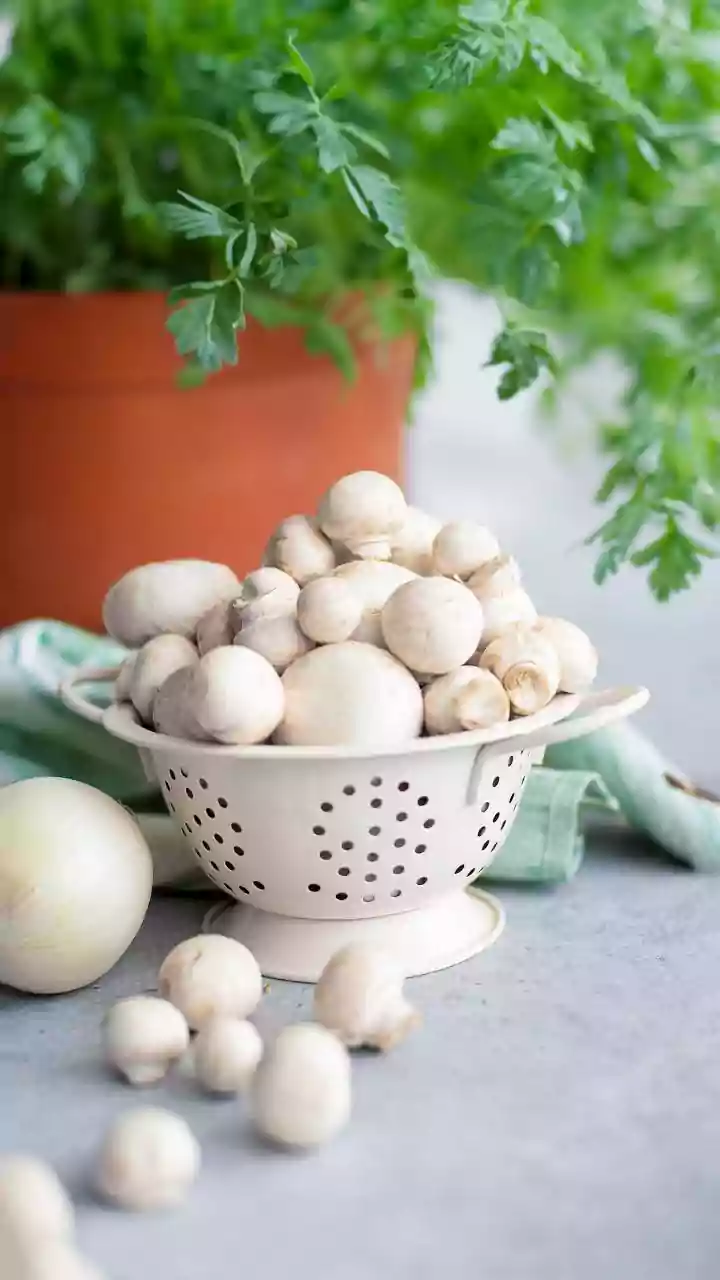
Very few foods are naturally rich in Vitamin D, and options in a typical Indian vegetarian diet are particularly limited. For non-vegetarians, fatty fish like salmon, mackerel (bangda), sardines (tarli), and hilsa are excellent sources. Egg yolks also contain a small but useful amount of the vitamin. Mushrooms, especially those exposed to UV light, are one of the few plant-based sources of Vitamin D, though the quantity can vary. Regular paneer, milk, and curd contain very little Vitamin D unless they have been fortified.
The Power of Fortification: A Practical Solution
Food fortification is the process of adding micronutrients like vitamins and minerals to staple foods to improve their nutritional value. In India, this strategy is crucial for bridging the Vitamin D gap. The Food Safety and Standards Authority of India (FSSAI) has established guidelines for fortifying common items like milk, edible oil, and cereals. When shopping, look for the '+F' logo on packaging, which signifies that the product has been fortified according to national standards. These foods provide a consistent and accessible way to increase your daily intake without drastic dietary changes.
Fortified Dairy Options to Consider
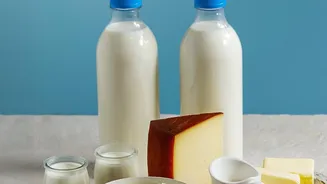
Milk is one of the most commonly fortified foods globally and a practical option in India. Many brands of milk and milk products like yogurt (curd) are now available with added Vitamin D. A single serving of fortified milk typically provides around 100 IU of Vitamin D, contributing significantly to the daily requirement of 600 IU. These products are beneficial because they also provide calcium, a mineral that works closely with Vitamin D to maintain bone health. Reading the nutrition label is essential to confirm that the product is indeed fortified.
Plant-Based and Vegan-Friendly Choices
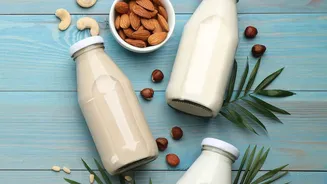
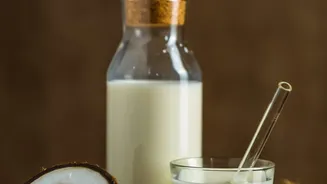
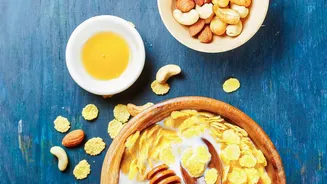
For those following a vegan diet or who are lactose intolerant, the market for fortified plant-based foods is growing. Options like fortified soy milk, almond milk, and oat milk are becoming more widely available. Fortified breakfast cereals and some brands of orange juice can also be good sources. Additionally, the FSSAI has approved plant-derived Vitamin D3 from lichen, which is now being used in supplements and fortified vegan products in India, making it easier for everyone to meet their nutritional needs.