
Redefining Wedding Wear
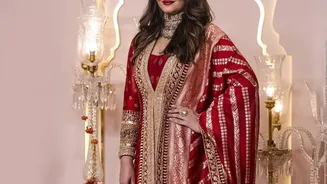
The quintessential wedding outfit is no longer defined by its sheer weight or the intricacy of its embroidery alone. For a new generation, value lies in versatility. This shift is giving rise to a new category of occasionwear: modular, modern, and made
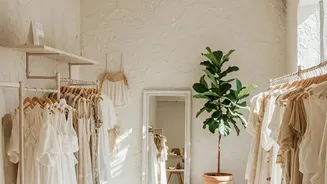
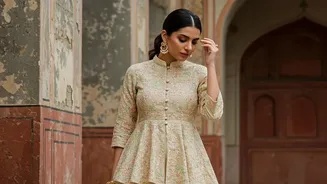
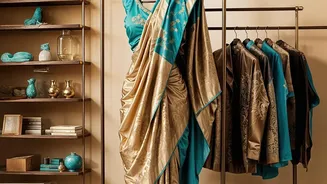
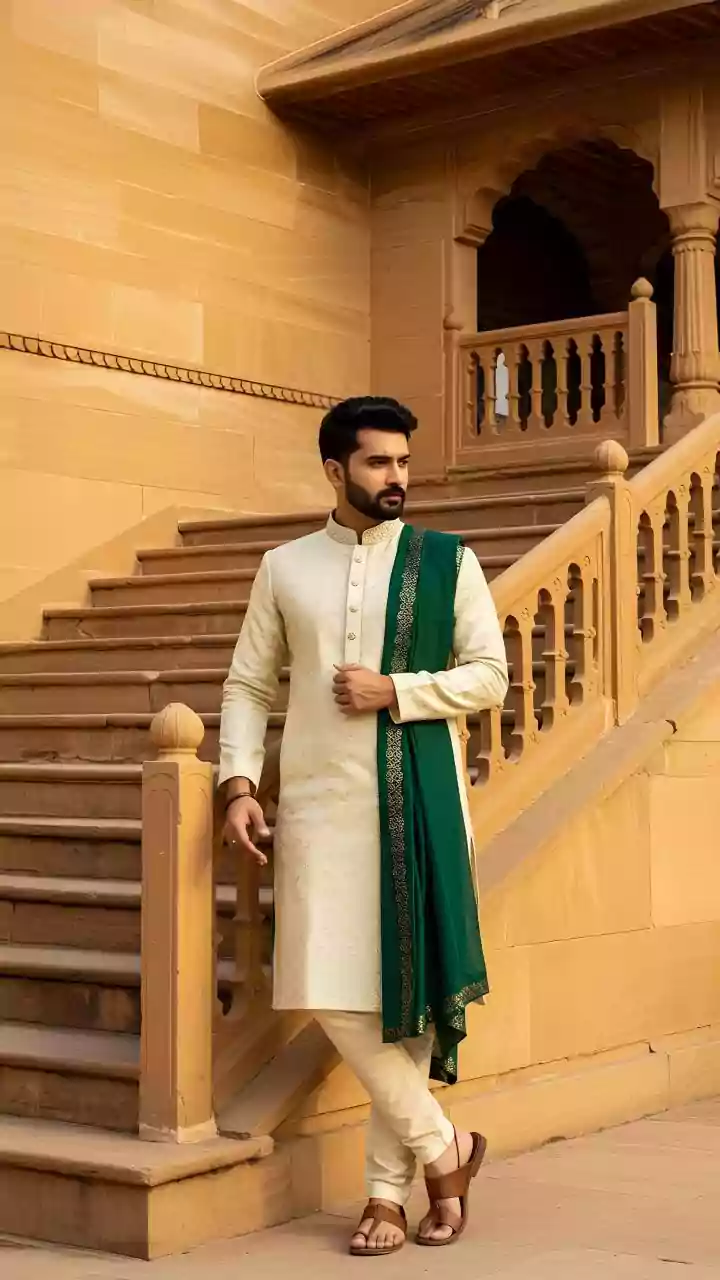
to be re-styled. Think lehenga skirts that can be paired with a crop top for a friend’s sangeet or a crisp white shirt for a festive dinner. Anarkali jackets are layered over jeans, and elegant saris are draped in contemporary ways that allow them to be worn at a formal gala or a casual puja. Designers are responding with collections featuring separates, lighter fabrics, and timeless silhouettes that don't scream 'bride' or 'wedding guest', but rather 'effortlessly chic'. This isn't about compromising on grandeur; it's about investing in pieces that can be celebrated time and time again.
The Economics of Celebration
Let’s talk numbers. With the cost of living on the rise, many young, financially-savvy Indians are questioning the logic of spending a significant portion of their income on an outfit worn for just a few hours. The pressure to have a unique look for every function—haldi, mehendi, sangeet, wedding, reception—is immense, but so is the desire for financial prudence. A versatile outfit is a smart investment. It justifies its price tag by offering a lower 'cost per wear'. Instead of five different, elaborate ensembles, a clever mix of a few high-quality, re-wearable pieces can create multiple unique looks. This practical approach allows for a larger budget for other priorities, whether it's travel, a down payment on a home, or simply a more elaborate honeymoon.
Sustainability as a Style Statement
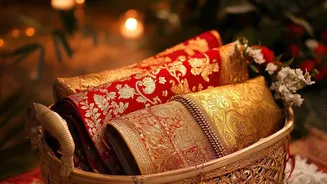
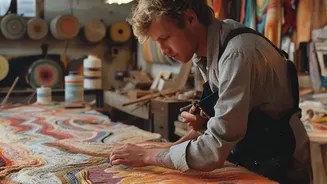
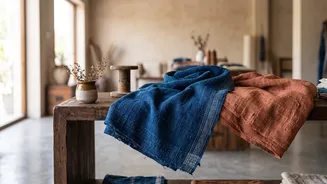
The conversation around sustainable fashion has finally reached the wedding closet. Gen Z and millennials are acutely aware of the environmental impact of the textile industry, particularly the 'use and throw' culture. A traditional wedding lehenga, often made with synthetic fabrics and non-biodegradable embellishments, represents the pinnacle of this wasteful model. By opting for versatile pieces, younger consumers are making a conscious choice to reduce their carbon footprint. They are championing outfits made from organic textiles, supporting labels that practice ethical production, and most importantly, extending the life of their garments. Wearing an outfit multiple times is no longer a fashion faux pas; it’s a badge of honour, a sign that you are a conscious consumer.
Personal Style Over Prescribed Norms
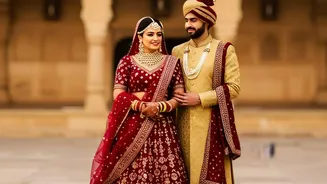
For today’s youth, clothing is a powerful form of self-expression. While they respect tradition, they are less willing to be dictated by rigid cultural norms that prescribe what a bride or wedding guest 'should' wear. They want their outfits to reflect their personality. A heavily embellished, traditional red lehenga might not feel authentic to a minimalist bride who lives in clean lines and neutral tones. A versatile outfit offers the freedom to experiment and stay true to one's personal style. It can be accessorised differently, layered creatively, and integrated seamlessly into an existing wardrobe. This move towards versatility is part of a larger cultural shift towards individualism, where personal comfort and style take precedence over conforming to expectations.