



A Deliberate Proximity
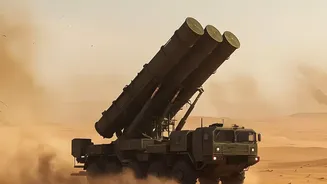
Recent analysis, based on comparing maps of airstrikes on suspected missile facilities with Iran's vast network of dams, has revealed a troubling geographic pattern. Researchers have noted a significant overlap, leading to the hypothesis that this proximity
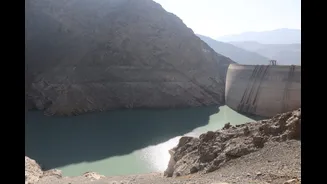
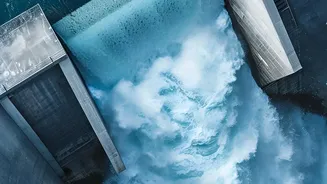
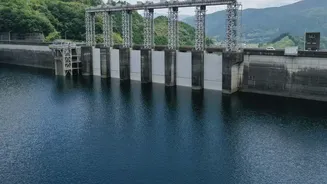
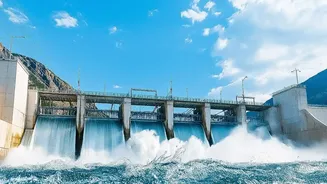
is not coincidental. Iran has built over 500 dams, and experts have long been puzzled by the construction of some in remote areas with questionable economic benefit. The theory now gaining traction is that some of these water projects may have been developed, at least in part, to support a network of underground military bases, often referred to as 'missile cities'. These sprawling subterranean complexes require steady sources of power and water to maintain operational readiness, and a hydroelectric dam is a perfect provider for both.
Deterrence or Human Shield?
The strategic logic behind this placement is multifaceted. From one perspective, it's a practical decision. Large underground military sites need reliable, independent power and water to ensure what analysts call 'operational continuity' in a conflict. Mountainous terrain is ideal for both building large dams and digging deep, hardened tunnels to protect military assets from surveillance and attack. However, there is a more cynical interpretation: that Iran is deliberately using its dams as shields. Placing a legitimate military target next to a structure whose destruction would cause catastrophic civilian harm creates a powerful deterrent. Any potential adversary must weigh the military gain of a strike against the devastating humanitarian and political fallout of a dam breach. This strategy effectively turns civilian infrastructure into a defensive asset, complicating enemy calculations.
A Cascade of Catastrophe
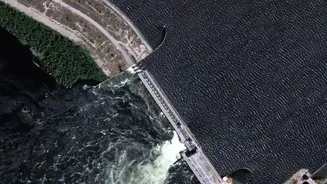
The consequences of a successful strike on a missile facility that leads to a dam's collapse are difficult to overstate. The recent breach of the Kakhovka dam in Ukraine, though different in context, provides a grim preview. A sudden release of a reservoir's water would cause catastrophic downstream flooding, capable of wiping out towns and villages, destroying agricultural land, and causing immense loss of life. The immediate humanitarian crisis would be compounded by long-term effects. The loss of a major dam would cripple electricity generation, disrupt drinking water supplies, and devastate regional economies. Furthermore, floodwaters could disperse industrial pollutants, munitions, and even radioactive materials trapped in reservoir sediment, creating a lasting environmental disaster.
Navigating the Laws of War
This situation creates a legal and ethical minefield. International humanitarian law, specifically Protocol I of the Geneva Conventions, offers special protection to 'installations containing dangerous forces' like dams. Attacks on them are prohibited, even if they are military objectives, if such an attack could release these forces and cause severe losses among the civilian population. However, this protection is not absolute. It can cease if the installation is used in 'regular, significant, and direct support of military operations' and attacking it is the 'only feasible way' to terminate that support. This gray area puts the onus on the attacker to justify a strike, but it also highlights the challenge posed by a defender who deliberately co-locates military and civilian sites.
The Challenge for Coverage
For journalists, analysts, and news organizations, this strategic proximity creates immense challenges. Reporting on a suspected missile site near a dam is a delicate act. Highlighting the military target could be perceived as legitimizing a strike with potentially catastrophic collateral damage. Conversely, focusing only on the humanitarian risk could mean ignoring a genuine military threat. During a conflict, verifying information becomes nearly impossible. State actors would push competing narratives, and claims of precision strikes versus reckless endangerment would be difficult to independently confirm. The 'fog of war' thickens considerably when the targets themselves are designed to create a narrative dilemma, making it harder than ever for the public to understand the true nature and consequences of the conflict.